
I. Authoritative definition, strategic core, and three cornerstones of methods to improve website SEO ranking
1. Authoritative definitions and professional elements of ranking improvement methods
**Methods to improve website SEO ranking** are a set of systematic strategies designed to improve a website's search engine ranking for target keywords by **meeting the ranking factors required by search engine algorithms (such as Google)**. Key elements include: **technical SEO optimization, high-quality content creation, authoritative link acquisition, and user experience (UX) and content-driven view (CWV) optimization**.
2. Three irreplaceable strategic cornerstones for modern ranking improvement
Modern SEO is no longer a single technique, but a three-pronged approach:
- **EEAT Authority (Content Quality):** Ensure your content demonstrates **experience, professionalism, authority, and trustworthiness**. This is the underlying standard Google uses to determine high-value websites and directly impacts rankings in the YMYL (Your Money Your Life) category.
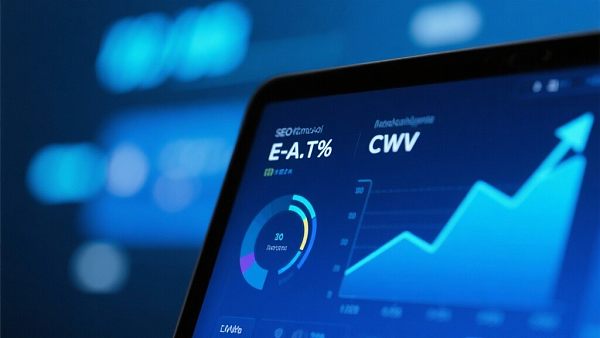
- **Core Web Vitals (CWV) (Technical Foundation):** A website's **loading speed, interactivity, and visual stability** are core page experience signals for Google, and meeting these standards is the ticket to achieving good rankings.
- **User Intent Matching (Key to Conversion):** Content must precisely match the user's search intent (information, navigation, transaction). This is key to **low bounce rate and high dwell time**, thus proving to Google that your website is the best choice for users.
3. The Development History and Trends of SEO Ranking Improvement Methods
Early stage (2000s): Ranking relied on **keyword stuffing and purchasing a large number of low-quality backlinks**. Mid-stage (2010s): Google introduced the **Panda/Penguin Algorithm**, emphasizing **content quality and backlink relevance**. Modern stage (2020s to present): The trend is **"user-centric and AI-driven"**. Emphasis is placed on **EEAT, CWV, Topic Clusters, and AI-assisted semantic optimization**, shifting ranking competition towards **comprehensive strength and user experience**.
II. Five Core Techniques for Improving Website SEO Ranking: Principles: Architecture, Content, and Links
The underlying technical logic and methods for ensuring a website's long-term, stable, and high ranking:
1. Topic Cluster Content Cluster Architecture Principles
Principle: By using **internal linking and deep topic coverage**, you demonstrate to search engines that you are an authority on a specific topic. Practice: Create a large amount of related **cluster content** around a **core pillar content**, and connect them with internal links to achieve **centralized power**, thereby improving the ranking of the entire topic.
2. PageRank Backlink Value Assessment Principles and Modern Applications
Principle: PageRank measures the **quantity and quality** of links. Practice: Modern backlink strategies no longer prioritize quantity, but rather emphasize the **authority, topic relevance, and naturalness of links**. Methods include: obtaining media coverage from authoritative industry sources, analyzing competitor backlink gaps, and creating high-value, shareable content to attract organic links.
3. Core Web Vitals (CWV) Optimization Principles
Principle: Optimize website code and server configuration to improve page experience. Practice:
- **LCP (Maximum Content Rendering):** Optimize server response time (TTFB), use CDN, and optimize images.
- **FID/INP (First Input Delay/Interaction):** Optimizes JavaScript execution and reduces main thread blocking.
- **CLS (Cumulative Layout Offset):** Reserves space for images and advertisements to prevent content from jumping around.
4. Crawl Budget Optimization Principles
Principle: Google allocates limited crawling resources to each website. Practice: By **optimizing website structure, fixing 4xx/5xx errors, and using robots.txt and the noindex tag appropriately**, ensure that the crawler uses its valuable resources to crawl the **most valuable and ranking-critical pages**.
5. User Intent Matching and RankBrain Signal Principles
Principle: Google uses AI systems like RankBrain to analyze **user interaction with search results**. Practice: Content must **deeply satisfy the user's search intent** and guide users to **stay on the page longer and click multiple times** (such as reading related articles or watching videos). These positive signals are fed back to Google, improving rankings.
III. Four Core Techniques and Applications for Improving Website SEO Ranking
1. Technical Features: Advanced Applications of Structured Data (Schema Markup)
Features: Schema Markup helps search engines **better understand page content**. Applications: By deploying advanced structured data such as **products, reviews, FAQs, How-Tos** on a website, **Rich Snippets** can be obtained in search results, significantly improving the page's **click-through rate (CTR)**, thereby indirectly improving ranking.
2. Application Practice: Content Gap Analysis and Content Upgrading
Application: Use tools to analyze which content entities or subtopics on competitor websites cover the target keywords that your website doesn't. Methods include: comprehensively upgrading existing content, supplementing missing subtopics, and ensuring content depth surpasses all competitors.
3. Application Practice: Creating an authoritative demonstration area for EEAT signals
Application: Specifically optimizes the presentation of a website's **"About Us" page, author biographies, company qualifications, client case studies, and industry certifications**. It **cites professional authors/experts** within the content and clearly displays **company honors and trustworthy signals** at the bottom of the page to enhance Google's recognition of the website's authority.
4. Application Practice: Mobile-First Indexing and Responsive Design Optimization
Application: Google now uses a **mobile-first indexing** approach. All ranking methods must be based on the **mobile experience**. Technical features include: ensuring fast mobile loading speeds, high mobile readability, appropriate clickable element sizes, and avoiding intrusive pop-ups.
IV. Comparative Analysis of Strategic Approaches vs. Tactical Skills and Industry Scenarios
1. Comparative Analysis of Strategic Approaches vs. Tactical Skills
2. Typical industry scenarios for ranking improvement methods
A systematic approach to improving rankings is crucial for the following foreign trade industries:
- **For YMYL industries (such as finance, healthcare, and law):** **EEAT authority** must be the primary method for improving rankings.
- **B2B Industrial Products/Machinery Equipment:** Requires a large number of **Topic Clusters and specialized technical content** to acquire high-value industry traffic.
- **Highly competitive DTC consumer brands:** Must optimize their websites via **CWV** to ensure faster loading times than competitors and gain a competitive edge in user experience.
3. Standard Certification and Professional Specifications for SEO Ranking Improvement Services
Criteria for evaluating high-quality SEO service providers:
- **Data-driven capabilities:** Provides detailed keyword, backlink, and CWV diagnostic reports, and develops optimization strategies based on the data.
- **EEAT Certification:** Demonstrates successful case studies of enhancing client website authority through **content strategy and link building**.
- **Transparency and Compliance:** We are committed to **not using black hat/grey hat techniques**, and our optimization methods fully comply with Google's official guidelines.
V. Take Immediate Action: Use scientific methodologies to embark on your path to top SEO rankings!
Is your website lacking a **systematic ranking improvement method**? Are you struggling with a traffic bottleneck? Sign up now for a **free "Website SEO Ranking Gap Analysis"**, where we will **diagnose your CWV deficiencies, analyze your EEAT gap, and develop a targeted Topic Cluster strategy**!
Click to get a free ranking improvement planFAQ
1. Among the methods to improve SEO ranking, which is more important: technical SEO or content SEO?
Answer: Both are equally important, but there is a specific order to their importance. **Technical SEO (such as meeting CWV standards and website crawlability)** is the **foundation and entry ticket**; solving technical issues ensures Google's crawling and indexing. **Content SEO (EEAT, user intent matching)** is the **core driver**, determining your website's long-term ranking.
2. How long does it take to see significant results from improving a website's SEO ranking?
Answer: This depends on the website's current state and the level of competition. **Technical fixes** typically show results within **1-2 months** (improved CWV score). The full effects of **content and link strategies** usually take **4-9 months**, especially in highly competitive industries where continuous optimization is crucial.
3. How does EEAT affect the ranking of independent B2B e-commerce websites?
Answer: For B2B, EEAT is especially important. It requires that website content **must be written by industry experts, demonstrate clear engineering details, and cite reliable industry data**. A high EEAT can increase Google's **trust in your company and products**, helping you achieve leading rankings for professional inquiry keywords.
4. How to determine which backlinks are high-quality and can improve rankings?
Answer: High-quality backlinks have three characteristics: **high authority (from well-known industry media, associations, universities, etc.)**, **high relevance (the linked page matches the theme of your content)**, and **naturalness (the link is a natural recommendation, not a paid purchase)**. Focus on acquiring backlinks that demonstrate your **brand professionalism**.

Customer Reviews
General Manager Zhang, Smart Equipment Manufacturer
"We were previously stuck on the second page of search results. After implementing their **Topic Cluster Content Strategy**, our website's **core keywords all reached Google's first page within 5 months**. More importantly, the traffic quality significantly improved, **inquiry conversion rate increased by 35%**, demonstrating the tremendous power of E-E-A-T and user intent alignment!"
Manager Wang, Cross-border Home Furnishings E-commerce
"The technical team solved our website's **CWV issues**, **reducing LCP from 3.5s to 1.8s**. After the speed improvement, **both rankings and Google Ads quality scores rose simultaneously**, while bounce rates decreased. This proves that SEO ranking improvements must start from the **technical foundation** to achieve sustainable results!"
 Enhance the website SEO optimization ranking of the methods of operation staff must learn the seven major strategiesWant to quickly improve website ranking and conversion? This article summarizes the methods to improve website SEO optimization ranking, combined with intelligent website detection SEO optimization services, website loading speed optimization services and multi-language SEO optimization services for independent station SEO to provide technology, content and traffic three major landing strategy. And detailed SEM optimization skills, social media marketing strategy and foreign trade marketing program customization, and at the same time give the smart website construction price reference, help operators to reduce the cost of customer acquisition, improve website SEO optimization effect method and achieve scale growth. Click to get free technical diagnosis and customized solutions.
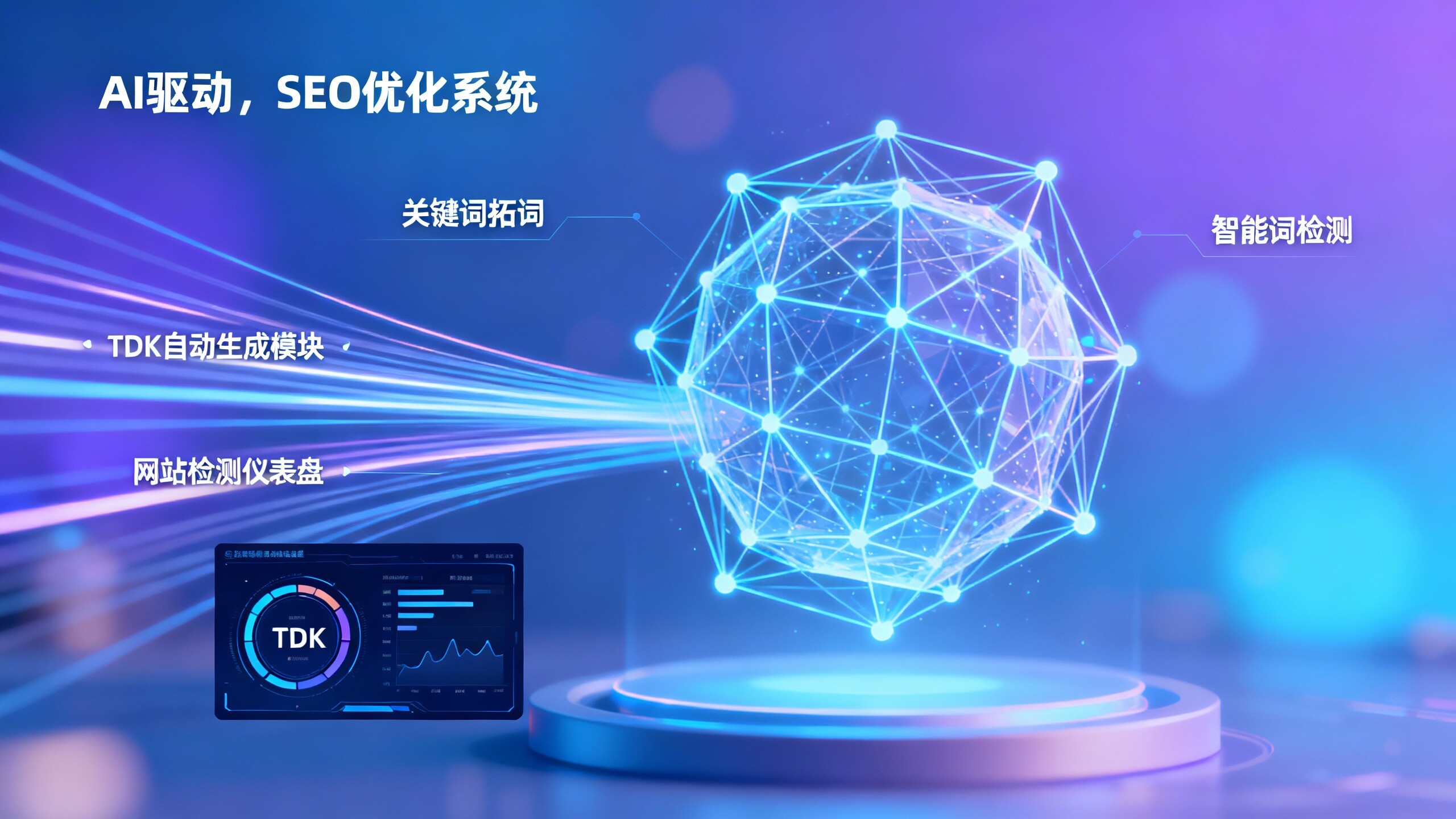
 AI+SEO Dual Engine Optimization System: Triple Your Foreign Trade Website's Natural TrafficAI+SEO Dual Engine Optimization System integrates AI keyword expansion, automatic TDK generation, intelligent website detection and other technologies to help build foreign trade independent websites, enhance SEO optimization effectiveness and rankings, achieve natural traffic tripling, and provide localized SEO optimization software services in Guangdong.
 Can TDK's auto-generated SEO optimization service really save 80% of time? Real-world test results revealed.How does TDK's automated SEO optimization service improve the efficiency of building independent foreign trade websites? This article unveils the AI+SEO dual-engine system, combining AI keyword research, intelligent website detection, and social media automation to significantly improve website SEO optimization, helping Guangdong enterprises achieve a leap in global rankings.
 Are your methods for improving website SEO optimization rankings ineffective? You might not be using the right tools.Are your methods for improving website SEO optimization rankings ineffective? Try EasyShop AI+SEO dual-engine system, integrating AI keyword expansion, automated TDK generation, intelligent detection tools, and more to help foreign trade independent websites with construction and global traffic growth, significantly enhancing website SEO optimization effectiveness.
 How to Break Through the Traffic Loop with Automated Social Media SEO Optimization Services? Case Study BreakdownHow to Break Through the Traffic Loop with Automated Social Media SEO Optimization Services? Combining AI+SEO Dual-Engine Optimization Systems to Enhance Efficiency in Building Foreign Trade Independent Websites, Utilizing AI Keyword Expansion, Automated TDK Generation, Intelligent Website Detection, and Other Technologies to Comprehensively Improve Website SEO Optimization Effectiveness, Helping Businesses Achieve Global Growth.
 Still manually optimizing SEO? AI advertising intelligent SEO optimization service makes rankings soarAI advertising intelligent SEO optimization service leads the new trend in foreign trade independent website construction, integrating AI keyword expansion, automatic TDK generation, and intelligent website detection to enhance website SEO optimization effects. EasyCampaign AI+SEO dual-engine system helps global rankings soar, efficiently reducing costs, experience the intelligent marketing transformation with one click!
 AI Keyword SEO Optimization Services vs Traditional Keyword Expansion: How Many Times More Efficient?AI Keyword SEO Optimization Services combine AI+SEO dual-engine optimization systems to significantly improve the efficiency of building foreign trade independent websites. Compared to traditional methods, keyword coverage and generation efficiency increase by 40 times, making website SEO optimization methods smarter and more effective.
 Is it difficult to build an independent foreign trade website? Get online in 3 quick steps and increase conversion rates by 50%!Is it difficult to build an independent foreign trade website? EasyStore AI+SEO dual-engine optimization system integrates AI keyword expansion, automatic TDK generation, intelligent website detection, and other services to improve website SEO ranking. Get online in 3 quick steps and boost conversion rates by 50%!