
I. Authoritative Definition, Core Strategy, and Local Advantages of Multilingual Website Construction in Dalian
1. Authoritative definition and professional elements of multilingual website construction in Dalian.
**Dalian Multilingual Website Construction** refers to the development of multilingual, multi-regional marketing websites tailored for local foreign trade, service, and high-tech enterprises, with **Dalian Port and International Service Trade** as the core support. It emphasizes that the website must possess **superior technical performance and strict SEO compliance**, especially in **deep penetration** in the localization and SEO optimization of less common languages such as Japanese and Korean. Professional elements include: **Hreflang tag configuration, deep integration with multilingual CMS, adaptation to target market search engines (such as Naver and Google Japan), and Core Web Vitals performance optimization**.
2. Three Irreplaceable Strategic Values of Multilingual Website Construction in Dalian
Leveraging Dalian's unique geographical location and industrial advantages, multilingual websites have become a core competitive advantage.
- **Precisely Targeting Core Northeast Asian Markets:** Dalian boasts a significant geographical advantage and frequent trade with Japan and South Korea. The focus of multilingual website development should be on **high-quality localized Japanese and Korean content and SEO optimization**, directly **capturing precise inquiries from these high-value markets**.
- **Building Professional Trust in International Service Trade:** Dalian boasts a strong international service sector, including software outsourcing, financial services, and shipping and logistics. Multilingual websites are the best window for these companies to showcase their professional capabilities, compliance, and EEAT authority.
- **Overcome language barriers and improve conversion rates:** For non-native English speakers (such as Japanese and Korean customers), we provide a **native-speaker level website experience with accurate professional terminology**, which can **significantly reduce customer communication costs and bounce rate**, and **directly improve inquiry and order conversion**.
3. The Development History and Trends of Multilingual Website Construction in Dalian
Early Stage (2000s): Dalian's foreign trade relied on **traditional trade and exhibitions**, resulting in websites with simple functions. Mid-Stage (2010s): **Software outsourcing to Japan drove demand for multilingual websites**, but these were mostly simple translations. Modern Stage (2020s to Present): The trend is towards **high-tech integration, deep localization, and global SEO strategy**. Multilingual website development in Dalian is shifting towards **headless architecture, AI-assisted translation, and deep algorithm adaptation to Naver/Google JP**, becoming a core element of **enterprise global digital strategies**.
II. Five Core Technologies and Principles for Multilingual Website Construction in Dalian: Hreflang, CMS, and Japanese/Korean Optimization
The underlying technical logic that ensures Dalian's multilingual website achieves precise traffic acquisition and high conversion rates globally:
1. The technical compatibility principle between Google Hreflang and Naver/Baidu
Principle: Hreflang is primarily designed for Google, but multilingual websites need to consider the **local search engines of the target market (such as Naver in South Korea and Baidu in China)**. Practice: While deploying Hreflang, it's necessary to **localize the sitemap and URL structure for markets like Japan and South Korea** to ensure that **website content can be efficiently crawled and indexed by mainstream local search engines**.
2. The principles of deep customization of multilingual content management systems (CMS)
Principle: To achieve secure and efficient management and display of **non-Latin character sets (such as Japanese, Korean, and Chinese characters)**. Practice: Employing the **UTF-8 encoding standard** and selecting a CMS (such as Drupal/customized WP) that **goodly supports complex character sets**, ensuring that **multilingual content is stored independently at the database level without interference**, and enabling **rapid synchronous updates**.
3. Principles of Keyword Rewriting for Japanese and Korean Localized SEO
Principle: Keyword search habits, context, and popularity in Japanese and Korean differ significantly from those in English. Practice: Multilingual content must undergo localized keyword research and content rewriting by SEO experts specializing in the target language to avoid machine translation and ensure that titles, descriptions, URLs, and content capture high-value, precise long-tail traffic from markets like Japan and Korea.
4. Principles of International Cloud Server and CDN Regional Acceleration Deployment
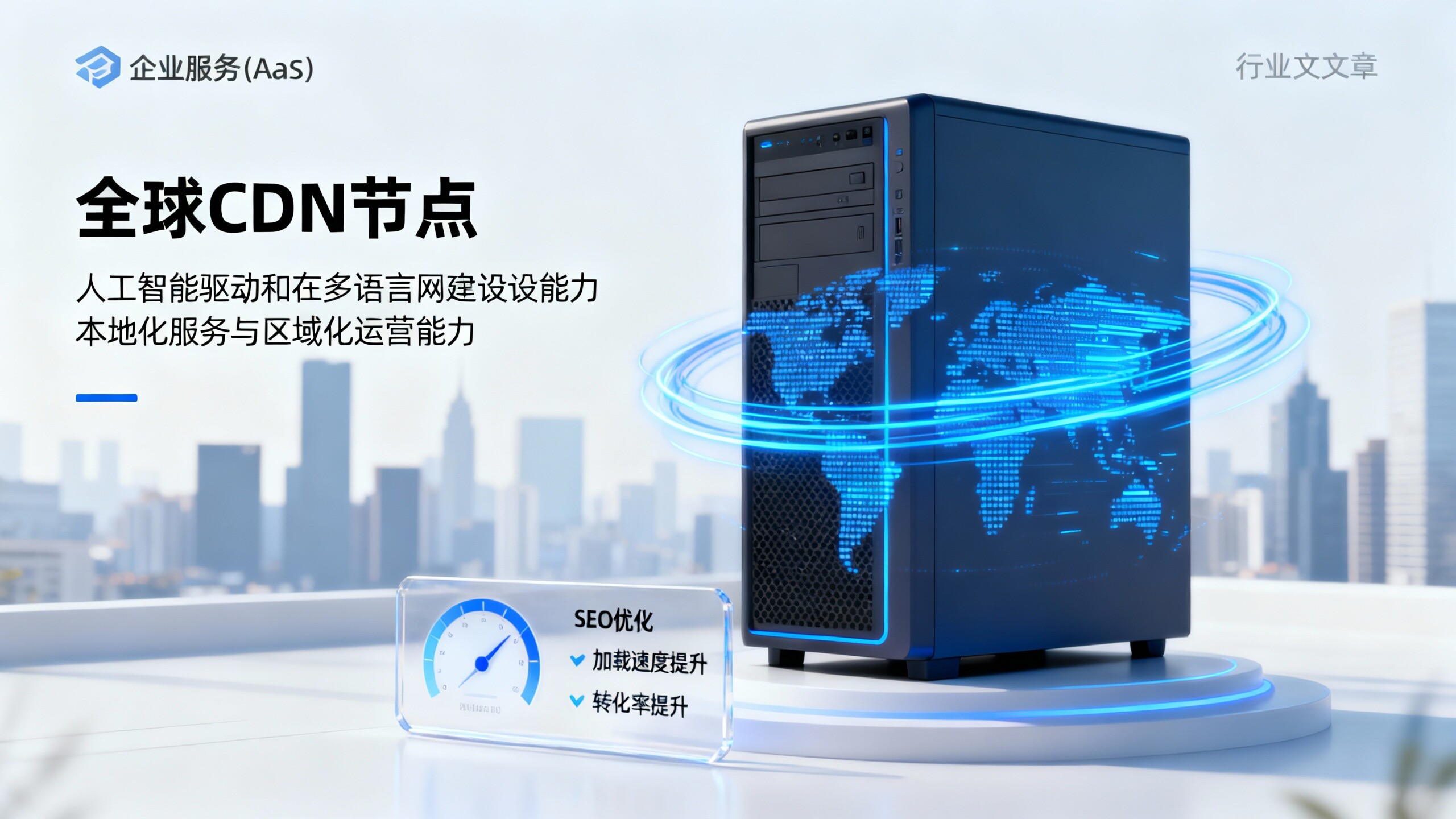
Principle: Ensure the website has **extremely fast access speeds** in target markets (such as Tokyo and Seoul). Practice: The website should be deployed on an **international cloud hosting node close to Japan and South Korea**, and configured with **CDN**. Simultaneously, **Core Web Vitals optimization** should be performed to ensure that the website's **LCP, FID, and CLS** performance metrics meet standards in the Japanese and South Korean markets, **improving user experience and SEO ranking**.
5. Integration Principles of Financial Payment and Multi-Currency Display Systems
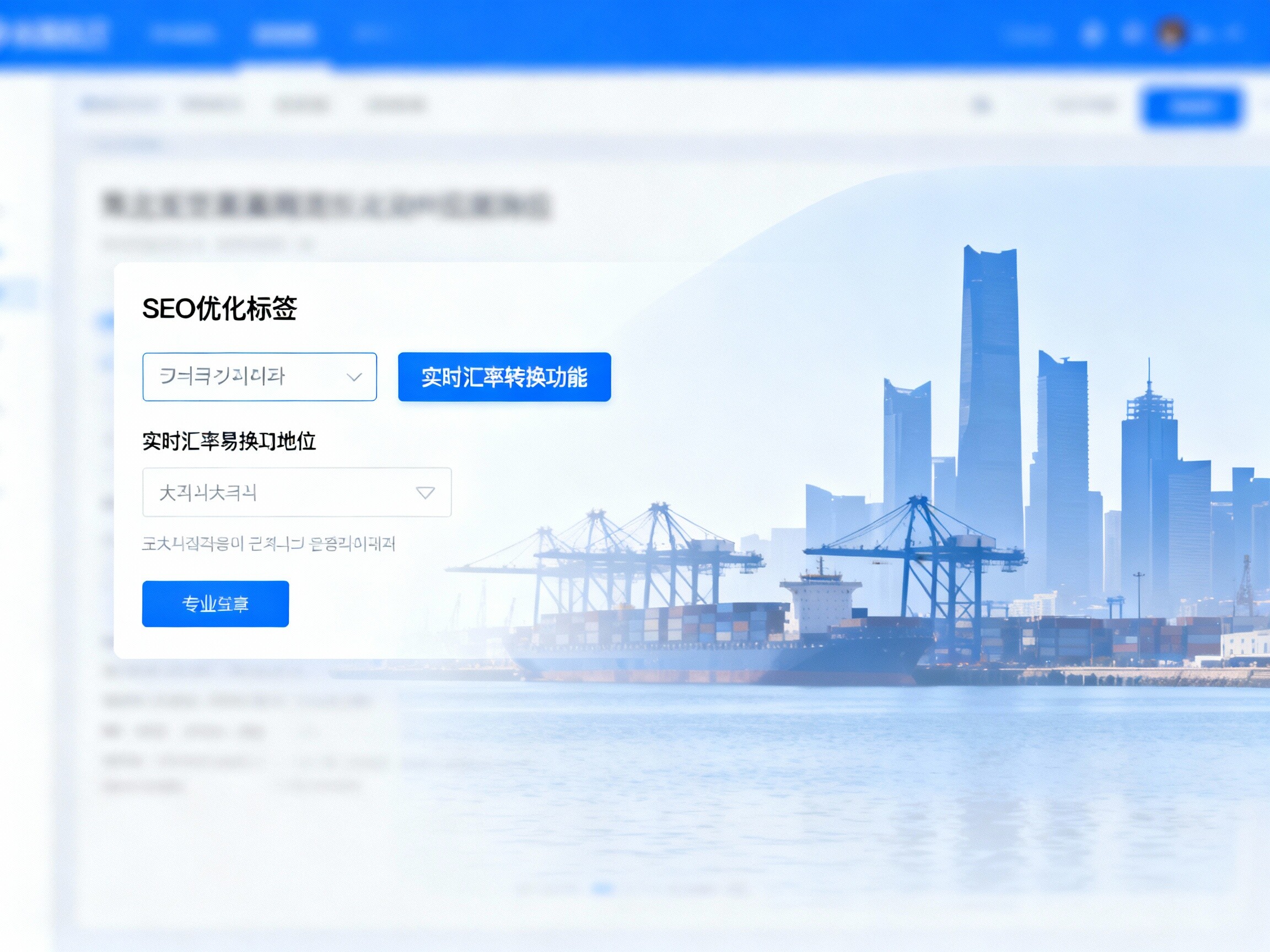
Principle: To improve transaction convenience for international customers. Practice: Multilingual websites need to integrate **mainstream international payment channels** and provide **real-time exchange rate displays and switching functions for multiple currencies (such as Japanese Yen and Korean Won)**, **reducing customer price estimation barriers** and accelerating decision-making.
III. Four Core Technological Features and Applications of Multilingual Website Construction in Dalian
1. Technical Features: Cross-character set UX/UI adaptive design
Characteristics: Japanese and Korean typography, fonts, and information density differ from Latin-based languages. Application: Website design needs to consider the **compactness of Korean and the typographical habits of Japanese kanji/kana**, requiring **professional font loading and layout optimization**. Simultaneously, the website's **inquiry form** must support **Japanese and Korean input and character sets** to ensure data entry is free of garbled characters.
2. Application Practice: Building Authority in Northeast Asian Supply Chains and Technical Services
Application: Utilize a multilingual website to **deeply showcase Dalian's advantages and certifications in software outsourcing, high-end manufacturing, and port logistics**. The Japanese and Korean versions will emphasize **international quality certifications such as TÜV and ISO, customer service processes, and offices or partner networks in Dalian**, **building EEAT trust**.
3. Application Practice: Integration of Multilingual FAQs with Intelligent Customer Service
Application: The website needs to deploy a **multilingual FAQ module** and an **intelligent customer service system**. Utilizing an **AI chatbot**, it will provide 24/7 instant answers to **common Japanese and Korean questions**, and can **seamlessly transfer the responses to native-speaker sales personnel in Dalian**, **improving response speed and professionalism**.
4. Application Practice: Continuous Update Strategy for Multilingual Content Assets
Applications: Develop a **multilingual content calendar** to regularly publish **localized news, industry trends, and technology updates for the target market**. Especially for the Japanese and Korean markets, content must **conform to local business etiquette and information dissemination habits** to **continuously attract targeted traffic**.
IV. Multilingual Website Construction in Dalian vs. Other Models: Core Comparison and Industry Scenarios

1. A core comparison of Dalian's professional multilingual website versus other models.
2. Typical Industry Scenarios for Multilingual Website Development in Dalian
Leveraging Dalian's industrial advantages, the following sectors are experiencing strong demand for multilingual websites:
- **Software and Information Technology Services:** For the Japanese and Korean outsourcing market, there is a need for a **professional, highly secure, and highly authoritative Japanese and Korean language technology showcase website**.
- **Port Logistics/Shipping Services:** For international trade in Northeast Asia, a website is needed that provides **real-time tracking in multiple languages, customs information, and port service introductions**.
- **Machinery Manufacturing/Aquatic Product Processing Export:** Targeting Japanese and Korean buyers, this website requires **precise product specifications, quality certifications, and localized procurement processes**.
3. Standards, Certifications, and Professional Specifications for Multilingual Website Development Services in Dalian
Criteria for selecting a professional service provider:
- **Technical Certifications:** Possess successful Hreflang deployment experience and international cloud platform (such as AWS/GCP) deployment experience, and be familiar with non-Latin character set encoding.
- **Language Qualifications:** We have a team of native-speaker Japanese and Korean translators and localized SEO copywriters, not just freelance translators.
- **Marketing Capabilities:** Able to provide **SEO optimization strategies for local search engines such as Google Japan and Naver**.
- **Compliance Assurance:** Ensure that the website's **privacy policy and data processing comply with international regulations such as GDPR**.
V. Take immediate action and customize your Dalian Northeast Asia multilingual marketing website!
Can your multilingual website accurately capture inquiries from high-value markets like Japan and South Korea? Does it possess top-tier international Hreflang SEO performance? Schedule a free "Dalian Multilingual Website Development Strategy Consultation and Japanese/Korean SEO Assessment" now! We will develop the most efficient and globally-oriented digital marketing solution perfectly suited to Dalian's Northeast Asian trade ecosystem!
Click to get a free multilingual website building solutionFAQ
1. How can a multilingual website in Dalian simultaneously support Google SEO and local Japanese and Korean search engines (Naver/Google JP)?
Answer: For Google, we implemented **Hreflang specification deployment and Core Web Vitals optimization**; for Naver/Google JP, we performed **localized keyword rewriting, content structure adjustments, and adherence to the local search engine's indexing rules**, achieving comprehensive coverage.
2. How can we ensure the accuracy of translations of technical terms on multilingual Japanese and Korean websites?
Answer: We employ a proofreading mechanism combining industry experts and native speakers, and have established a company-specific Japanese and Korean terminology database. All technical, legal, or product-related professional content undergoes a second review by native-speaker translators with relevant industry backgrounds to ensure professionalism and reliability.
3. How should multilingual website development address the privacy and data security requirements of clients in Dalian's outsourcing business to Japan?
Answer: The website is hosted on a **highly secure international standard** server and implements **WAF and SSL encryption**. Furthermore, the website's **privacy policy and data collection processes** undergo **compliance review**, particularly regarding data from Japanese and Korean customers, to ensure **compliance with local data protection regulations**.
4. Why is the conversion rate of inquiries higher for multilingual websites compared to monolingual websites?
Answer: The key lies in **trust and barrier-free communication**. Users can browse product information and submit inquiries in their native language, **significantly reducing cognitive and psychological barriers**. A professional native-language website establishes a **strong sense of local familiarity**, directly translating into higher inquiry intent and conversion rates.

Customer Reviews
General Manager Zhao, Dalian Software Outsourcing Service Provider
"We have a high dependency on Japanese and Korean clients. The **Japanese and Korean versions of the new multilingual website rank very stably on Google JP and Naver**. Especially, **the Japanese version's content translation is highly professional**, fully aligned with local business practices, and **both the quality and quantity of inquiries have significantly improved**."
Ms. Sun, Dalian Machinery Equipment Exporter
"Previously, we only used simple plugin translations, and the results were poor. Now, the customized multilingual website **loads quickly, with standardized Hreflang configuration**. Using the Russian and Korean versions of the website, we successfully developed **new clients in Eastern Europe and South Korea**, and the website has truly become **our bridgehead for expanding into the Northeast Asian market**."
 How Foshan multilingual website production company can help you quickly develop overseas marketsChoose Foshan multilingual website production company, with the help of AI and foreign trade independent station global CDN acceleration, rapid completion of multilingual foreign trade independent station construction, realize foreign trade independent station high conversion station. We cover from multilingual website Ningbo company, localized SEO to Wuxi multilingual website construction and multilingual website Dongguan services, taking into account the multilingual website Xiamen development, Dalian multilingual website construction and multilingual website Jinan service providers industry differentiation needs. Through page and checkout optimization, international payment access, AI content and advertising intelligence, significantly improve traffic and conversion. Want to make your independent website an offshore growth engine? Consult with Foshan Multilingual Website Maker today for a customized assessment and pilot program.
 Multilingual website Xiamen development cost and delivery time real referenceWant to know the cost and delivery time of multilingual website development in Xiamen? This article is based on the practice of foreign trade independent station high-conversion station building, to provide the cost composition, basic / medium / large project price range and 6-20 weeks delivery reference, and give foreign trade independent station global CDN acceleration, SEO structure, AI translation and multilingual foreign trade independent station building hands-on optimization recommendations. Whether you are a multilingual website developer in Xiamen, or comparing a multilingual website Ningbo company, a multilingual website build in Wuxi, a multilingual website Dongguan service, a multilingual website construction in Dalian, a multilingual website production company in Foshan, or a multilingual website Jinan service provider, we can provide an end-to-end solution with a free needs diagnosis to help get online quickly and increase conversion, inquire now for a customized quote and timeline.
 How to Find a Reliable Multilingual Website Ningbo Company to Boost Localization ConversionsWant to find reliable multilingual website Ningbo company in Ningbo, really improve the localization conversion rate? We are oriented to foreign trade independent station high-conversion station building, combined with foreign trade independent station global CDN acceleration, AI top words and TDK automatic generation, to provide multi-language foreign trade independent station building, support for hreflang, AMP/MIP, automatic SSL and DDoS protection, covering the Wuxi multi-language website building, multi-language website Dongguan services, multi-language website Xiamen development, Dalian multi-language website construction, Foshan multilingual website production company, multilingual website Jinan service provider and other regionalization capabilities. EYB ten years of AI and big data practice, to help you quickly online, reduce the implementation and operation and maintenance risk, click to learn about customized assessment and demo.
 Ningbo company to do multi-language website, the cost actually save 40%? Truth RevealedWhy Ningbo company can save 40% cost by doing multi-language website? Reveal how Yiyingbao AI website building system can help enterprises in Xiamen, Dalian, Shenyang, Wuxi, Dongguan, Qingdao, Fuzhou, Shijiazhuang, Changchun and other places to go to sea efficiently through AI translation, intelligent SEO and automated operation. Covering multi-language website development, design, construction and localization services, it generates 30+ language sites with one click, reducing costs and increasing efficiency significantly. Click to learn about the AI + SEO dual-engine system optimization services to seize the first opportunity in the global market!
 Dongguan enterprises to do multi-language website services, the conversion rate doubled the secret of theHow to double the conversion rate of Dongguan enterprises through multi-language website? EYB AI intelligent website building system, support multilingual website Dongguan services and Qingdao development, Shenyang design, Ningbo company customization, Wuxi build, Xiamen development, Dalian construction, Fuzhou development, Shijiazhuang design, Changchun company layout, help enterprises efficiently go overseas. Integrate Google Translate and AI topology, generate multi-language independent station with one key, improve SEO ranking and overseas inquiries. Global CDN acceleration, adapted to Europe, America, Southeast Asia, Russia and other markets, reducing the cost of station building by more than 50%. From station building to customer acquisition, create a full link marketing closed loop, click to learn how to quickly build a high-conversion foreign trade website.
 Which is the best multi-language website development in Qingdao? 5 top guidelines to avoid the pitfalls are exposed!Which is the best multilingual website development in Qingdao? EYB AI intelligent website builder covers Shenyang, Ningbo, Wuxi, Dongguan, Xiamen, Dalian, Fuzhou, Shijiazhuang, Changchun, etc., providing one-stop service for designing, building and localization of multi-language websites. It supports real-time translation in 16+ languages, global CDN acceleration, automatic SEO optimization and ICP filing assistance, cracking the technical problems of enterprises going overseas. Compared with traditional website building, the efficiency is increased by 80%, helping manufacturing, cross-border e-commerce, education and other industries to quickly layout the global market. Choose EYBao to realize 'website building is marketing' and seize the first opportunity overseas!
 Wuxi multi-language website construction stepped on the mine countless? These 2 cases must seeWuxi multi-language website building always stepped on the pit? Enterprises in Qingdao and Shenyang had failed to go overseas due to hard translation, poor SEO and slow loading. This article deeply analyzes the real cases of machinery manufacturing and foreign trade transformation, reveals the common problems of Ningbo, Xiamen, and Dalian enterprises in multilingual website development, and shares how AI-driven SaaS solutions can help enterprises in Shijiazhuang, Changchun, Dongguan, and Fuzhou to realize global layout. Covering multilingual website Qingdao development, Shenyang design, Ningbo company construction, Xiamen development, Dalian and Fuzhou landing practice, cracking the bottleneck of localization operation. Click to learn about the multilingual website Dongguan services and Wuxi construction to avoid pitfalls guide, get free SEO diagnosis and industry-specific templates, so that your independent station efficient customer acquisition, low-cost expansion of overseas markets.
 Xiamen develops multilingual websites, why 90% of enterprises choose SaaS solutions?Xiamen development of multi-language website why 90% of enterprises choose SaaS?EYB AI intelligent website building system, support global multi-language rapid deployment, help enterprises to efficiently go to sea. Covering Qingdao, Shenyang, Ningbo, Wuxi, Dongguan, Dalian, Fuzhou, Shijiazhuang, Changchun and other cities, it provides one-stop services for multilingual website design, construction and localized marketing. Integrating AI translation, global CDN acceleration, SEO optimization and Google/Yandex advertising, we reduce O&M costs and increase overseas conversion rate. Click to learn about Russian language industry website building and marketing solutions to start globalization growth!