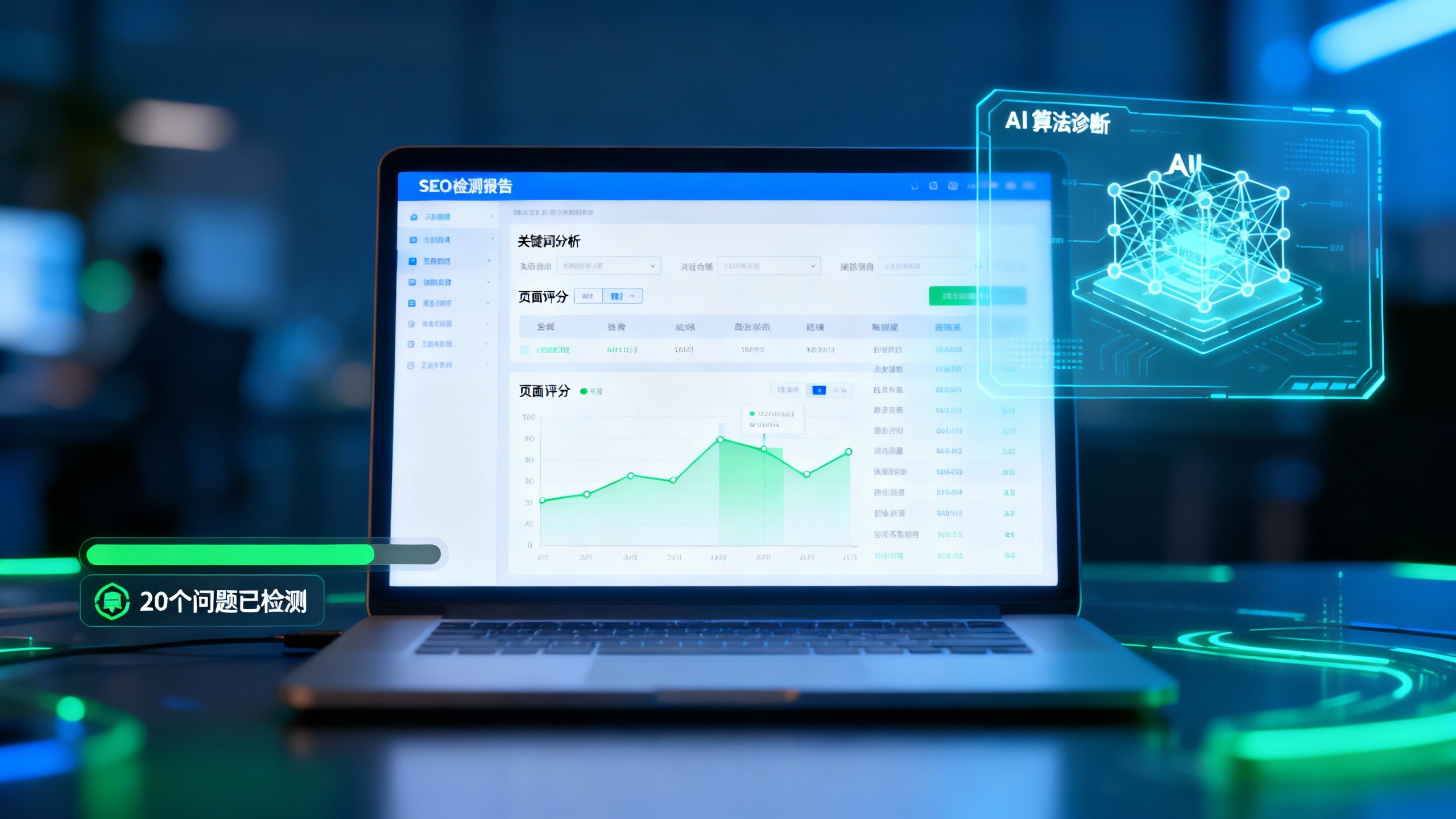
I. The authoritative definition, strategic core, and market pain points of intelligent website detection and SEO optimization services
1. The authoritative definition and professional elements of intelligent website detection and SEO optimization services.
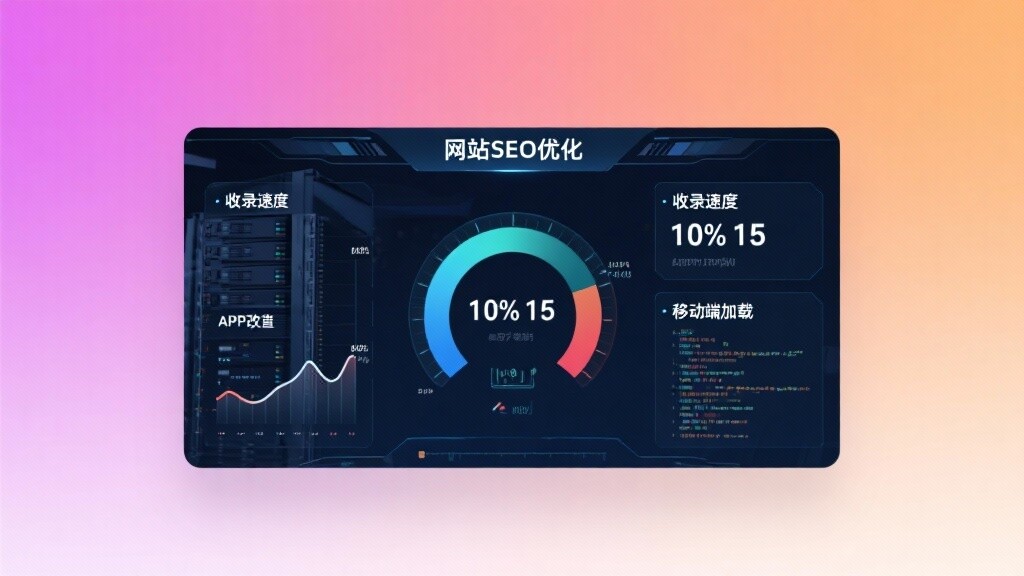
**Intelligent Website SEO Optimization Service** is a service model that integrates **Artificial Intelligence (AI) and Big Data Analytics** into the entire process of **website SEO auditing, diagnosis, and execution**. It leverages AI's **learning, predictive, and automation capabilities** to solve the problems of **inefficiency, fragmented data, and lack of sustainability** in traditional SEO optimization. Key features include: **AI web crawling technology, CWV real-time monitoring algorithms, content semantic relevance analysis, and AI-assisted automation of optimization tasks**.
2. The 3 Irreplaceable Strategic Values of Intelligent SEO Services
AI-powered SEO is the future of foreign trade competition:
- **Achieve real-time CWV optimization to ensure consistently leading Google rankings:** AI can monitor a website's **loading speed and interactivity** in real time, automatically identify performance bottlenecks, and guide the technical team to fix them immediately to meet Google's increasingly stringent CWV requirements.
- **Discover untapped blue ocean keywords and long-tail traffic missed by traditional tools:** Intelligent tools, based on **semantic relevance and user intent models**, can discover a large number of **hidden long-tail keywords and content themes**, maximizing traffic coverage.
- Transforming SEO optimization from "human experience" to "data-driven automation": AI automatically generates optimization suggestions, competitive analysis reports, and performance predictions, greatly reducing repetitive work for SEO personnel and allowing them to focus on strategic decision-making.
3. The Development History and Trends of Intelligent Website Detection and SEO Optimization Services
Early stage (2000s): SEO diagnostics relied primarily on **human experience** and **simple web crawlers**, resulting in extremely low efficiency. Mid-stage (2010s): **SaaS SEO tools** emerged, capable of keyword ranking and basic technical auditing, but lacking in-depth intelligent analysis. Modern stage (2020s to present): The trend is towards **"fully automated, deeply AI-integrated SEO platforms"**. Emphasis is placed on **generative AI content optimization, real-time CWV monitoring and remediation, and predictive models guiding optimization priorities**.
II. Five Core Technologies and Principles of Intelligent Website Detection and SEO Optimization Services: AI Diagnosis, Prediction, and Optimization
The underlying technical logic that supports the efficient operation of intelligent SEO services:
1. AI Crawler and Search Engine Index Simulation Principles
Principle: The intelligent service uses a **customized AI crawler** to simulate the **crawling path and rendering mechanism** of Googlebot and Bingbot. Practice: The crawler can **deeply crawl JavaScript-rendered content** and simulate the **indexing process** of search engines, proactively identifying complex, hard-to-detect technical flaws such as **indexing obstruction, content hiding, or Hreflang deployment errors**.
2. Machine Learning-Driven Real-Time Monitoring and Optimization Algorithm for CWV
Principle: Utilizes machine learning algorithms to **analyze Core Web Vitals data (such as LCP, FID, CLS)**, identifying **code, resource, or server configuration issues** that cause performance degradation. Practice: The service can provide real-time alerts on why **LCP (Maximum Content Render) exceeds 2.5 seconds**, and offers **precise code-level optimization suggestions**, such as configuring lazy loading for images and removing rendering-blocking resources.
3. Semantic Relevance and Principles of EEAT Content Quality Analysis
Principle: The service uses **Natural Language Processing (NLP) technology** to analyze the **deep semantic relevance** of content to target keywords, as well as the content's performance in **Expertise, Authority, and Trustworthiness** (EEAT). Practice: The tool can suggest **supplementing relevant topic entities, strengthening the use of industry terminology, and enhancing credible links to authors and sources**, thereby comprehensively improving content quality.
4. AI-driven competitor strategy modeling principles
Principle: The service can **monitor competitors' SEO strategy changes in real time** (such as newly launched content clusters, technology upgrades, and backlink growth). Practice: The AI model can **predict** competitors' **potential keyword breakthroughs** and suggest that businesses **plan content strategies in advance or implement counter-optimization** to maintain a competitive edge.
5. Optimize the principles of task priority prediction and automation.
Principle: Based on **Return on Investment (ROI) prediction**, the highest priority optimization tasks are determined. Practice: AI analyzes the **potential traffic and conversion rate growth** that fixing a technical bug (such as a 404 error) or optimizing a page will bring, and automatically prioritizes all optimization tasks according to **high, medium, and low priorities** based on the predicted values.
III. Four Core Technical Features and Applications of Intelligent Website Detection and SEO Optimization Services
1. Technical Features: AI-powered automatic proofreading deployed in multiple languages (Hreflang).
Features: Hreflang errors are a common technical challenge for multilingual e-commerce websites. Application: The intelligent service can **automatically traverse all Hreflang links** and perform real-time checks on **two-way referencing, language/region code standardization, and target URL validity**, significantly reducing the loss of multilingual SEO ranking caused by human error.
2. Application Practice: Automated Long-Tail Keyword Opportunity Mining
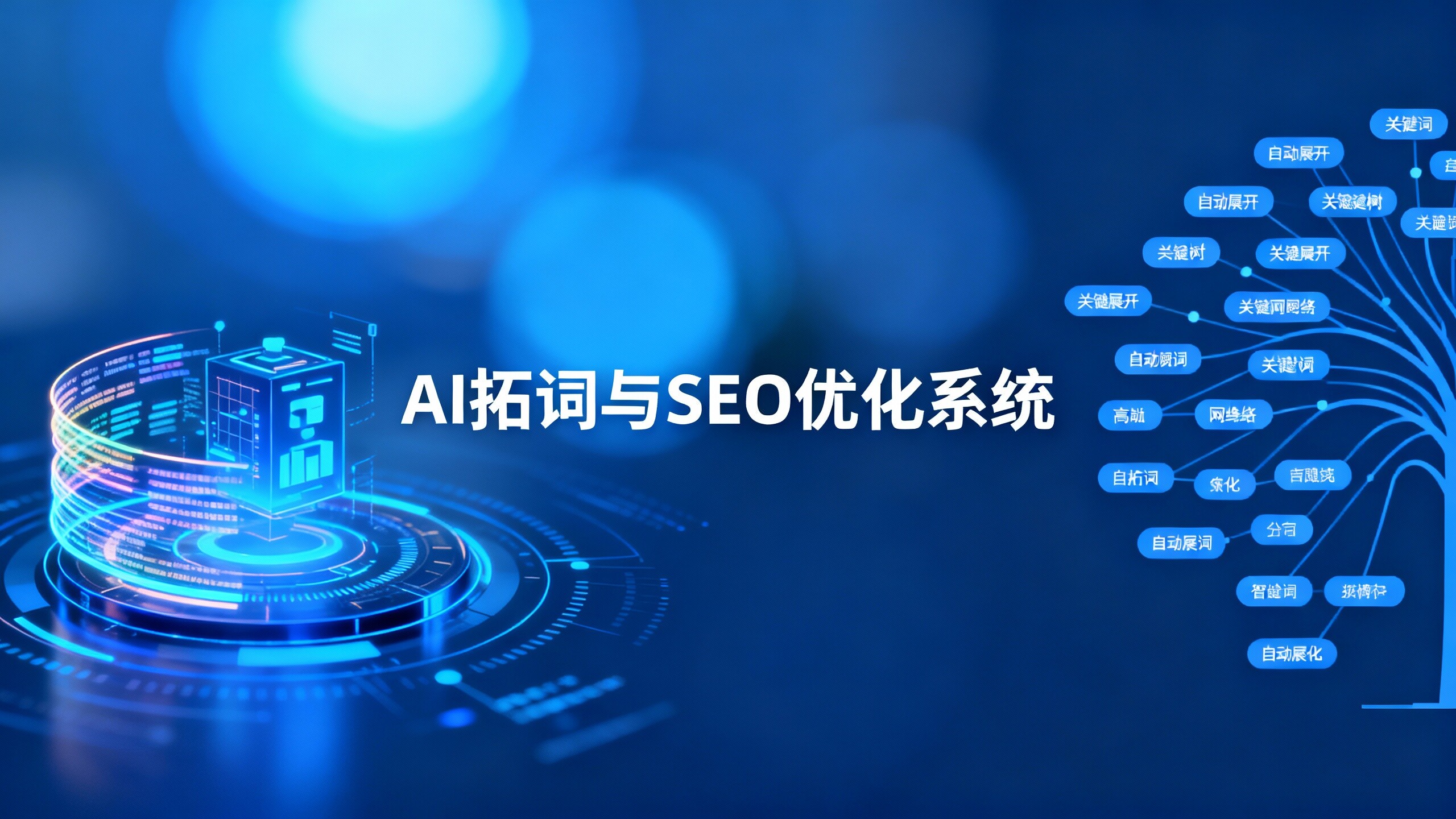
Application: AI automatically discovers a large number of niche but high-converting long-tail keyword combinations by analyzing **user search behavior on websites, chatbot Q&A records, and Google Search Console data from low-traffic pages**, guiding content teams to make precise content additions.
3. Application Practice: Page-Level Conversion Rate Optimization (CRO) Recommendations
Application: The intelligent monitoring service focuses not only on SEO rankings but also on conversion rates. AI analyzes **user dwell time, scroll depth, and heatmap data** to provide suggestions for **CTA button optimization, form field simplification, and content layout adjustments**, achieving a seamless conversion of SEO traffic into inquiries.
4. Application Practice: Automatically Generate Optimized TDK Copy
Application: The service integrates **generative AI**, which can automatically generate **title, description, and alt text with higher click-through rates (CTR) and better SEO standards** based on **target keywords, search intent, and page content**, and provide A/B testing suggestions.
IV. Intelligent SEO Services vs. Traditional SEO Audits: A Comparative Analysis and Industry Scenarios
1. Intelligent SEO Services vs. Traditional SEO Audits: A Comparative Analysis
2. Typical industry scenarios for intelligent SEO services
Intelligent SEO services have disruptive value for the following foreign trade industries:
- **Highly competitive DTC brands/e-commerce platforms:** These websites are large-scale and frequently updated, requiring **real-time AI monitoring and optimization** to maintain their rankings.
- **B2B Solutions/High-Tech Manufacturing:** Requires **AI Semantic Analytics** to ensure the EEAT authority of content in highly specialized fields.
- **Independent websites that rely on multilingual traffic:** Must use **AI-powered automatic Hreflang proofreading** to ensure the technical correctness of multilingual SEO.
3. Standard Certification and Professional Specifications for Intelligent Website Detection and SEO Optimization Services
Criteria for evaluating high-quality intelligent SEO service providers:
- **AI Model Maturity:** Demonstrates the practical application effects and data accuracy of **AI web crawlers and ML prediction models**.
- **CWV Compliance Commitment:** We commit to improving your website's core page metrics scores to Google's recommended "Excellent" level through intelligent detection and optimization.
- **Data Transparency and Security:** The diagnostic reports provided have transparent data sources, and the service process complies with international data privacy and security standards.
V. Upgrade now and use AI-powered intelligent diagnostics to eliminate blind spots in your SEO and achieve continuous growth!
Is your SEO investment stuck in an **inefficient cycle and experiencing ranking fluctuations**? Our professional **intelligent website detection and SEO optimization service** offers **AI-powered end-to-end diagnostics, real-time CWV repair, and long-tail traffic prediction**! Book your **free AI-powered Intelligent SEO Potential Diagnosis** now to discover **80% of hidden flaws on your website that are undetectable by humans**!
Click to get a free AI diagnostic reportFAQ
1. What are the differences between AI-powered intelligent detection services and Google Search Console (GSC)?
Answer: GSC provides **official data and overview issues**, but **does not provide solutions**. Intelligent Services go a step further: it uses **AI crawlers to simulate the GSC crawling environment**, providing **deeper, more specific technical flaws**, and can **automatically provide code-level fix suggestions, predict optimization priorities, and monitor competitors**, serving as GSC's **advanced execution and analysis layer**.
2. Do changes to the website's code made by intelligent services require manual intervention?
Answer: The intelligent service primarily provides **"precise remediation suggestions"** and **"automated reports"**. For complex code changes (such as server configuration or CMS core file modifications), **technical personnel still need to perform final deployment based on AI's suggestions**. However, AI significantly **shortens the time spent on troubleshooting and decision-making**.
3. How does AI help me discover new long-tail keywords?
Answer: AI uses **semantic models** to analyze your website's **core themes and visitors' search intent**, identifying **highly relevant but not yet covered long-tail keywords**. It also analyzes **low-traffic pages** to uncover which words users use to reach the site, thus discovering **"hidden" traffic opportunities that traditional keyword tools cannot identify**.
4. How often should the intelligent detection service perform diagnostics?
Answer: Best practice is **continuous (7x24) monitoring**. Because Google's algorithm and website content change in real time, **professional intelligent services monitor core page metrics, Hreflang status, and key rankings in real time**. For large websites, it is recommended to **generate a detailed AI diagnostic report weekly** and prioritize remediation tasks accordingly.

Customer Reviews
CEO Zhao, High-Tech B2B Independent Website
"Our website's CWV score consistently failed to meet standards, and traditional audit reports couldn't resolve the root issues. After implementing **AI-powered detection services**, the AI immediately diagnosed that **third-party JS resources were blocking LCP**. **The repair recommendations were precise down to the code line**, and we **improved the CWV score to excellent within two weeks**, with **core keyword rankings comprehensively surging**!"
Ms. Lin, Large Cross-Border E-Commerce Platform
"**The AI's ability to automatically discover long-tail keywords** exceeded our expectations. By analyzing user search logs, it helped us **create over 500 new product FAQ pages**, which brought in **an additional 30% traffic**, and these visitors had **a conversion rate twice the average**! Truly achieving breakthroughs in both efficiency and results!"
 Ways to improve the effectiveness of website SEO optimization 7 steps to improve weight and inclusion speedThrough smart website detection SEO optimization service and website loading speed optimization service, combined with multi-language SEO optimization service and independent website SEO strategy, this article proposes ways to improve website SEO optimization effect, provides 7 steps to land path, quickly improve weight and speed up inclusion. Covering methods to improve website SEO optimization ranking, SEM optimization techniques, customized foreign trade marketing solutions and social media marketing strategies, and gives smart website construction price reference and practical advice. Get a free technical inspection report and customized implementation list to start quantifiable traffic and conversion improvement.
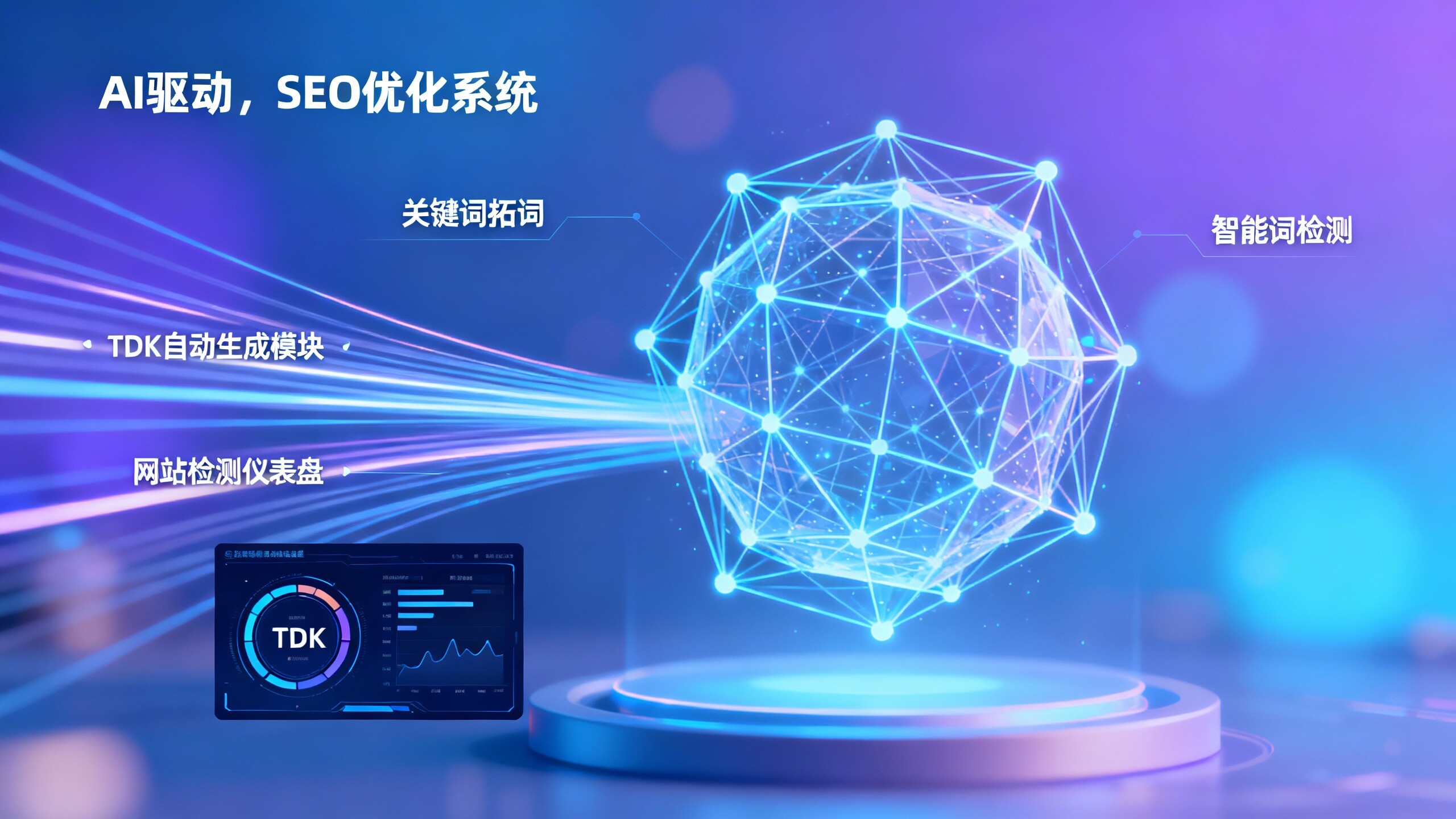
 AI+SEO Dual Engine Optimization System: Triple Your Foreign Trade Website's Natural TrafficAI+SEO Dual Engine Optimization System integrates AI keyword expansion, automatic TDK generation, intelligent website detection and other technologies to help build foreign trade independent websites, enhance SEO optimization effectiveness and rankings, achieve natural traffic tripling, and provide localized SEO optimization software services in Guangdong.
 Are your methods for improving website SEO optimization rankings ineffective? You might not be using the right tools.Are your methods for improving website SEO optimization rankings ineffective? Try EasyShop AI+SEO dual-engine system, integrating AI keyword expansion, automated TDK generation, intelligent detection tools, and more to help foreign trade independent websites with construction and global traffic growth, significantly enhancing website SEO optimization effectiveness.
 How to Break Through the Traffic Loop with Automated Social Media SEO Optimization Services? Case Study BreakdownHow to Break Through the Traffic Loop with Automated Social Media SEO Optimization Services? Combining AI+SEO Dual-Engine Optimization Systems to Enhance Efficiency in Building Foreign Trade Independent Websites, Utilizing AI Keyword Expansion, Automated TDK Generation, Intelligent Website Detection, and Other Technologies to Comprehensively Improve Website SEO Optimization Effectiveness, Helping Businesses Achieve Global Growth.
 Still manually optimizing SEO? AI advertising intelligent SEO optimization service makes rankings soarAI advertising intelligent SEO optimization service leads the new trend in foreign trade independent website construction, integrating AI keyword expansion, automatic TDK generation, and intelligent website detection to enhance website SEO optimization effects. EasyCampaign AI+SEO dual-engine system helps global rankings soar, efficiently reducing costs, experience the intelligent marketing transformation with one click!
 What are the methods to improve website SEO optimization effectiveness? 90% of people overlook this stepWhat are the methods to improve website SEO optimization effectiveness? 90% of people overlook the AI+SEO dual-engine optimization system. Combining foreign trade independent site construction, AI keyword expansion and TDK auto-generation technology, it comprehensively enhances search rankings and helps enterprises efficiently acquire customers.
 AI Keyword SEO Optimization Services vs Traditional Keyword Expansion: How Many Times More Efficient?AI Keyword SEO Optimization Services combine AI+SEO dual-engine optimization systems to significantly improve the efficiency of building foreign trade independent websites. Compared to traditional methods, keyword coverage and generation efficiency increase by 40 times, making website SEO optimization methods smarter and more effective.
 Intelligent website SEO optimization service, detect 20 ranking-impacting issues in 1 minuteIntelligent website SEO optimization service, detect 20 ranking-impacting issues in 1 minute. Combined with AI keyword expansion, automated TDK generation, and AI+SEO dual-engine technology to enhance SEO performance for foreign trade independent websites, helping businesses efficiently expand overseas. Experience Guangdong's leading SEO optimization software technology.