What is Enterprise Multilingual CMS?
Enterprise Multilingual CMS is the English abbreviation for enterprise-level multilingual content management system, referring to a software platform that supports the creation, storage, publishing, and management of content in multiple languages. Its core value lies in ensuring brand consistency across global markets through unified backend management of content in different language versions.
Compared to standard CMS, Enterprise Multilingual CMS must meet three industrial standards: Unicode character set processing, dynamic language package switching capabilities, and compliance with W3C internationalization standards. Taking the EasyCamp system as an example, its responsive architecture ensures 100% compatibility across mobile and PC versions for all language editions.
Based on deployment models, it can be categorized into three types: SaaS (e.g., EasyCamp Cloud Platform), hybrid deployment (supporting public cloud + private cloud), and fully localized. Enterprises should choose the appropriate type based on data security requirements and IT infrastructure.
Why Choose a Professional Multilingual CMS?
Traditional website approaches face three major pain points when addressing multilingual needs: high manual translation costs (over 40% of project budgets), inconsistent version updates, and SEO optimization difficulties. EasyCamp's AI marketing algorithm can automatically generate localized content compliant with Google/Baidu search logic, improving content production efficiency by 300%.
Technical comparisons show professional Enterprise Multilingual CMS has significant advantages in: 99% faster page loading than traditional solutions (leveraging global CDN nodes), 80% reduction in multilingual SEO errors, and 60% improvement in content collaboration efficiency. These metrics directly impact overseas market conversion rates.
In the case of Shandong Airlines, EasyCamp enabled synchronized updates across Chinese, English, Japanese, and Korean content, reducing international ticket booking page bounce rates by 35% and increasing average session duration by 2.4x.
Typical Applications and Client Segments
Enterprise Multilingual CMS primarily serves three enterprise types: export manufacturers (e.g., heavy machinery, laser equipment), cross-border service providers (tourism, education), and global brands. Machinery industry clients account for 42% due to product documentation requiring 20+ language versions.
Core applications include: multilingual website development, global e-commerce site management, technical documentation localization, and multinational team collaboration. In EasyCamp's Xiaoya Group case, the system automated synchronization of product manuals in English, French, and Spanish, saving approximately 1.2 million yuan annually in localization costs.
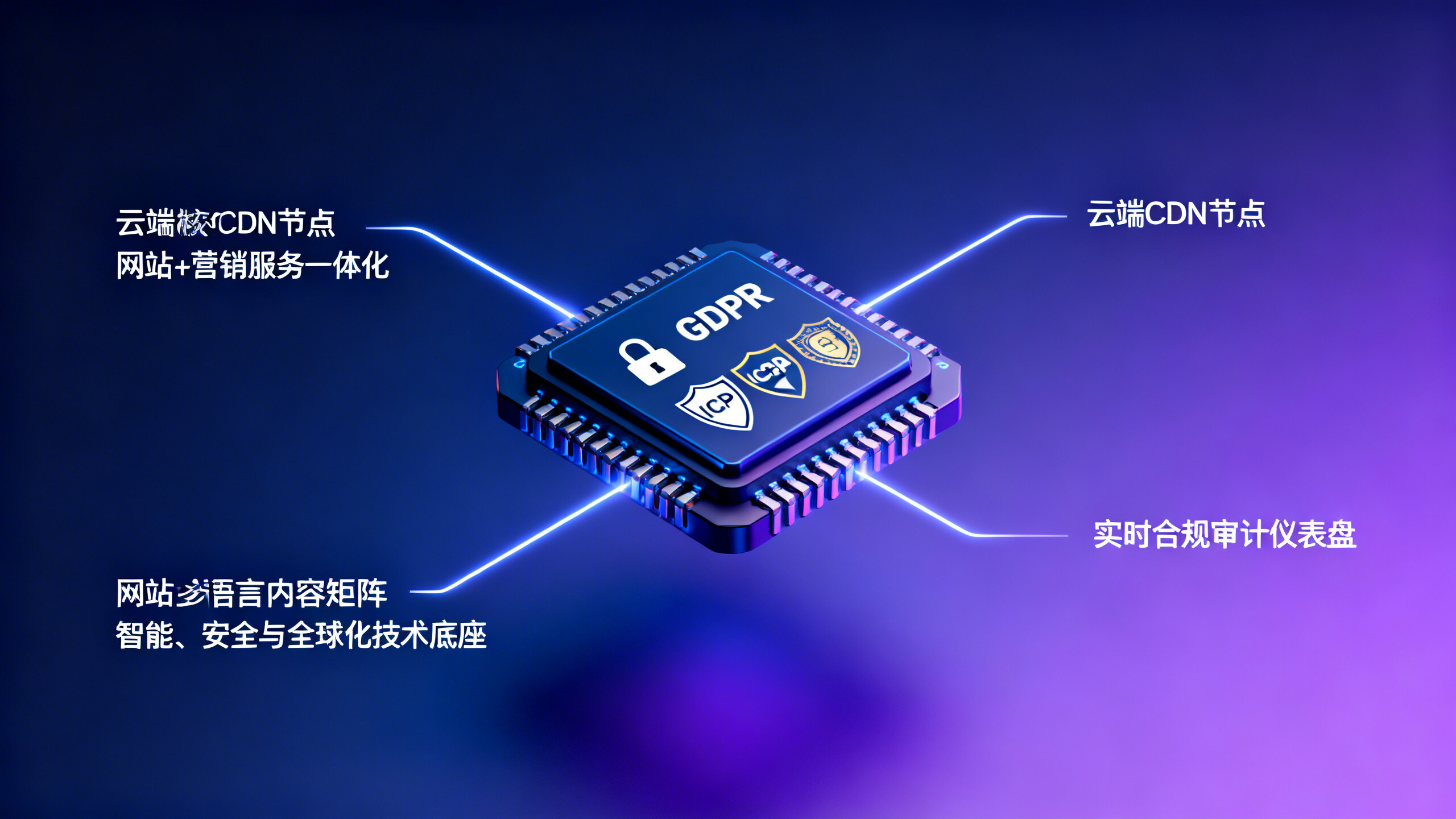
Special scenarios require regional compliance: EU GDPR multilingual disclosure clauses, Middle Eastern right-to-left (RTL) typesetting, and Latin American Spanish variants (e.g., Mexican Spanish vs. European Spanish differences).
Technical Architecture and Core Features
Modern Enterprise Multilingual CMS typically adopts a three-tier architecture: content storage layer (supporting NoSQL for unstructured data), business logic layer (including machine translation APIs), and presentation layer (adaptive multi-terminal output). EasyCamp V6.0 innovatively introduces AI quality inspection to automatically identify translation inconsistencies.
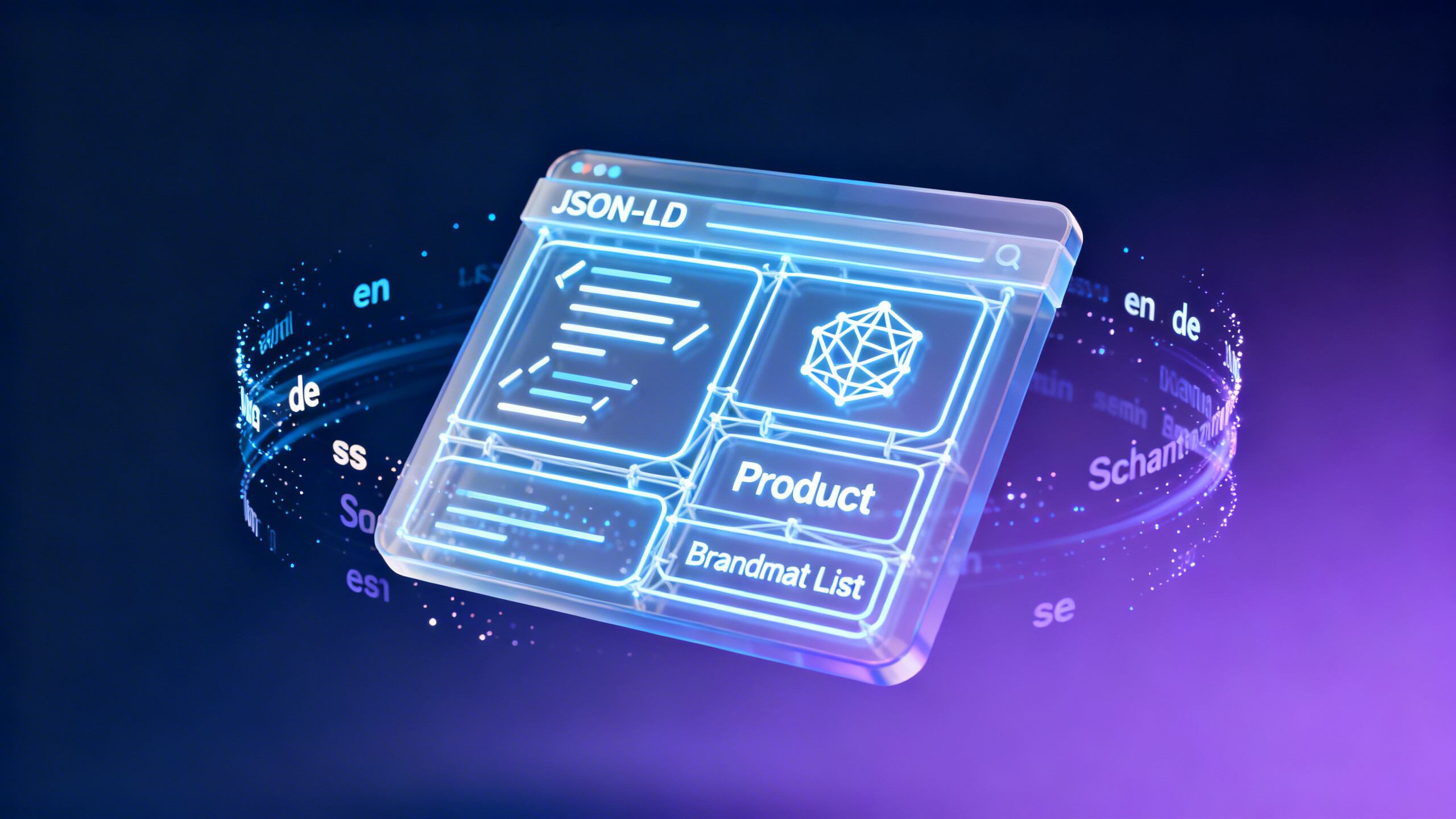
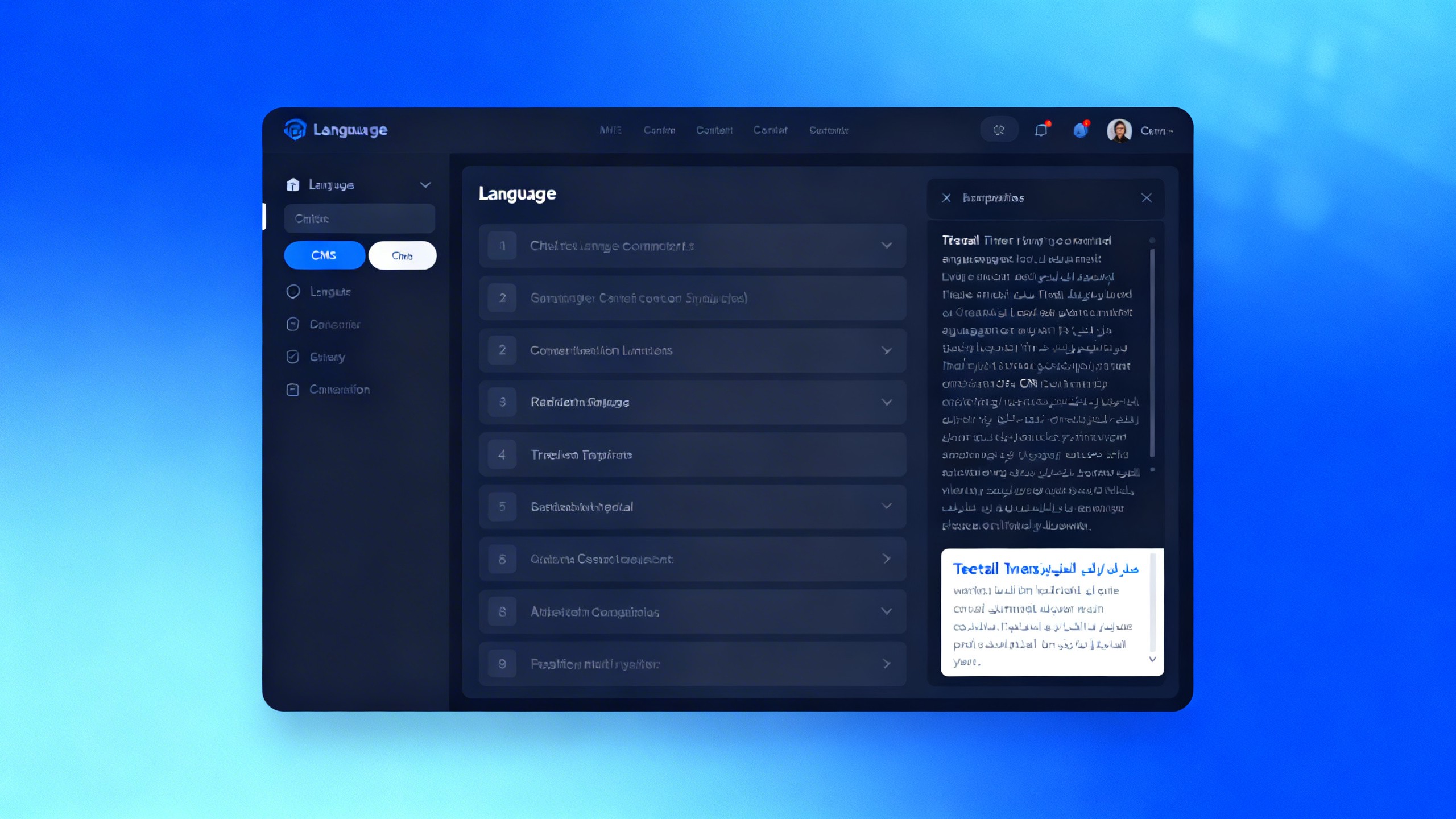
Key modules include: visual translation editor (supporting terminology databases), multilingual SEO tools (auto-generating hreflang tags), and access analytics dashboards (language-specific user behavior analysis). Testing shows these features improve content team efficiency by 55%.
Security requires ISO 27001 certification and encrypted data transmission. EasyCamp leverages Alibaba/Huawei cloud infrastructure to ensure global access latency below 100ms with 99.99% service availability.
Selection Criteria: Five Key Dimensions
Enterprise procurement should evaluate: language coverage (EasyCamp supports 83 languages), content collaboration efficiency (real-time multi-user editing), system extensibility (API quantity), operational costs (SaaS reduces TCO by 30%), and vendor industry expertise.
Cost breakdown: 45% software licensing, 25% implementation, 30% maintenance. Enterprises adopting EasyCamp's AI automation typically achieve ROI breakeven within 14 months through labor savings.
Special considerations: minority language rendering tests (e.g., Thai character spacing), multi-timezone publishing schedules, and deep ERP/CRM integration. China Heavy Motors specifically verified Russian/Arabic bidirectional text support during selection.
Industry Development Trends
2025 technology innovations: generative AI-assisted creation (e.g., EasyCamp V5.0's automated marketing copy), headless architecture adoption (cross-channel content reuse), and real-time machine translation quality improvements (error rates below 5%). These changes will redefine multilingual content workflows.
Market data shows 17% annual growth in global multilingual CMS demand, fastest in Asia-Pacific (23%). Emerging needs include: multilingual video subtitling, AR/VR real-time voice localization, and cross-border e-commerce smart recommendations.
Enterprises should evaluate system upgrade needs every 18 months, focusing on AI integration depth and regulatory changes. EasyCamp's 2025 roadmap includes EU Digital Services Act (DSA) multilingual compliance modules.
 What Factors Affect Enterprise Multilingual CMS PricingEnterprise Multilingual CMS pricing is influenced by functional modules, language scale, deployment model, system integration, and maintenance and operations. This article helps you quickly understand the cost structure, common budgeting pitfalls, and ROI evaluation methods, enabling more sound procurement decisions.
 How to choose a Headless CMS for global websites? 3 most overlooked compliance costs by procurement teams: GDPR, CCPA, and local CDN filingHow to select an international digital marketing platform? For Headless CMS for global websites, the key lies in GDPR/CCPA compliance and local CDN support! Yiyingbao offers an AI Multilingual Website System + Schema-ready integrated solution.
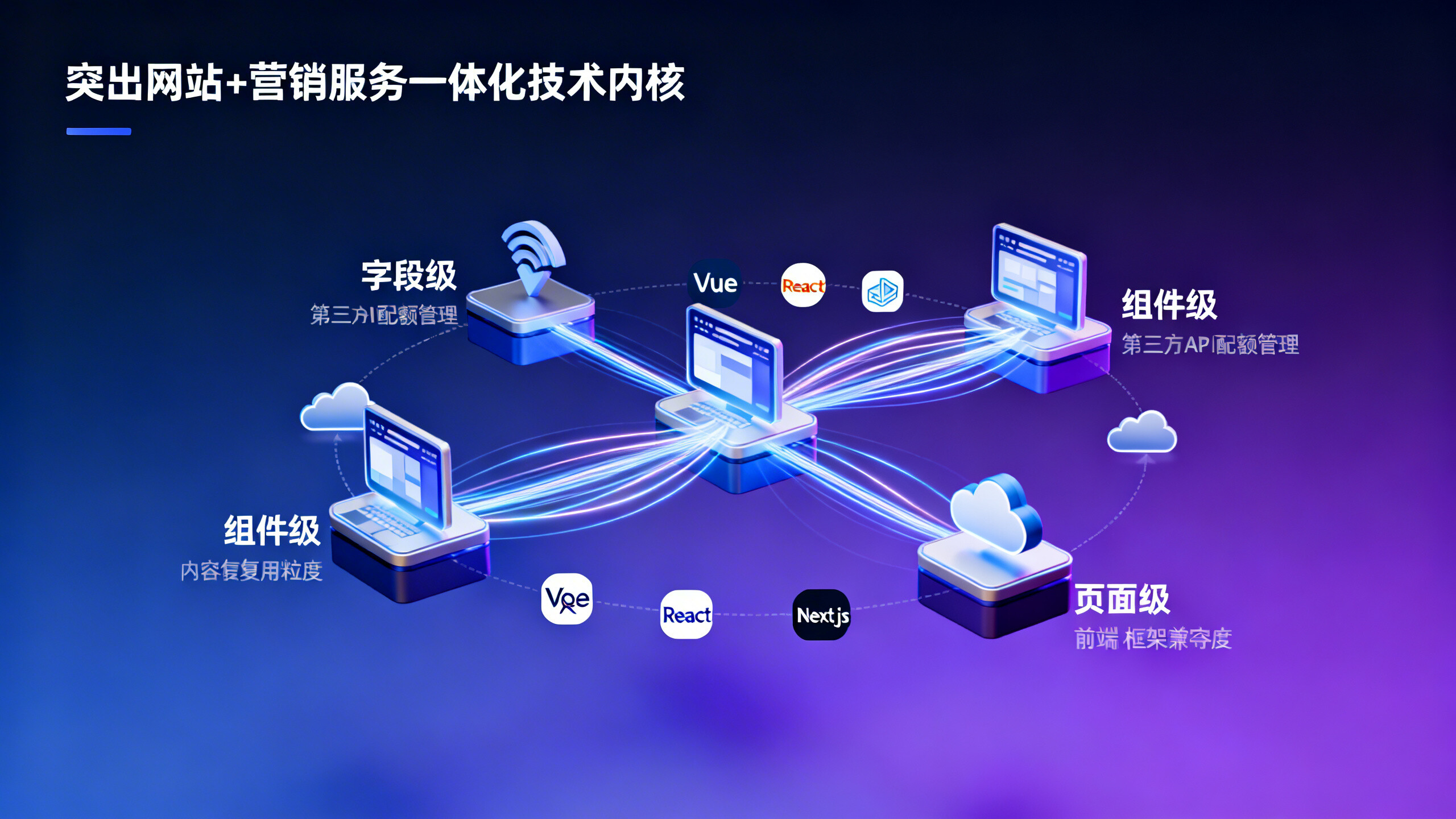
 How to Choose a Headless CMS for Global Websites? Start by Clarifying These 3 Questions: Content Reusability Granularity, Third-Party API Quotas, Frontend Framework CompatibilityHow to Choose a Headless CMS for Global Websites? Focus on Core Pain Points of International Digital Marketing Platforms: Content Reusability Granularity, API Quotas, Frontend Compatibility. EasyTrade AI Multilingual Website System Offers One-Stop GEO Optimization, Schema-Ready Website Building, and AI+SEM/SNS Marketing!
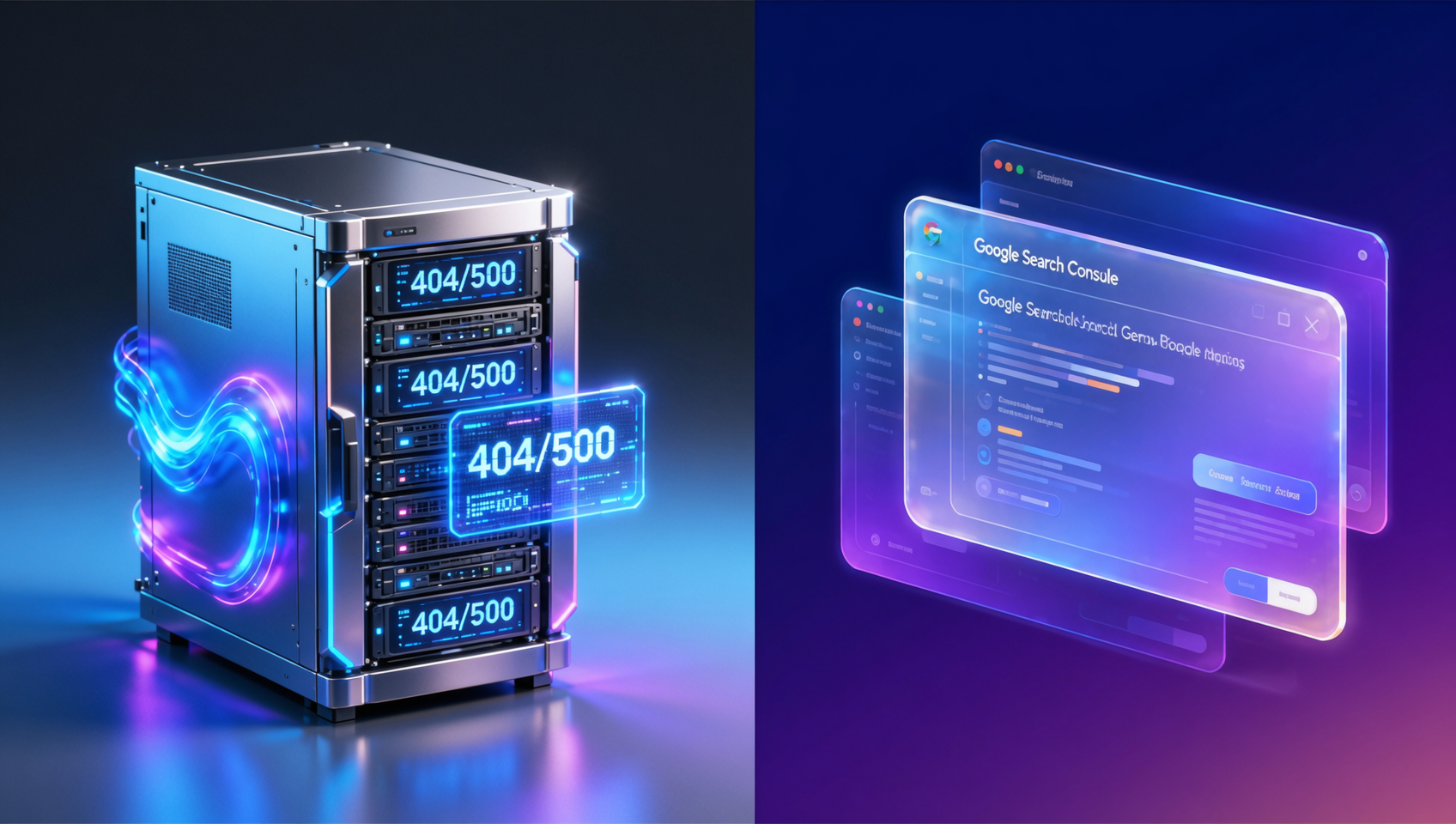
 How to build a structured data website to meet compliance? Google Search Console shows these 4 error codes indicating you're not yet compliantHow to build a structured data website? 4 major GSC errors reveal multilingual SEO risks! EasyProfit AI Multilingual Website System supports Schema-ready site building, GEO optimization and AI+SEM synergy, achieving compliance with one click.
 The advantages of a Schema-ready website builder go beyond SEO—it's transforming the content operation logic of multilingual sitesThe benefits of a Schema-ready website builder are evident! AI Multilingual Website System+GEO optimization+Headless CMS creates a high-converting international digital marketing platform. Start with a free diagnostic for multilingual SEO upgrades.
 How to Optimize AI Multilingual Website System Without Flipping? 3 Common Semantic Mistranslation Pitfalls That Are Dragging Down Conversion RatesHow to Optimize AI Multilingual Website System? Avoid Semantic Mistranslation Pitfalls! International Digital Marketing Platform Recommends Schema-ready Website Generator with Enterprise Multilingual CMS Integrated Solution.
 Which GEO optimization website builder is recommended? We tested 7 options, only 2 truly support city-level IP targeting.EasyStore is the recommended GEO optimization website builder! Out of 7 tested, only 2 support city-level IP targeting. AI Multilingual Website System optimization? Schema-ready website + AI + SEM + SNS full-chain empowerment for global enterprises.
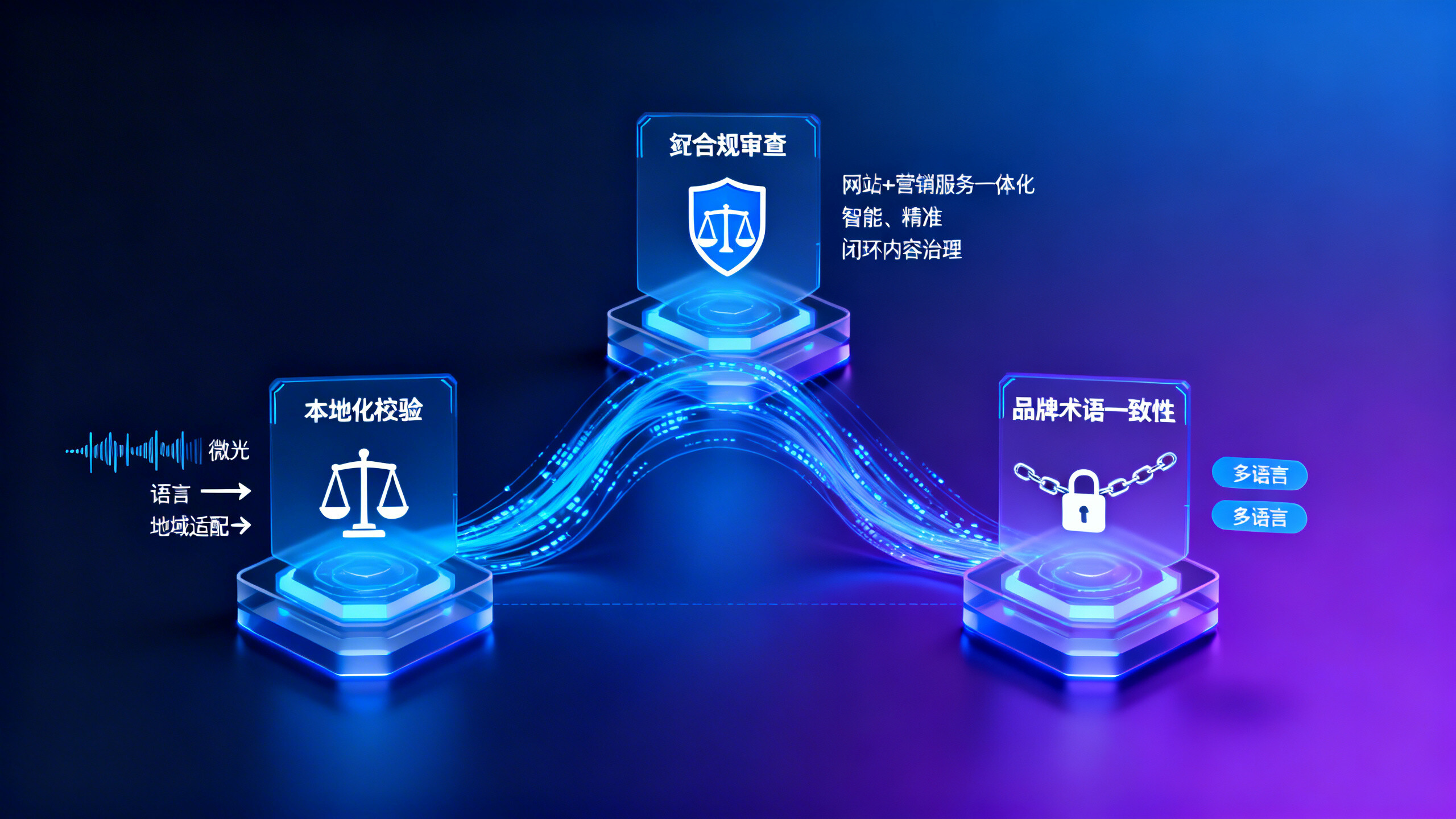
 Enterprise Multilingual CMS must support 3 types of content review workflows: compliance audit, localization validation, and brand terminology consistency checkEnterprise Multilingual CMS essential triple review process! How to make international digital marketing more compliant? AI Multilingual Website System customization + Schema-ready website builder selection guide