









I. Definition and Business Scope of Industry Lead Generation Solutions
An industry lead generation solution is a systematic approach built around target customer identification, traffic acquisition, content persuasion, lead collection, sales follow-up, and data review. For B2B companies, the ultimate goal is not simply to increase website traffic, but to continuously obtain qualified inquiries that match their product capabilities, purchasing cycles, and target market requirements.
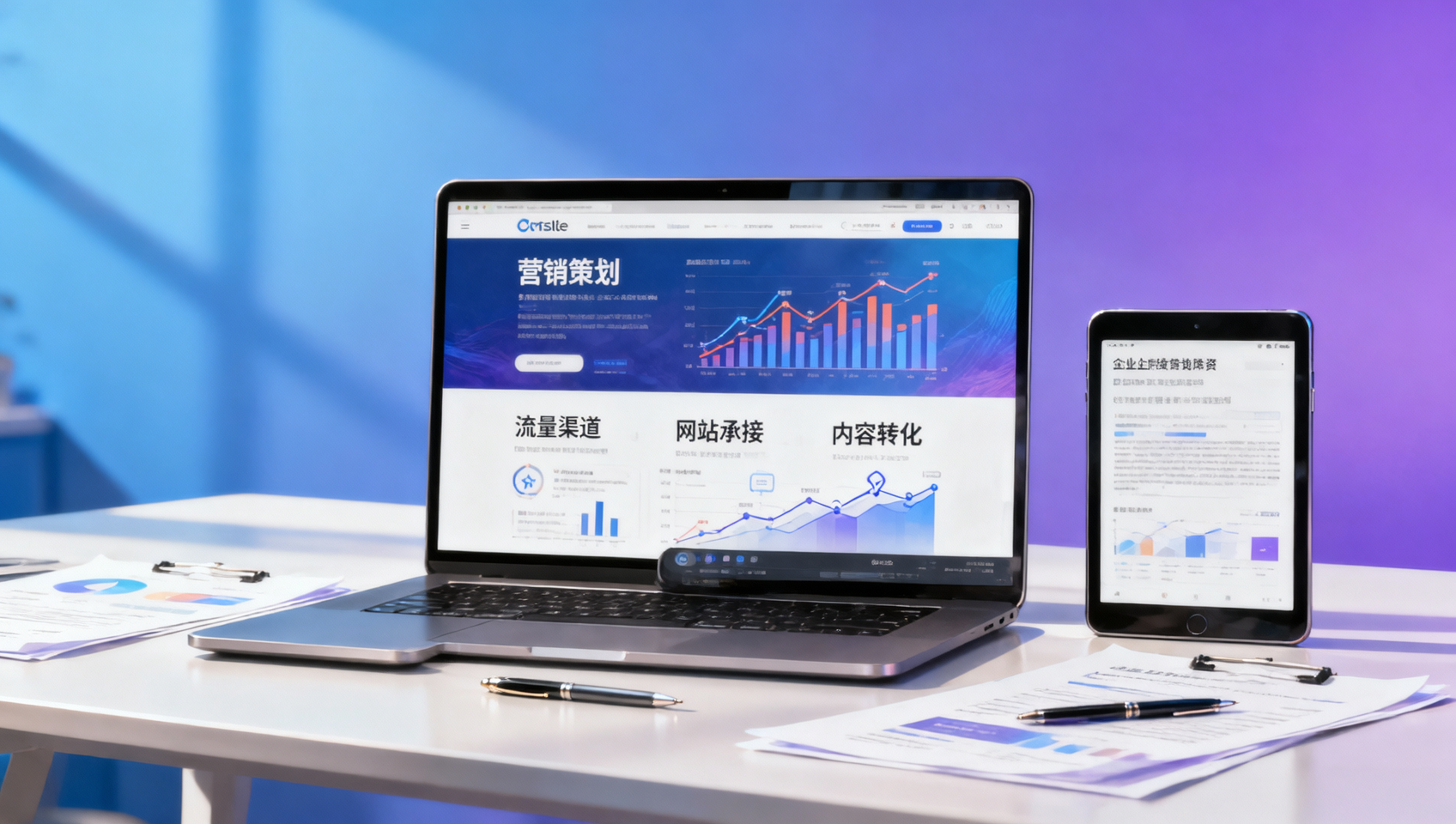
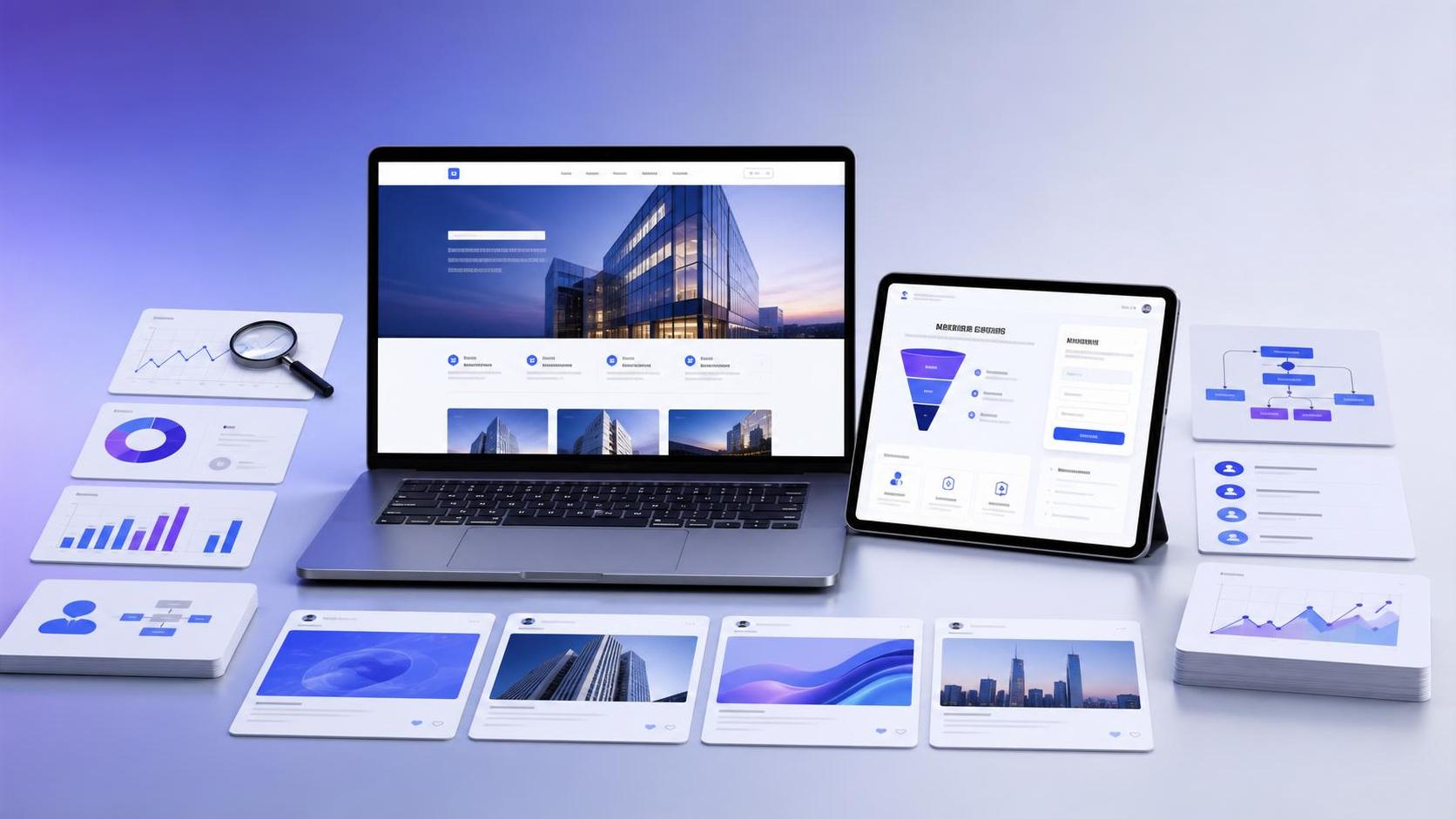
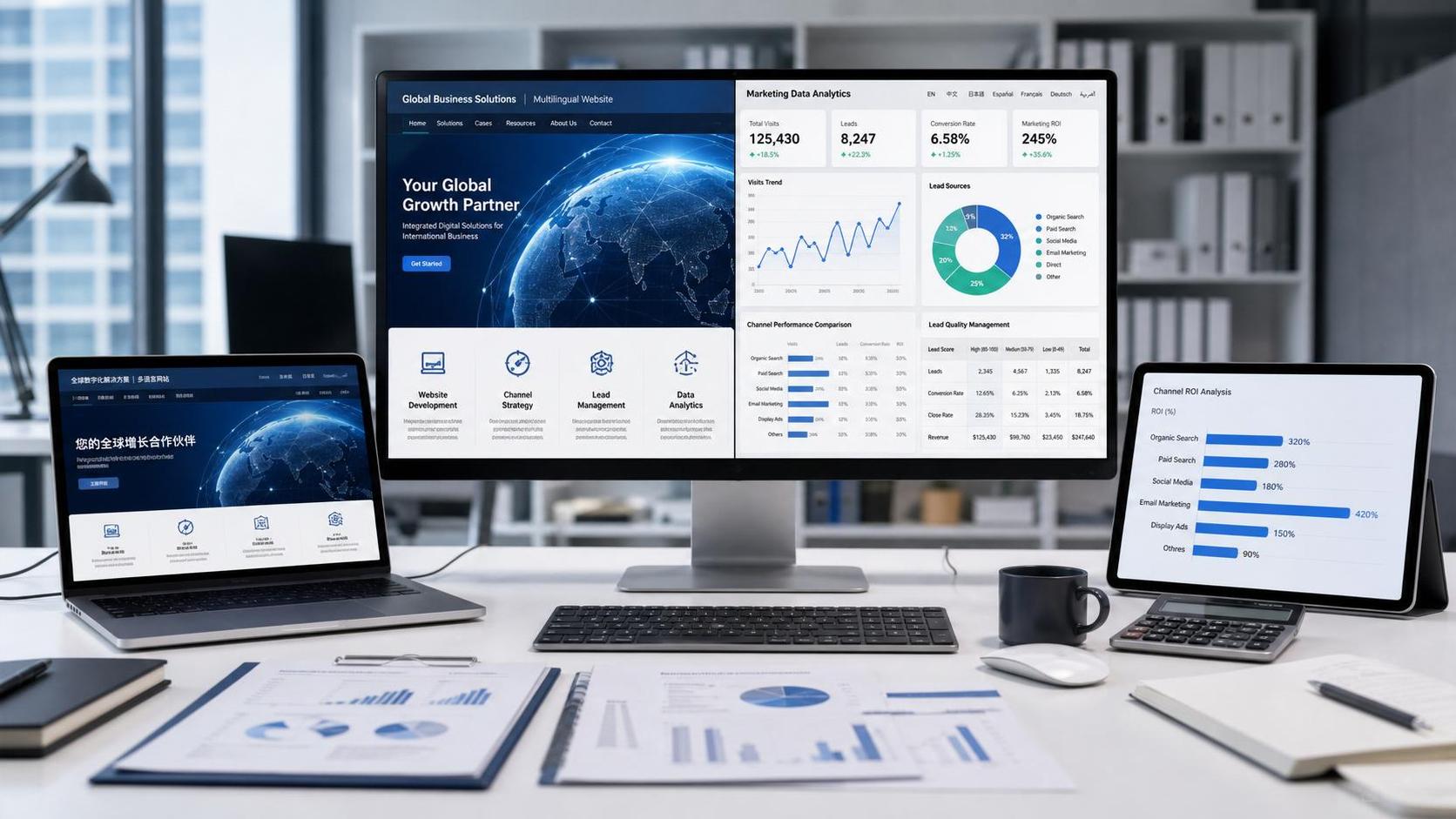
A complete industry lead generation solution typically uses an independent website as the information and conversion hub. Upstream, it connects to Google organic search, paid advertising, overseas social media, email outreach, and trade show engagement; downstream, it connects to forms, instant communication tools, customer relationship management, and quotation processes. All stages should follow consistent conversion criteria.
In long decision-making scenarios involving industrial products, customized equipment, raw materials, and similar offerings, the official website also serves to display qualifications, explain factory capabilities, answer technical questions, and validate cases. Therefore, lead generation development should meet buyers' needs for product research, technical evaluation, and procurement communication, rather than relying solely on a display-oriented website approach.
II. Mainstream Lead Generation Channels and Applicable Conditions
Search-based lead generation includes organic search and keyword advertising. Organic search is suitable for building product keyword, application keyword, problem keyword, and solution content assets, and usually requires continuous development. Advertising is suitable for new product testing, entry into key markets, and short-term lead supplementation, but it must rely on clear landing pages and conversion tracking.
Social media lead generation emphasizes continuous engagement and trust building. Platforms such as Facebook, LinkedIn, TikTok, and YouTube can be used to showcase production sites, product applications, delivery processes, and industry knowledge, then guide interested visitors to the official website to submit inquiries, make appointments, or download materials.
Platforms, trade shows, and proactive outreach can still be part of an industry lead generation solution, but companies should consolidate customers on their own websites and in manageable lead databases. This can reduce reliance on the rules of a single platform, exhibition schedules, and individual sales representatives' personal resources, while improving long-term data visibility.
III. Which Companies Should Prioritize Building a Lead Generation System
Manufacturing factories, OEM or ODM companies, foreign trade companies, industrial product suppliers, and cross-border brands are particularly suited to industry lead generation solutions centered on official websites. These companies often have complex product specifications and purchasing decisions involving multiple stakeholders, requiring page content to reduce overseas customers' information verification and communication costs.
For companies that rely on trade shows, B2B platforms, or referrals from existing customers, a website can compensate for insufficient exposure outside exhibition periods. For teams with advertising budgets but unstable inquiry quality, they should first check whether keyword intent, country targeting, landing page content, and sales response speed are aligned.
When entering non-English-speaking markets such as Russian, Japanese, Arabic, and Spanish markets, multilingual pages should not rely solely on literal translation. They must also align with local buyers' measurement habits, product terminology, delivery concerns, and communication channels. Market priorities should be determined jointly by order potential, competition intensity, and fulfillment capability.
IV. Implementation Methods for Website SEO and Conversion Handling
Implementation should begin with research into markets, customer roles, and keywords, followed by planning for the homepage, product category pages, product detail pages, application pages, company capability pages, and knowledge content pages. The page structure should enable buyers to quickly determine whether products are suitable while helping search engines understand topic hierarchy and page relationships.
Product pages should clearly specify specifications, materials, processes, application scope, minimum order requirements, delivery information, and available customization capabilities. For highly technical products, frequently asked questions, selection guidelines, and testing instructions may be added, provided that the content is based on the company's actual capabilities and avoids unverifiable performance claims.
Conversion design should provide inquiry forms, WhatsApp, email, and online consultation options according to the customer's stage, while minimizing irrelevant fields. Each source channel should use trackable landing pages and conversion events, while the sales team needs to define first-response time limits, lead grading, quotation milestones, and methods for recording reasons for lost opportunities.
V. Selection Criteria and Application Scenarios for Yiyingbao
When selecting a service provider, companies should focus on whether the website supports responsive display, multilingual paths, independent content maintenance, scalable product volumes, basic technical optimization, access stability, and data integration capabilities. Buyers should also confirm delivery boundaries, including responsibilities for content preparation, number of pages, promotion and operation cycles, and lead ownership rules.
Yiyingbao provides AI-powered website building, multilingual independent websites, Google SEO, advertising, overseas social media, and website operation services for foreign trade B2B and global brand expansion scenarios. Its solutions are suitable for companies seeking to incorporate website building, promotion, and subsequent optimization into one collaborative process rather than separately purchasing multiple tools.
In service industries such as laser engraving machines, steel, chemicals, heavy-duty trucks, machinery, new energy, medical care, and furniture, customers typically need to present complex products and corporate capabilities. Yiyingbao can combine product catalogs, factory materials, multilingual content, and inquiry channels to build conversion-oriented websites for overseas procurement scenarios.
VI. Total Cost of Ownership and Return on Investment Evaluation
The total cost of ownership of an industry lead generation solution includes not only website development and advertising expenses, but also the costs of content production, translation and localization, images and videos, technical maintenance, data analysis, sales response, and continuous optimization. Comparing only the initial quotation can easily overlook hidden losses caused by difficulties in subsequent content updates or untrackable leads.
When evaluating returns, it is recommended to calculate them layer by layer based on traffic volume, qualified inquiry rate, sales-followable lead rate, quotation rate, conversion rate, and average gross profit per order. For advertising channels, customer acquisition cost and payback period should be key concerns; for organic search, target keyword coverage, indexing quality, and long-term lead contribution should also be monitored.
During the initial stage, priority can be given to pilot product lines with higher margins, stable fulfillment capabilities, and clear demand, avoiding an attempt to cover all categories at once. Once page conversion, sales follow-up, and channel data establish a stable baseline, companies can expand countries, languages, keywords, and advertising budgets to reduce uncertainty in expansion decisions.
VII. Maintenance Rhythm and Future Development Trends
After the website goes live, a monthly inspection mechanism should be established to monitor page indexing, access speed, form availability, keyword changes, advertising search terms, and inquiry sources. Product materials, case studies, qualifications, and market strategies should be reviewed quarterly. When product specifications, delivery times, or service scope change, relevant pages should be updated accordingly.
Future industry lead generation solutions will place greater emphasis on the reusability of content assets. A genuine product knowledge base can be used for official website pages, social media content, advertising copy, sales materials, and multilingual market communication. AI can improve content production efficiency, but companies still need to review technical accuracy and commercial compliance.
The generative search environment is increasing the importance of structured Q&A, brand entity information, and professional content. Companies can gradually develop FAQs, application guides, and solution pages addressing procurement questions, making brand information easier to understand and reference. Ultimately, competitiveness still depends on the combined support of product capabilities, credible information, and timely service.
