









I. Definition and Evaluation Scope of Foreign Trade Website Development Cases
Foreign trade website development cases are systematic presentations of the independent website development outcomes of export-oriented companies. They typically include website positioning, page architecture, product content, multilingual capabilities, user experience, and inquiry paths. They should not be judged solely by the visual design of the homepage; rather, it is necessary to assess whether the website serves the actual decision-making process of overseas buyers.
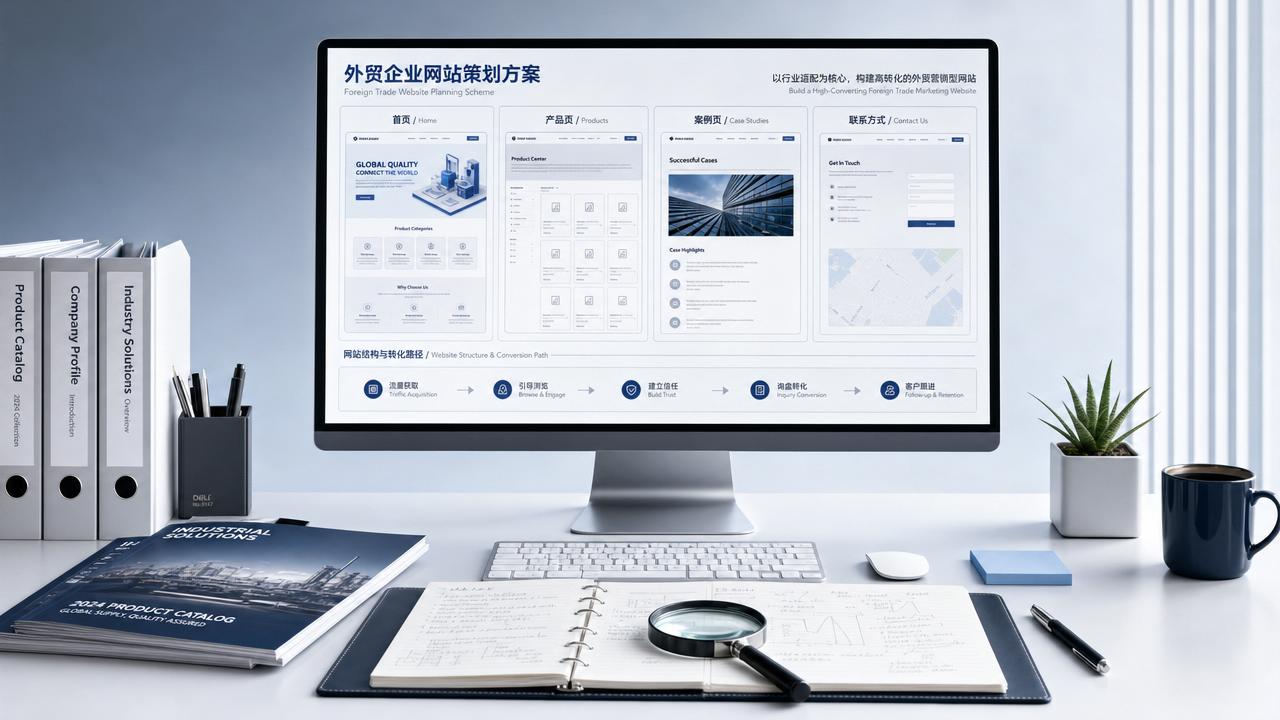
In B2B scenarios, a foreign trade website development case with reference value should explain which countries or channels customers come from, which pages they visit, how they understand the supplier's capabilities, and how they make contact through forms, email, WhatsApp, or online customer service. Pages are the vehicle; the conversion journey is the core.
For B2C brands or cross-border online stores, the evaluation should additionally focus on product categories, specification information, pricing and shopping processes, payment or quotation request journeys, review content, and the ability to support advertising landing pages. Different business models determine that website information hierarchies and conversion actions cannot simply be copied.
II. High-Converting Page Structure and Technical Foundation
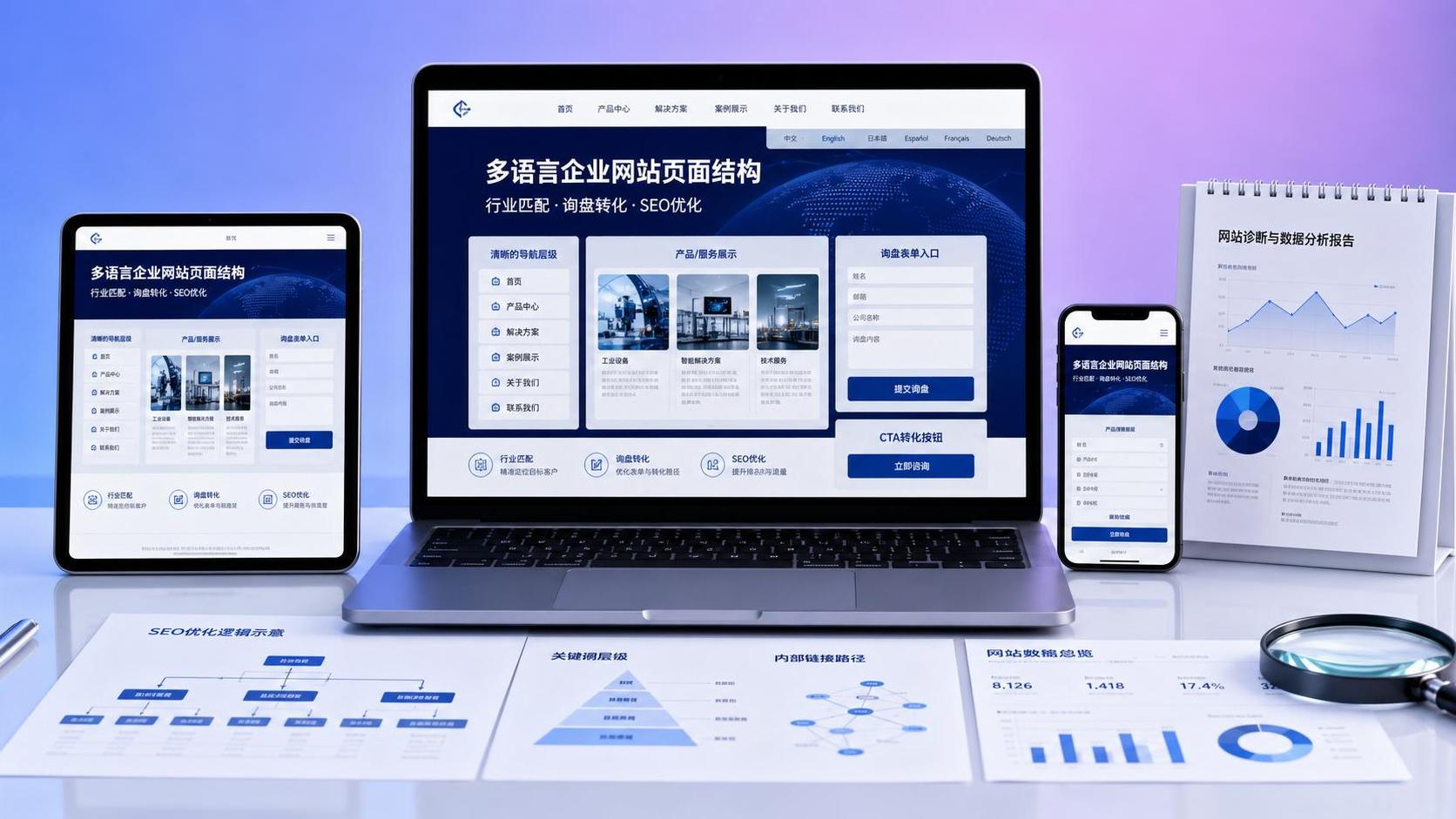
A typical foreign trade website should use clear navigation to connect the homepage, product categories, product details, solutions, About Us, case studies or resource center, and contact pages. Buyers often first verify category compatibility and then confirm specifications, production capacity, quality control, and cooperation methods. Therefore, the structure must support fast navigation and comparison.
Product detail pages are the most important lead-generation pages in most foreign trade website development cases. In addition to images and basic parameters, they should present application scenarios, customization options, packaging and transportation, delivery terms, FAQs, and clear inquiry entry points. Industrial products in particular should avoid displaying only models and simple selling points.
On the technical side, responsive layouts, HTTPS, reliable hosting, and image compression should be used to ensure readability on desktop and mobile devices. Yiyingbao uses a responsive architecture and provides supporting capabilities such as global nodes, CDN acceleration, and SSL, making it suitable for managing access performance and content operations within the same website development process.
III. Main Types of Foreign Trade Websites and Applicable Businesses
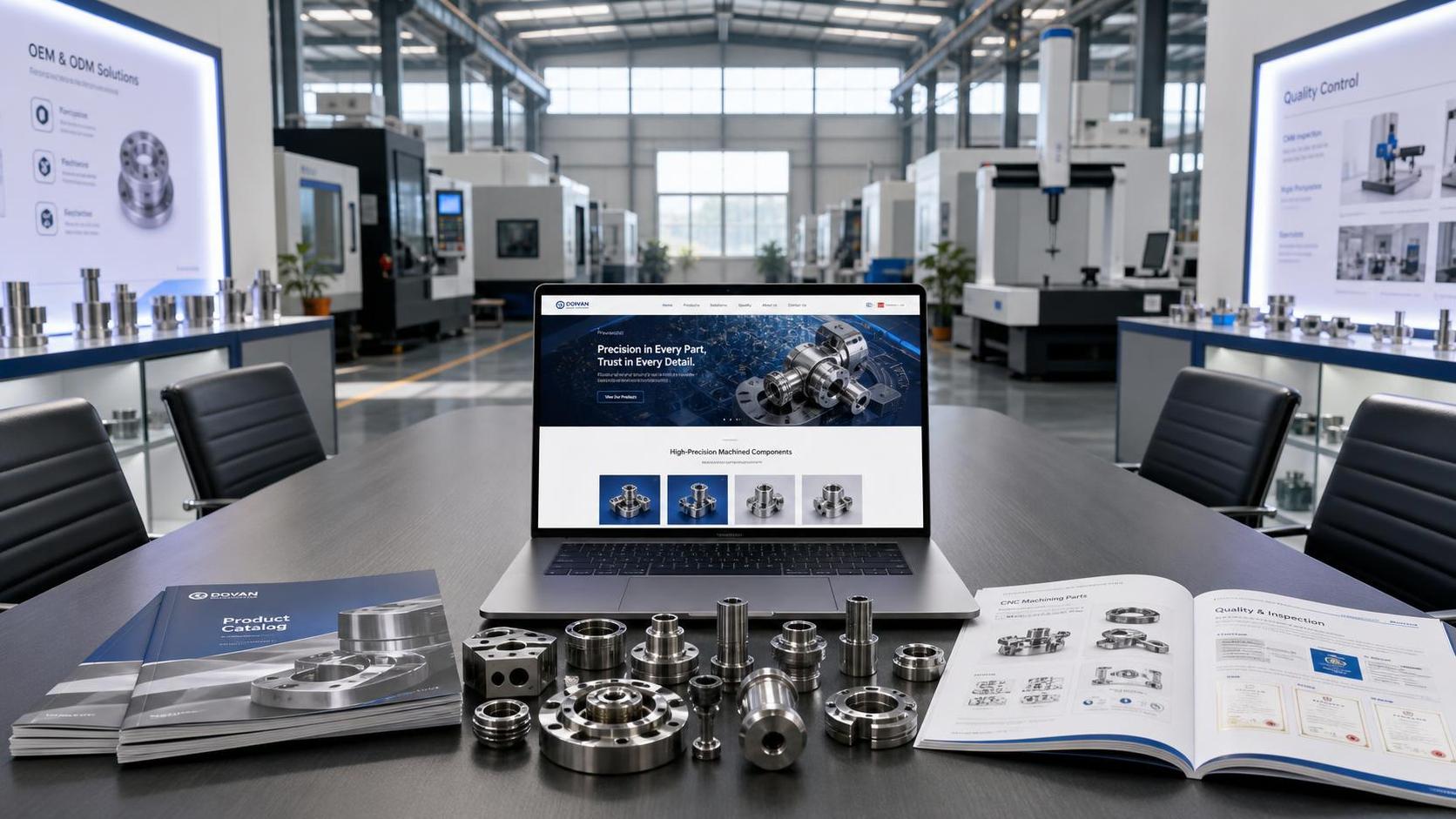
The first type is the B2B corporate website, suitable for manufacturing plants, trading companies, and OEM or ODM suppliers. Its focus is to establish corporate credibility and showcase product catalogs, production capabilities, qualification documents, service processes, and contact points. The goal is generally to obtain qualified inquiries rather than complete online transactions.
The second type is the industry solution website, suitable for fields with complex products or high average order values, such as machinery, chemicals, new energy, building materials, and auto parts. These pages organize content around application industries, technical issues, and delivery capabilities, helping procurement teams determine more quickly whether a supplier can meet project requirements.
The third type is the B2C branded independent website or cross-border online store, suitable for sellers with standardized products and brand operation plans. When evaluating foreign trade website development cases, attention should be paid to product search, variant management, shopping carts, ordering or quotation request processes, and landing page design for channels such as Google, Facebook, and TikTok.
IV. Website Development Service Provider Selection Criteria and Industry Requirements
Selection should not be based solely on the number of templates or the initial quotation. Buyers should confirm whether the service provider can identify target markets, core keywords, and product information, and whether it has mechanisms for section planning, content migration, data access permissions, domain management, and post-launch support, to avoid difficulties in maintaining the website after delivery.
For multilingual projects, language paths, regional content, Hreflang configuration, and translation review mechanisms should be examined closely. Machine translation can improve first-draft efficiency, but technical terminology, trade terms, and compliance wording should still be reviewed by the company or personnel familiar with the industry to ensure accurate expression suited to local procurement contexts.
Yiyingbao's AI-powered website development, multilingual independent websites, and AI-assisted content capabilities can cover needs such as corporate websites, product showcase sites, marketing landing pages, and cross-border online stores. Its core team has experience in search algorithm research and SaaS development, but companies should still configure services based on the completeness of their product information, target countries, and operational plans.
V. Typical Customer Acquisition Issues Addressed by Industry Cases
When researching foreign trade website development cases, it is recommended to first identify existing issues: whether product pages lack technical information, whether brand strength cannot be verified by overseas customers, whether ad clicks are directed to a generic homepage, or whether the website is available only in English and therefore misses non-English-speaking markets. The more specific the issue, the easier the solution is to validate.
Yiyingbao serves industries including laser engraving machines, steel, chemicals, heavy-duty trucks, machinery, new energy, agriculture, healthcare, and furniture, and has also served companies such as Haier, Aucma, Shandong Airlines, Yuanhe Power Station, Little Duck Group, and China National Heavy Duty Truck Group. The page focus of different projects should be determined according to business scope and customer decision-making cycles.
For example, equipment manufacturers need product model parameters, videos, factory capabilities, and after-sales information more; material suppliers need to highlight specifications, test documents, batches, and logistics capabilities; while branded consumer goods place greater importance on scenario presentation, reviews, delivery, and purchasing processes. The value of a case lies in presenting the solution logic rather than replicating the visual appearance of pages.
VI. Launch Process, Operational Maintenance, and Future Trends
A more reliable implementation process includes needs interviews, market and keyword research, sitemap planning, information collection, page development, multi-device testing, domain and security configuration, launch monitoring, and ongoing optimization. The more thoroughly product information, high-resolution assets, and frequently asked sales questions are prepared, the easier it is to control page quality and launch efficiency.
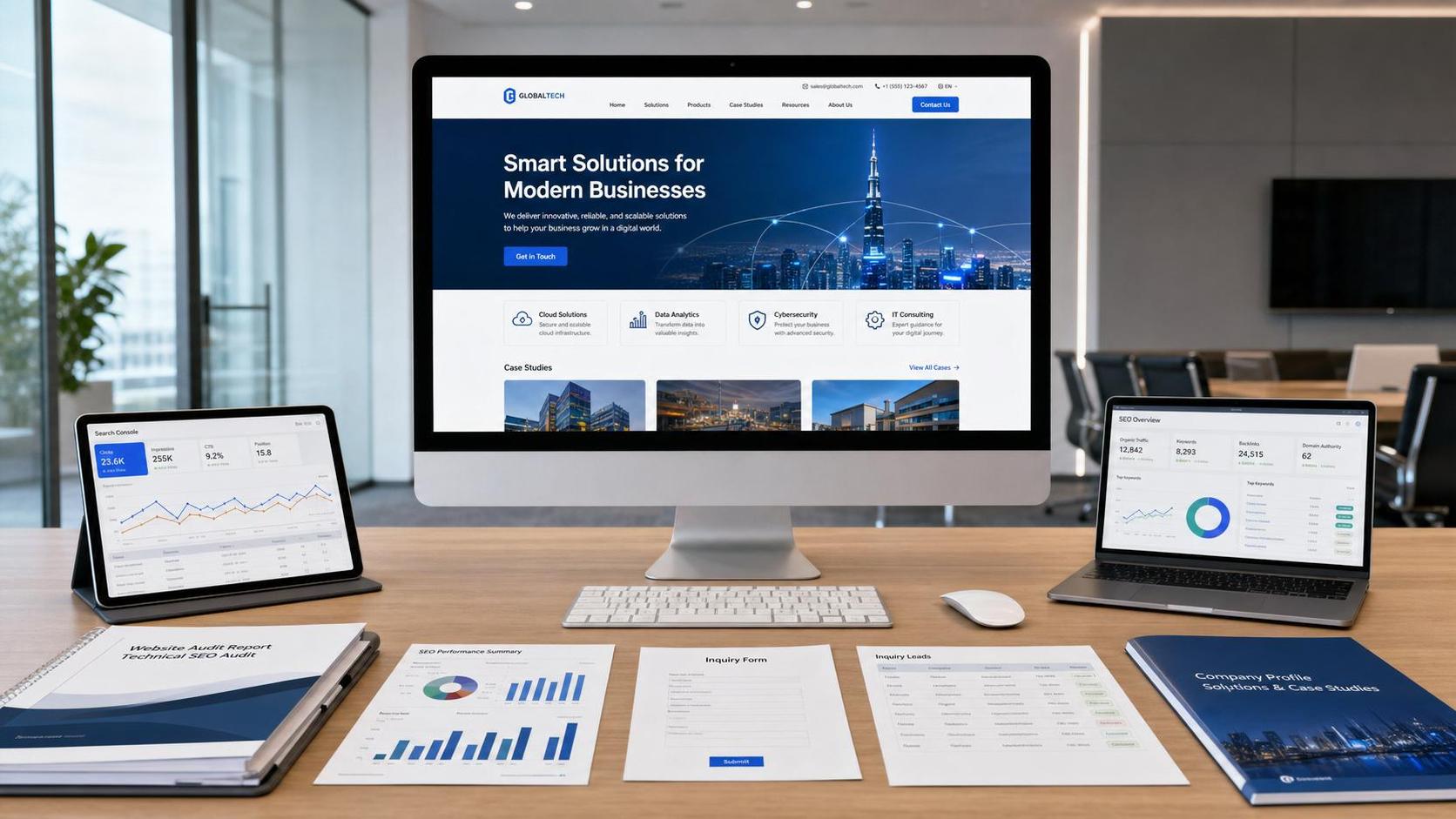
After launch, indexing, traffic sources, time spent on key pages, form submissions, and inquiry quality should be reviewed monthly, and content should be updated based on new products, exhibition plans, seasonal demand, and advertising data. For foreign trade companies, website operations usually need to be reviewed together with Google Ads, social media content, and sales follow-up.
Future foreign trade website development cases will place greater emphasis on multilingual localization, structured content, video and interactive materials, and content comprehensibility for generative search environments. Yiyingbao provides GEO operations, AI+SEO, AI+SEM, and AI+SNS services, helping companies connect website development with organic traffic, advertising-driven traffic, and social media reach as a long-term operational system.
VII. Total Cost of Ownership and Return on Investment Assessment
The total cost of ownership of a foreign trade website includes more than website development fees; it also includes domain names, servers or traffic, SSL, language versions, content preparation, images and videos, feature development, maintenance, promotion, and sales follow-up costs. Solutions with lower quotations but limited subsequent modifications, non-exportable data, or insufficient operational support may have higher long-term costs.
When evaluating return on investment, measurable goals can first be set, such as growth in organic traffic from key countries, advertising landing page conversion rates, the number of qualified inquiries, sample requests, or quotation opportunities. These can then be considered together with the average sales cycle, gross margin, and sales follow-up efficiency to determine whether the business opportunities generated by the website have actual commercial value.
A phased investment approach is recommended: first complete the core categories and inquiry closed loop, then expand multilingual pages, the content center, and advertising tests. Yiyingbao's integrated services can reduce coordination steps among multiple suppliers, but companies should clearly define content responsibilities, data viewing permissions, optimization frequency, and phased indicators so that every website and marketing budget can be continuously evaluated.
