
I. Definition and Industry Scope of Generative Engine Optimization
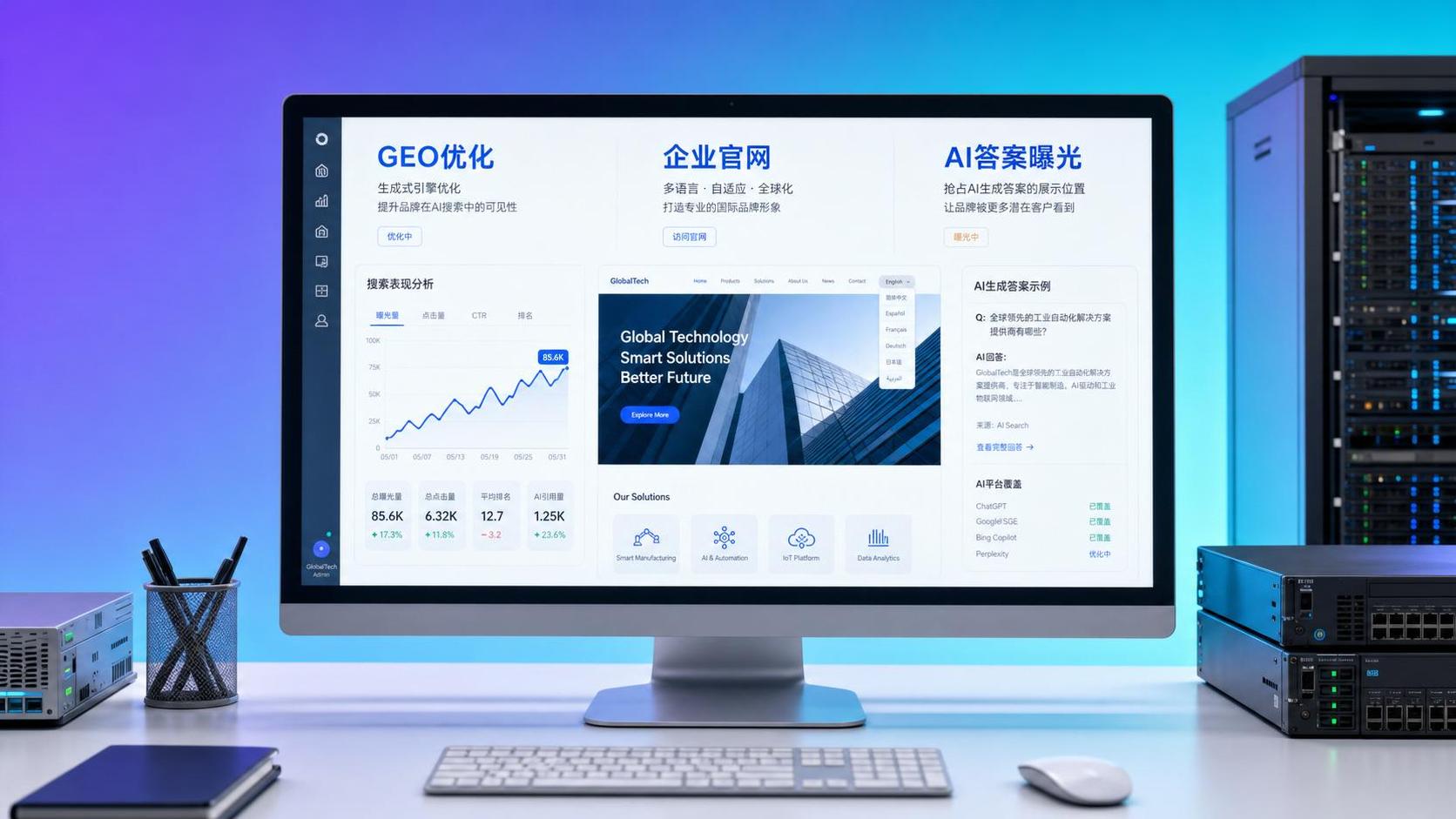
Generative Engine Optimization, commonly abbreviated as GEO, is an information optimization approach for generative search, intelligent Q&A, and AI summary scenarios. Its objective is not simply to compete for webpage rankings, but to make corporate entities, product capabilities, professional perspectives, and evidence easier for models to identify, understand, cite, and recommend.
It overlaps with traditional organic search optimization: both rely on crawlable websites, clear topics, and high-quality pages. However, Generative Engine Optimization places greater emphasis on answer structure, factual consistency, source credibility, Q&A coverage, and cross-page entity relationships, making it suitable for B2B procurement scenarios with high decision-making costs.
For foreign trade enterprises, GEO does not replace corporate websites, advertising, or social media. Instead, it organizes content accumulated through these channels into reusable long-term assets. Only when buyers directly inquire about suppliers, product specifications, application solutions, or market differences can enterprises establish a foundation for inclusion among candidate answers.
II. Technical Principles and Content Architecture
Generative engines typically synthesize webpage content, public information, contextual relationships, and user questions to generate answers. Pages need to clearly explain “who the company is, what it provides, who it is suitable for, and what it is based on,” avoiding the concealment of key facts in images, vague promotional language, or isolated downloadable files.
An effective architecture usually consists of brand introductions, product categories, product details, industry solutions, technical articles, case studies, FAQs, and contact conversion pages. Each layer should be connected using consistent terminology, such as models, materials, processes, application industries, service regions, and delivery capabilities, to reduce information conflicts.
Content should prioritize answering real questions throughout the procurement journey: how to select products, how to compare specifications, how to confirm minimum order quantities and delivery, what differences exist among markets, and how after-sales service is arranged. Tables, key points, Q&A, and verifiable descriptions help improve machine parsing efficiency while reducing visitors’ comprehension costs.
III. Main Categories and Suitable Users
By optimization target, Generative Engine Optimization can be divided into brand entity optimization, product and service page optimization, industry knowledge content optimization, Q&A content optimization, and multilingual market optimization. Entity optimization addresses “who it is,” product pages address “what it sells,” and knowledge content addresses “why it is trustworthy and how it is applied.”
Manufacturing factories, OEM/ODM companies, machinery and equipment suppliers, chemical companies, new energy enterprises, medical device suppliers, and industrial product suppliers are particularly suitable. These enterprises have long procurement cycles, and buyers repeatedly search for technical approaches, supply capabilities, compliance requirements, and comparable solutions. Authoritative content can continuously influence the early stages of decision-making.
Cross-border sellers and brand owners should focus on developing product attributes, usage scenarios, comparison guides, user reviews, and delivery policies. Yiyingbao's AI intelligent website building, multilingual independent websites, and GEO operations can centrally manage product pages, knowledge pages, and inquiry entry points, reducing content gaps across channels.
IV. Selection Criteria and Implementation Path
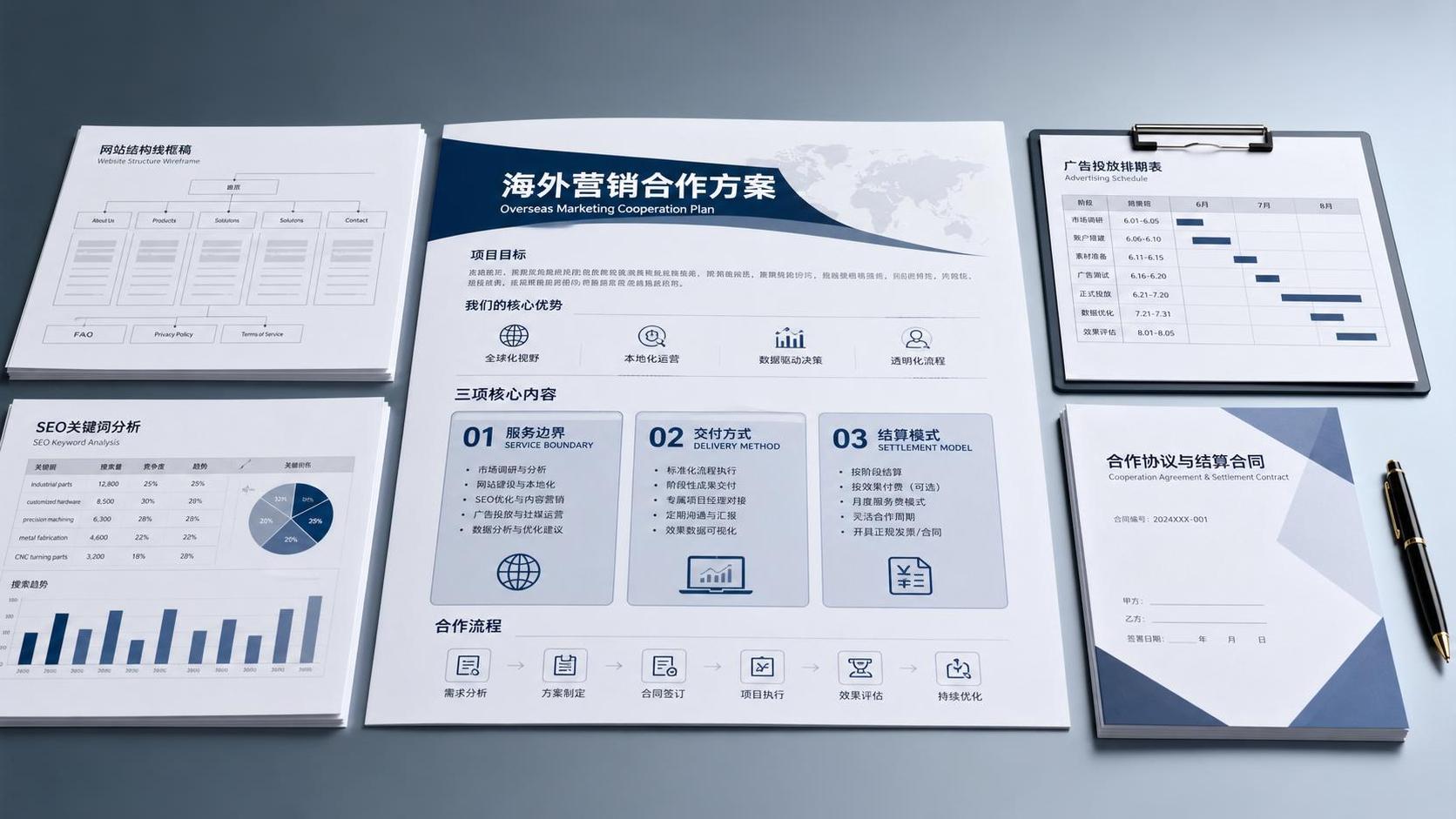
When procuring Generative Engine Optimization services, enterprises should first assess whether the service provider possesses capabilities in website structure, content production, internationalization, and data analysis. Simply publishing articles in bulk cannot resolve fundamental issues such as disorganized page relationships, insufficient product information, slow access speeds, or unclear lead paths.
Implementation should proceed in four steps: assess existing websites and high-value products, establish a keyword and procurement-question database, restructure core pages and structured Q&A, and continuously update based on indexing, traffic, citations, and inquiry data. Covering core product categories and priority countries first is usually more effective than distributing efforts evenly.
Yiyingbao uses a responsive architecture, supports multi-device display, and provides multilingual paths, content management, AI-assisted copywriting, and overseas access acceleration capabilities. When selecting a provider, enterprises should still require clear delivery lists, content review responsibilities, data permissions, and periodic review methods, avoiding the assumption that tool capabilities are equivalent to operational results.
V. Application Scenarios, Operating Cycles, and Marketing Closed Loop
When launching a new website, Generative Engine Optimization should be planned in parallel with the site's information architecture. When entering a new national market, the corresponding language, regional preferences, and procurement questions should be added. During new product launches, before and after trade shows, and throughout advertising campaigns, dedicated pages and FAQs are suitable for addressing concentrated search demand.
Yiyingbao has served industries including laser engraving machines, steel, chemicals, heavy-duty trucks, machinery, and new energy, and has also covered cases such as Haier, Aucma, Shandong Airlines, Yuanhe Power Station, Little Duck Group, and SINOTRUK. Different enterprises should not copy priorities directly, but should set content priorities based on their own products, markets, and sales processes.
Operationally, enterprises can review the factual accuracy of core pages, link validity, changes in keyword questions, and lead quality monthly, and update solutions and case studies quarterly. GEO should work in coordination with Google SEO, Google Ads, Facebook advertising, and social media platforms such as LinkedIn and TikTok, allowing advertising to validate demand, content to build trust, and websites to complete inquiry conversion.
VI. Cost Structure, Return on Investment, and Future Trends
The total cost of ownership of Generative Engine Optimization typically includes website renovation, multilingual development, content research and review, technical configuration, ongoing operations, and data analysis. The number of products, number of languages, target countries, industry specialization, and completeness of internal materials can all significantly affect project investment and implementation timelines.
Returns should not be evaluated solely by short-term rankings, but in combination with organic traffic growth, the proportion of qualified inquiries, sales follow-up efficiency, advertising landing page conversion, and content reuse rates. For B2B enterprises, content templates can first be developed for categories with high margins, high repurchase rates, or high inquiry value, and coverage can then be expanded based on data.
In the future, AI search will place greater emphasis on verifiable facts, professional sources, multimodal information, and localized expression. Yiyingbao has released the Cloud Intelligent Website Building Marketing System V6.0, the AI Foreign Trade Independent Website Marketing System V5.0, and the Cloud Intelligent Multilingual Website Building System V1.0. Enterprises can use an integrated platform to continuously maintain content assets and adjust their customer acquisition mix according to market changes.
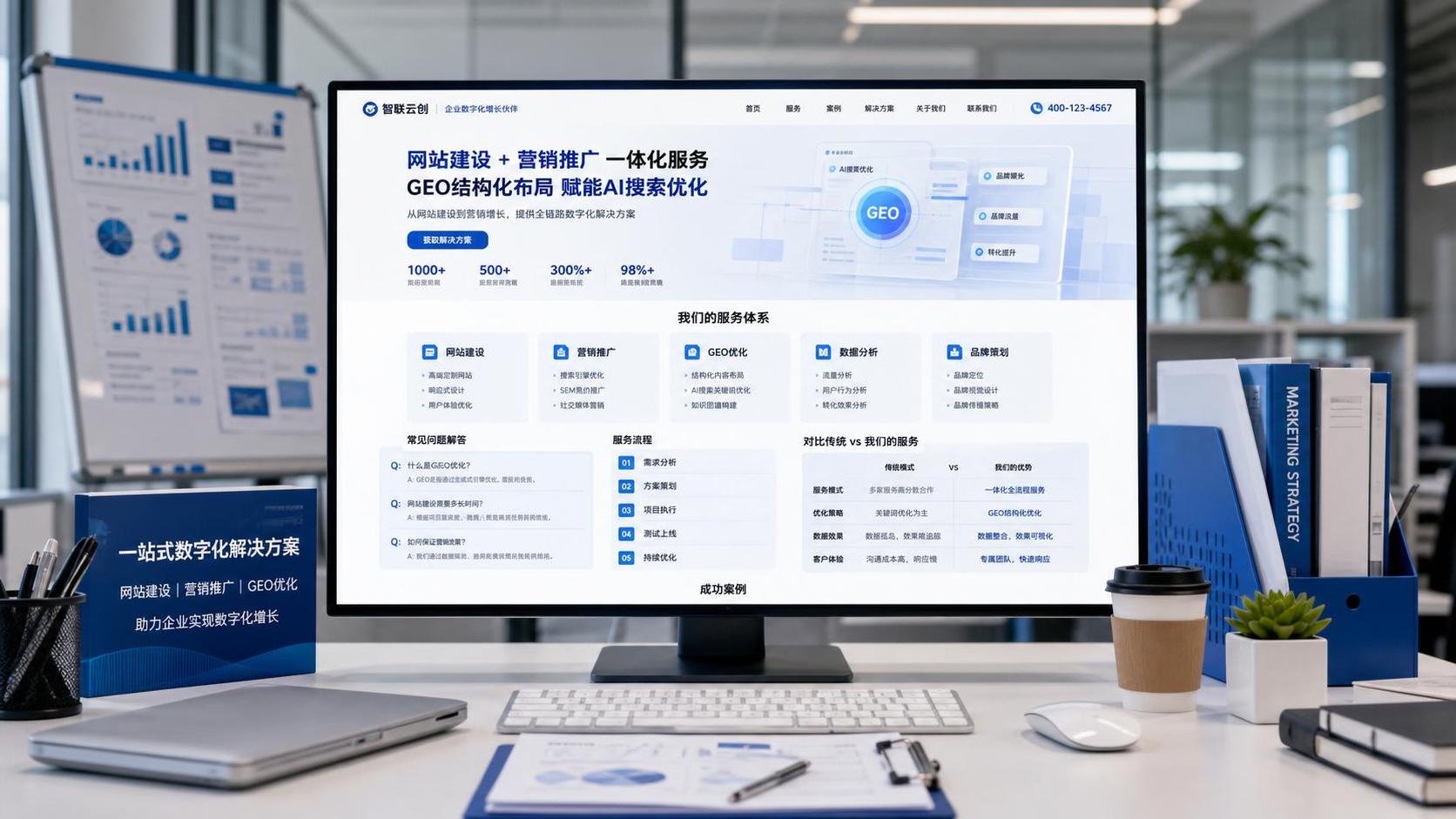
 How to do AI search recommendation optimization? Practical approaches from indexing logic to content layoutHow to do AI search recommendation optimization? This article breaks down practical methods for improving AI recommendation exposure for corporate official websites, from indexing logic、 semantic matching to page layout, helping you build a content system that is easier to discover、 understand and cite。
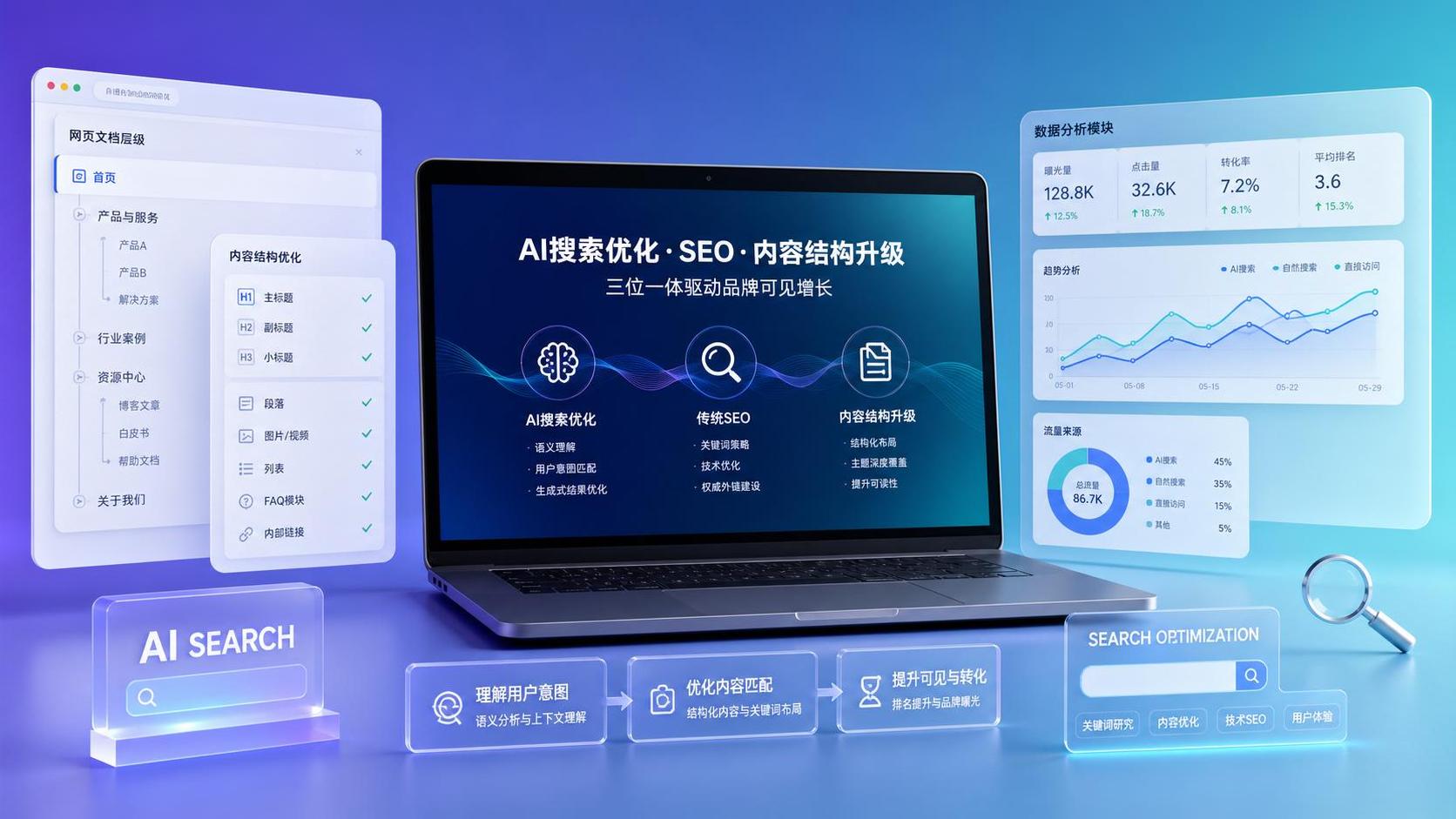
 How should GEO structured content be laid out to make it easier to be cited in AI search answersHow should GEO structured content be laid out to make it easier to be cited in AI search answers? This article analyzes a practical method from page-level structure, semantic organization, evidence support to conversion handoff, helping businesses improve AI citation rates and marketing lead generation results.
 How can brands appear in AI assistant answers? Which pages should be created first for structured content?How can a brand appear in AI assistant answers? The key lies in the clarity and readability of structured content. This article analyzes the priority order for building your homepage, service pages, case study pages, and Q&A pages, helping businesses improve AI citation rates, SEO visibility, and overseas customer acquisition conversions.
 What services are included in an independent website optimization service? How are technical, content, and conversion optimization tasks divided?What services are included in independent website optimization? This article breaks down the division of labor from three dimensions: technology, content, and conversion, helping businesses understand the key paths to increase indexing, traffic, and inquiries, and improve website customer acquisition efficiency and return on investment.
 How to Choose an AI Website Building Platform for Cross-Border E-commerce? Template Capabilities, SEO Permissions, and Extensibility ComparisonHow to choose an AI website building platform for cross-border e-commerce? Don't just look at the templates. Focus on comparing SEO permissions, URL and multilingual capabilities, interface expansion, and long-term operating costs to help businesses build a sustainable foundation for customer acquisition and growth on their independent websites.
 How to calculate AI SEO content generation pricing? Is it by article, by word, or by project?How is AI SEO content generation pricing determined more reasonably? This article explains the pros and cons of the three pricing models: by article, by word, and by project, helping you determine which is more suitable for SEO indexing, traffic growth, and inquiry conversion. A must-read before purchasing.
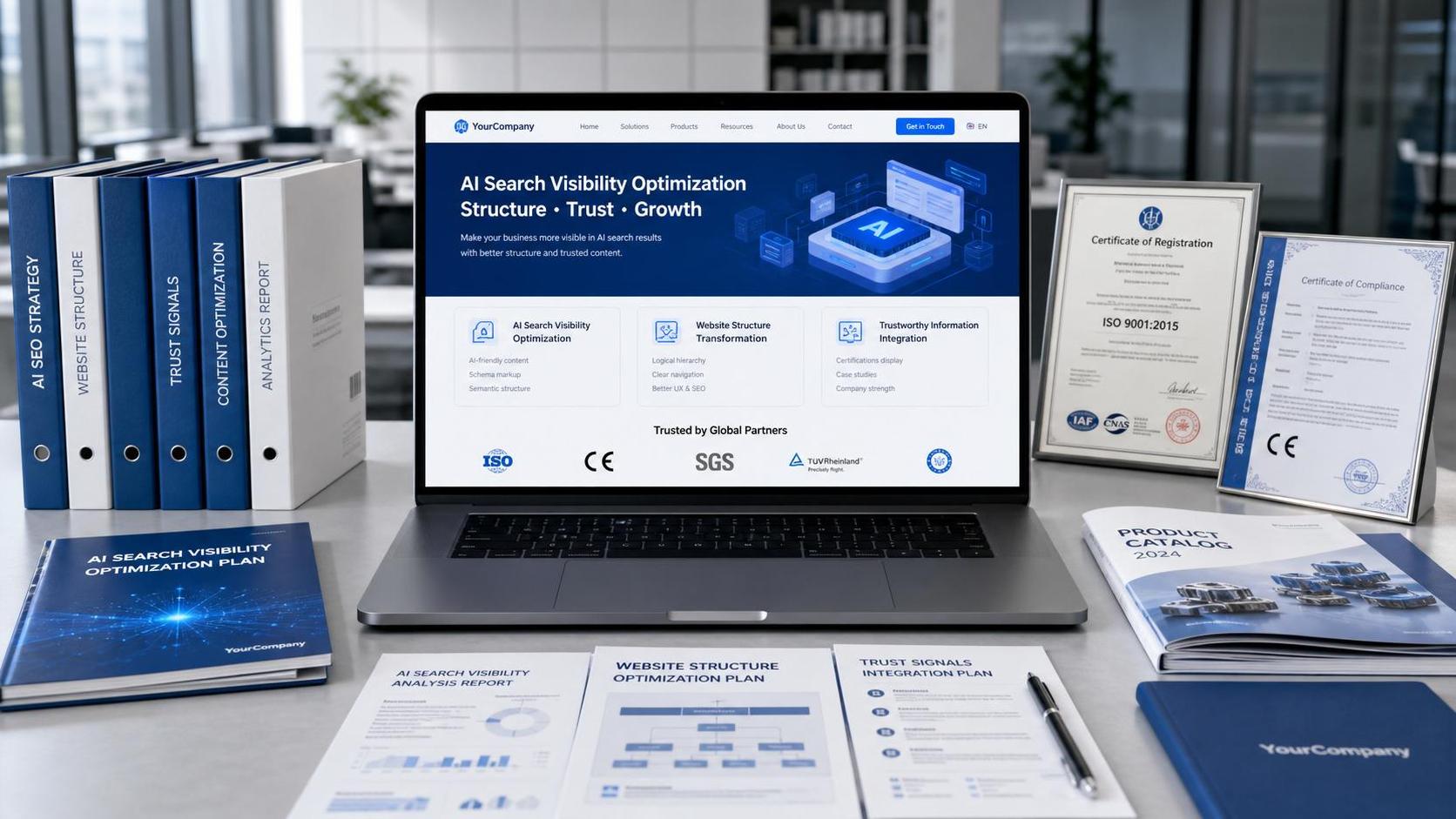
 How to optimize AI search visibility? Page redesign methods to increase citations for foreign trade websitesHow to optimize AI search visibility? This article focuses on foreign trade website page redesign, from structure organization, FAQ content arrangement to trust signal enhancement, teaching you how to improve AI citation rates, increase exposure, and boost inquiry conversions.
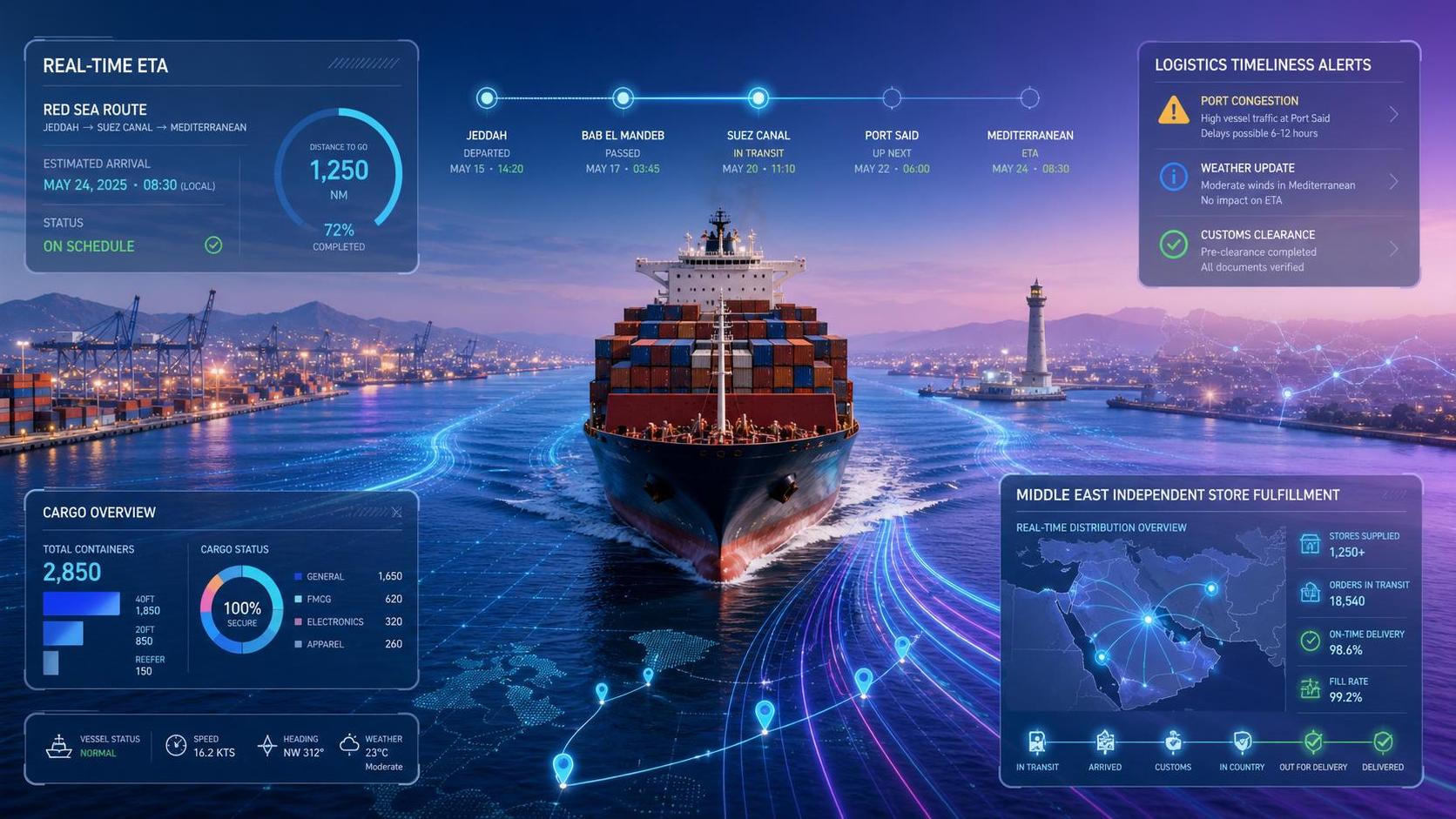
 Red Sea Shipping’s New Agreement Takes Effect, Middle East Independent Site Timeliness Alert UpgradeRed Sea Shipping’s New Agreement Takes Effect, Middle East Independent Site Timeliness Alert Upgrade. Focus on real-time ETA interfaces, Suez route delay and frontend delivery commitment changes to help foreign trade companies, freight forwarders, and independent site operators quickly understand fulfillment risks and response directions.