

I. Definition and Business Scope of Channel Partnerships
Channel partnerships are long-term collaborative relationships established between enterprises and website-building platforms, marketing service providers, agents, or industry partners around customer reach, demand fulfillment, delivery operations, and revenue sharing. In the integrated website and marketing services industry, this is not simply referral-based business; it is a collaborative mechanism with digital assets and customer acquisition results as shared objectives.
Core deliverables typically include website development, multilingual content, search optimization, advertising, social media outreach, lead management, and operational reviews. All parties need to clearly define customer ownership, service scope, data permissions, response times, and settlement rules to prevent gaps in responsibility across promotion, content, and inquiry handling after the website goes live.
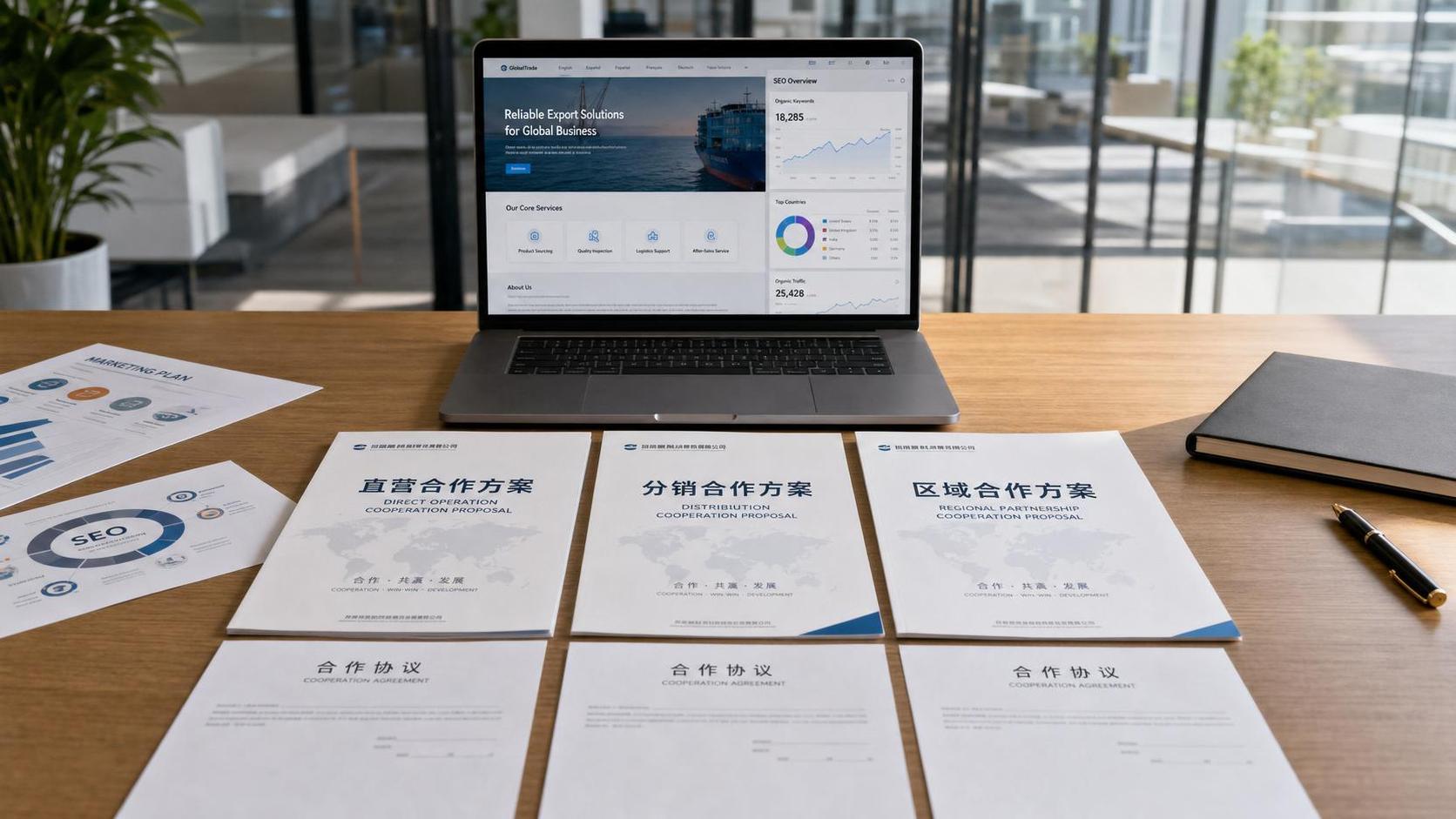
Based on the depth of collaboration, channel partnerships can be divided into product distribution, joint delivery, regional agency, co-development of industry solutions, and customer success collaboration. For foreign trade B2B businesses with high average order values and long decision cycles, a continuous service model of “website development + traffic generation + conversion operations” is more suitable than one-time project procurement.
II. How Integrated Website and Marketing Services Work
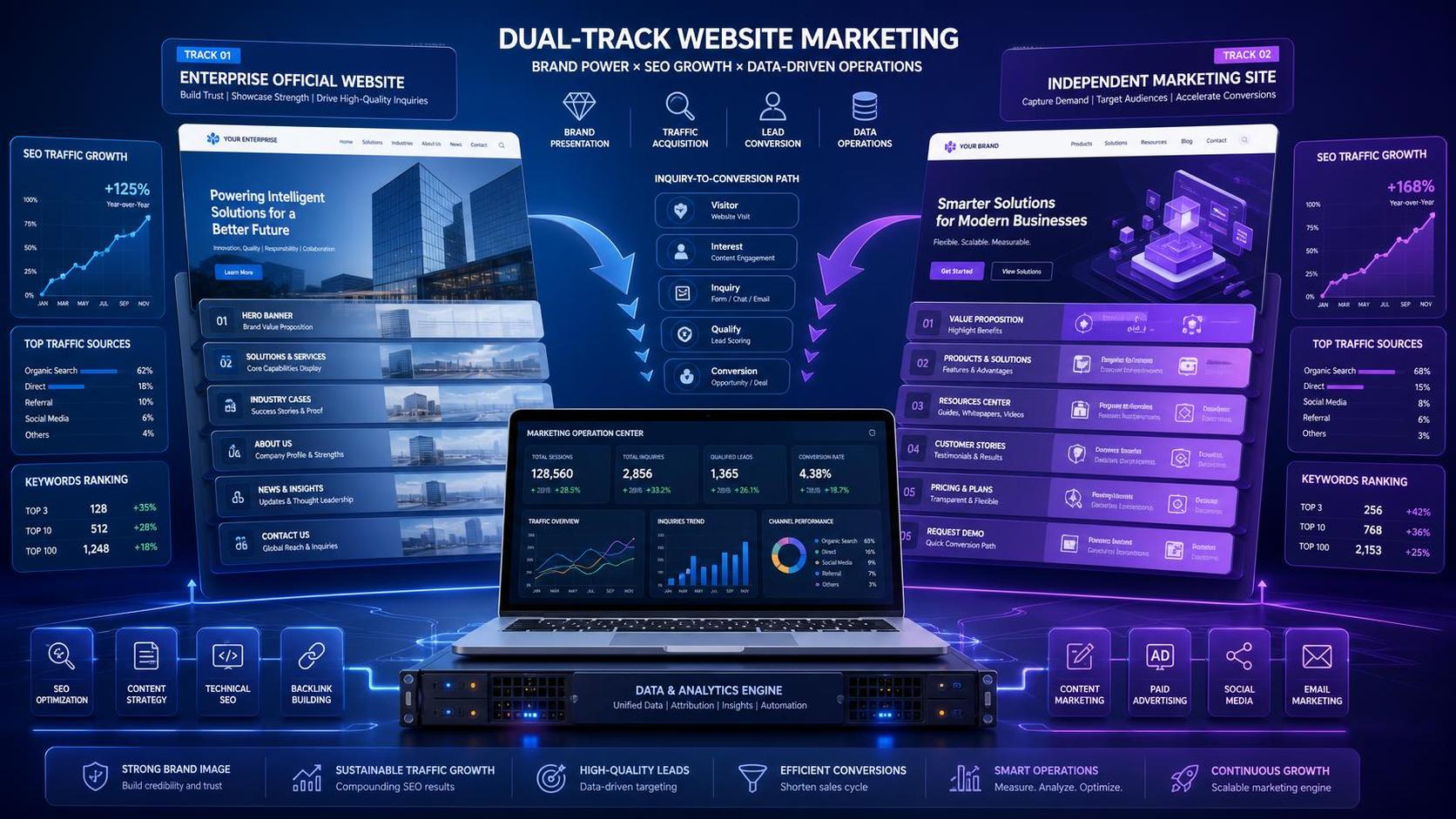
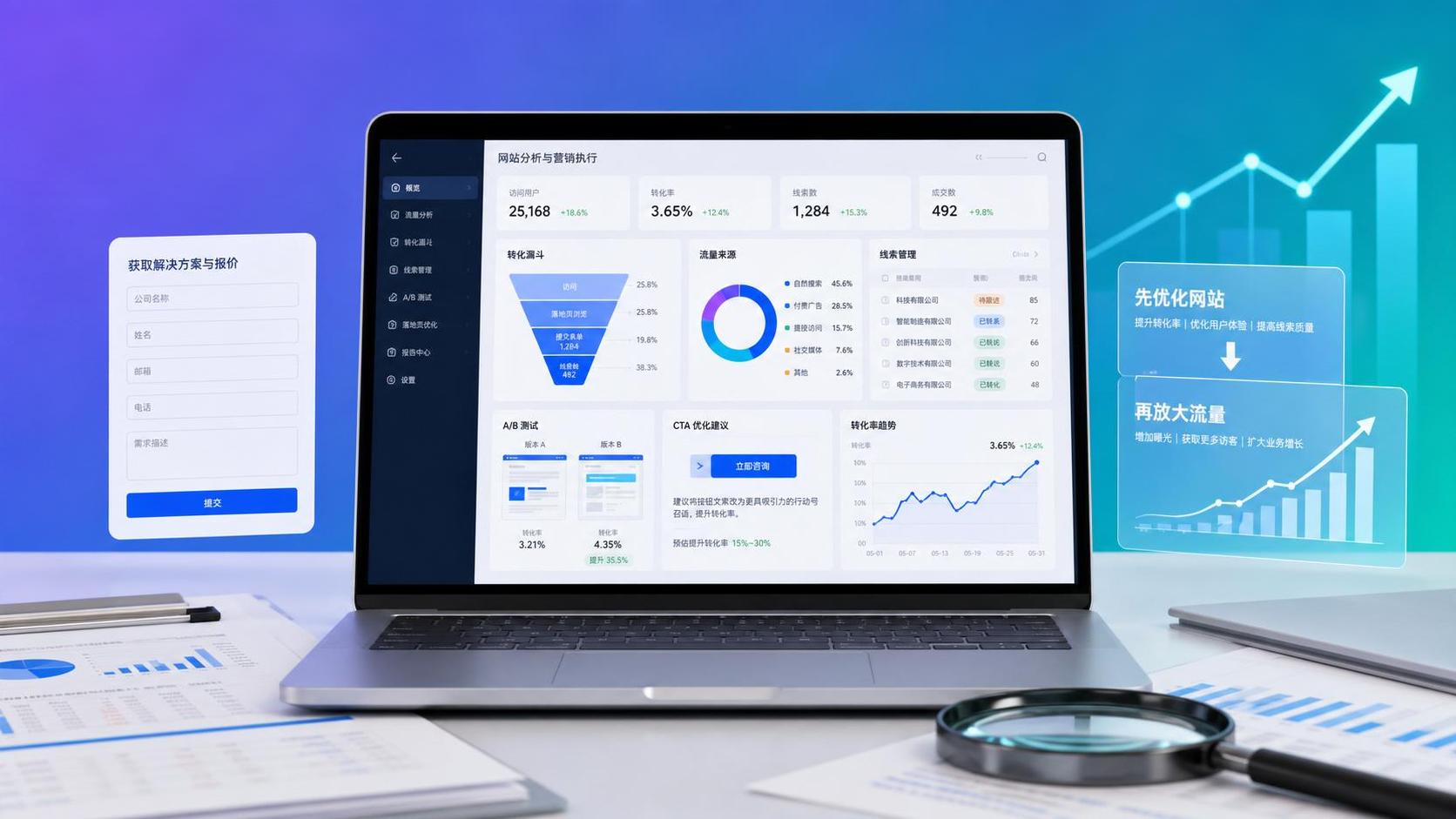
Integrated channel partnerships use an independent website as the hub for data and content: product pages, industry pages, case study pages, and inquiry pages receive traffic from search, advertising, and social media, then generate trackable leads through forms, email, instant communication tools, or order flows. A website is not merely a display window; it is also the unified landing destination for all marketing channels.
At the technical level, responsive pages, content management, multi-device access speed, language paths, basic security, and data analytics must all be considered. Multilingual websites should also properly configure language versions and regional content to avoid buyer reading barriers, duplicate pages, or inaccurate market messaging caused by mechanical translation alone.
Operationally, keyword research and the customer journey serve as the starting point for continuously optimizing content, ad copy, audiences, landing pages, and conversion entry points. AI can improve the efficiency of first-draft generation, keyword expansion, and asset organization, but industry terminology, product specifications, compliance statements, and sales commitments should still be reviewed and confirmed by the enterprise.
III. Main Channel Partnership Models and Applicable Organizations
Product-based partnerships are suitable for consulting firms, trade service providers, or local service organizations. Partners recommend AI-powered website building, domain names, SSL certificates, and basic operational services, while the platform provides the system and technical support. This model can be launched quickly, but customer renewals, after-sales interfaces, and brand presentation methods should be agreed upon in advance.
The joint delivery model is suitable for organizations that have customer resources but lack overseas digital marketing teams. Partners are responsible for industry insights, business communication, or customer relationships, while service providers handle website development, SEO, advertising, and data analysis. Both parties jointly define target markets, product priorities, and lead qualification standards, making delivery quality easier to standardize.
Co-development of industry solutions is suitable for specialized sectors such as machinery, chemicals, new energy, medical devices, and building materials. Partners can accumulate industry keywords, procurement questions, certification materials, and case study assets, which technical and operations teams then transform into website structures and marketing content, gradually turning channel partnerships into replicable vertical solutions.
IV. How to Evaluate Service Providers and Partnership Plans
Buyers should first confirm their objectives: whether to build a branded corporate website, acquire B2B inquiries, develop cross-border retail, or enter new language markets. Different objectives require different website functions, content depth, advertising budgets, and service periods. Comparing only website development quotes often overlooks the critical investment required for subsequent operations and conversion.
Key selection criteria include system scalability, content control, page editing efficiency, multilingual capabilities, data export capabilities, access stability, and service boundaries. Buyers should also require service providers to clarify project milestones, asset checklists, number of revisions, go-live acceptance items, issue response mechanisms, and how accounts and data will be handled when a client ends the partnership.
Yiyingbao provides combined services for AI-powered website building, multilingual independent websites, SEO, advertising, social media, and website operations, making it suitable for enterprises that need unified management of website development and overseas customer acquisition. Its responsive architecture, generative content assistance, and global node deployment can be used as evaluation criteria, but specific results still depend on industry competition, asset quality, and ongoing execution.
V. Implementation Process and Quality Control for Channel Partnerships
Projects should begin with market diagnostics to define target countries, priority products, buyer roles, competing pages, and existing customer acquisition issues. This should be followed by completion of the sitemap, language plan, keyword grouping, page prototypes, and content responsibility matrix. For industrial product enterprises, specifications, application scenarios, delivery capabilities, and after-sales information should take priority over generalized brand copy.
During the development stage, mobile compatibility, form testing, link checks, page loading checks, language switching checks, and analytics configuration verification should be performed. Before driving traffic through advertising or social media, ensure that the landing page's product information, trust elements, inquiry entry points, and advertising commitments are consistent, preventing mismatched information after clicks from reducing lead quality.
After launch, it is recommended to review indexing, organic traffic, advertising spend, conversion paths, qualified inquiries, and sales feedback on a monthly basis. Quality control for channel partnerships should not focus solely on traffic volume; it should also track inquiry sources, target markets, product fit, and follow-up results. For low-quality leads, audiences, keywords, form thresholds, and page messaging should be reviewed simultaneously.
VI. Application Scenarios, Case References, and Market Access
Manufacturing plants can quickly establish multilingual product catalogs and inquiry websites through channel partnerships, bringing together trade show business cards, sales outreach, and overseas search traffic on a unified website. Trading companies, meanwhile, can build solution pages around specific procurement needs, highlighting supply chain integration, delivery time communication, and quality control capabilities to reduce price competition caused by homogeneous product displays.
Yiyingbao's services cover industries including laser engraving machines, steel, chemicals, heavy-duty trucks, machinery, new energy, automobiles, agriculture, healthcare, and furniture, and it has served enterprises such as Haier, Aucma, Shandong Airlines, Yuanhe Power Station, Little Duck Group, and Sinotruk. Actual projects should be subject to the scope of client authorization, industry requirements, and publicly available materials; cases should not be directly regarded as commitments of future performance.
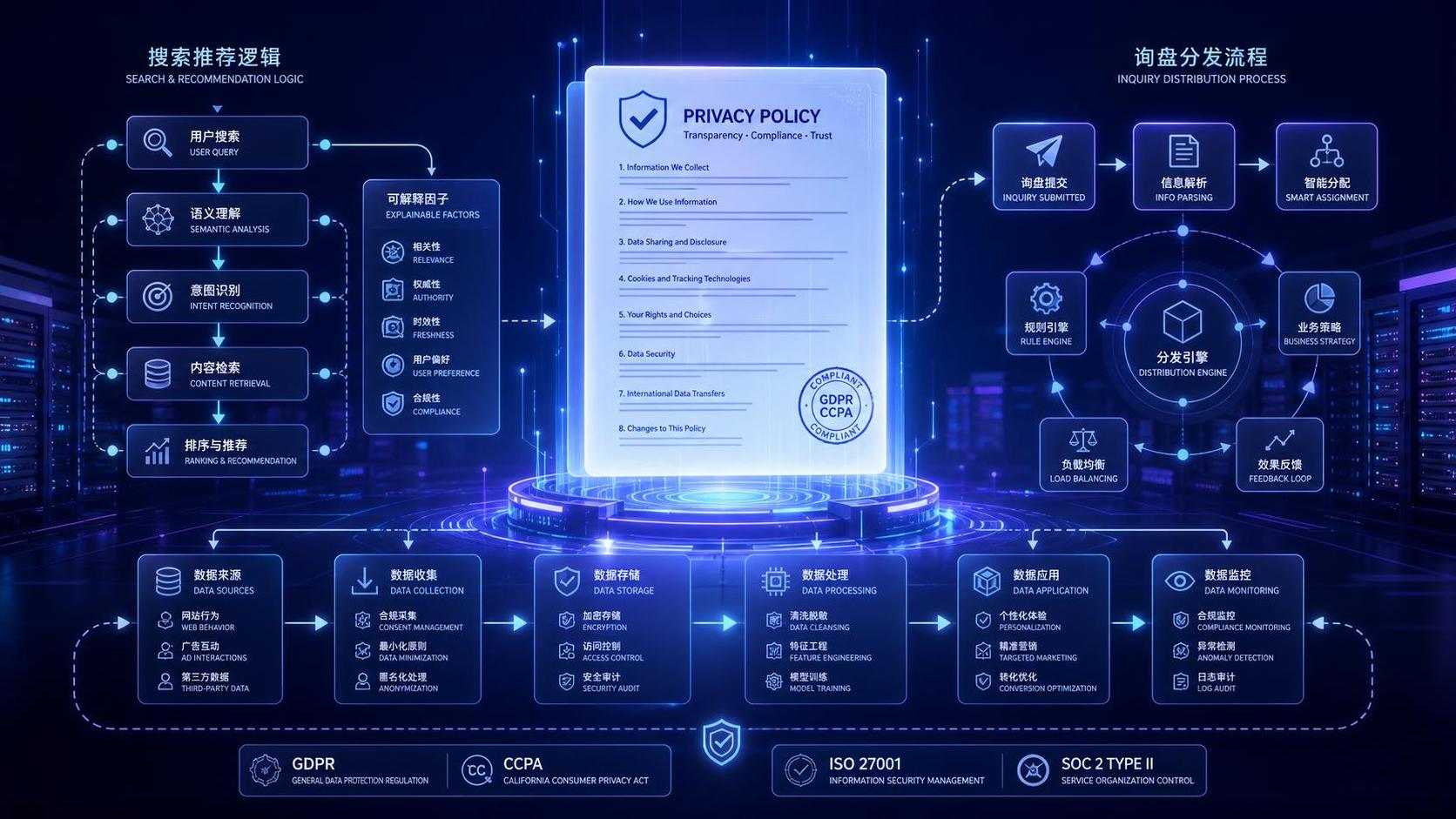
When entering overseas markets, website content must address product labels, qualification descriptions, privacy policies, data collection notices, and industry rules in the target market. Regulated industries such as medical devices should particularly verify the consistency of conformity declarations and product information across different language versions, with final review completed by the enterprise's legal, quality, or compliance teams.
VII. Total Cost of Ownership, Return Assessment, and Future Trends
The total cost of ownership of channel partnerships includes website development configuration, content organization and translation, domain name and security resources, advertising media costs, operational service fees, internal staffing input, and sales follow-up costs. Low-cost website development may reduce initial expenditure, but may increase later costs due to insufficient content, limited redesign options, or fragmented data. Budgets should therefore be assessed over a period of more than one year.
Return on investment should be calculated based on the number of qualified inquiries, lead conversion rate, sales cycle, average order value, and customer repurchase rate. It is recommended to first select one priority market and a group of key products for a pilot, optimize pages and campaigns using verifiable data, and then expand into additional languages, countries, and product lines. The sales team must promptly record lead outcomes to enable an accurate ROI assessment.
Future channel partnerships will place greater emphasis on first-party data, automated operations, multilingual localization, and generative search visibility. Enterprises need to continuously build verifiable product documentation, Q&A content, industry knowledge, and customer case studies so that search engines, AI Q&A tools, and overseas buyers can all understand the brand more accurately. Consistent content governance and data collaboration will become the primary sources of long-term partnership value.
 What is the difference between a multilingual corporate website and a standard foreign trade website? Understand the value from the customer acquisition pathHow is a multilingual corporate website different from a standard foreign trade website? This article analyzes the core value from the perspectives of customer acquisition paths, search indexing, advertising support, localized content, and long-term ROI, helping companies determine which type of official website is more suitable for overseas growth.
 What is the difference between a B2B corporate website and an independent website?What exactly is the difference between a B2B corporate website and an independent website? This article provides an in-depth analysis from the perspectives of brand presentation, SEO customer acquisition, advertising conversion, data tracking, and conversion capabilities, helping businesses quickly determine whether a corporate website, an independent website, or an integrated website marketing solution is more suitable.
 Which Types of Backlinks Are Higher Quality for an International Trade Website?Which types of backlinks are high quality for an international trade website? The key factors are relevance, authority, and traffic value. This article breaks down high-quality backlink types such as industry media, directories, and guest posts to help improve rankings, indexing, and inquiry conversions.
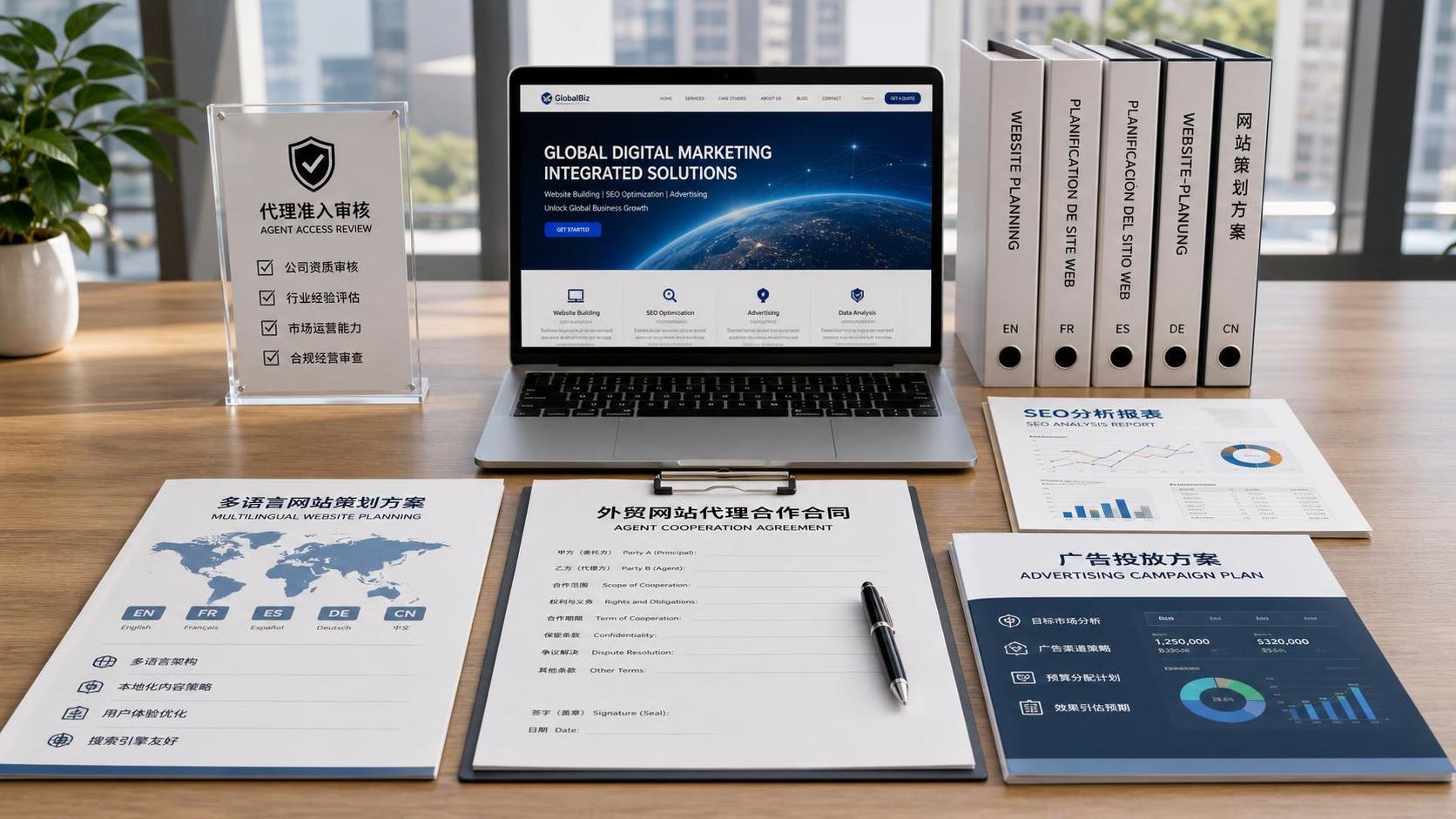
 What Are the Requirements and Thresholds for Becoming a Foreign Trade Website代理?What are the requirements and thresholds for becoming a foreign trade website代理? Don’t focus only on franchise fees and rebates; pay more attention to product capabilities, training support, delivery capabilities, renewal mechanisms, and overseas marketing implementation results to identify a partnership model that can truly win orders, deliver successfully, and generate sustainable profits.
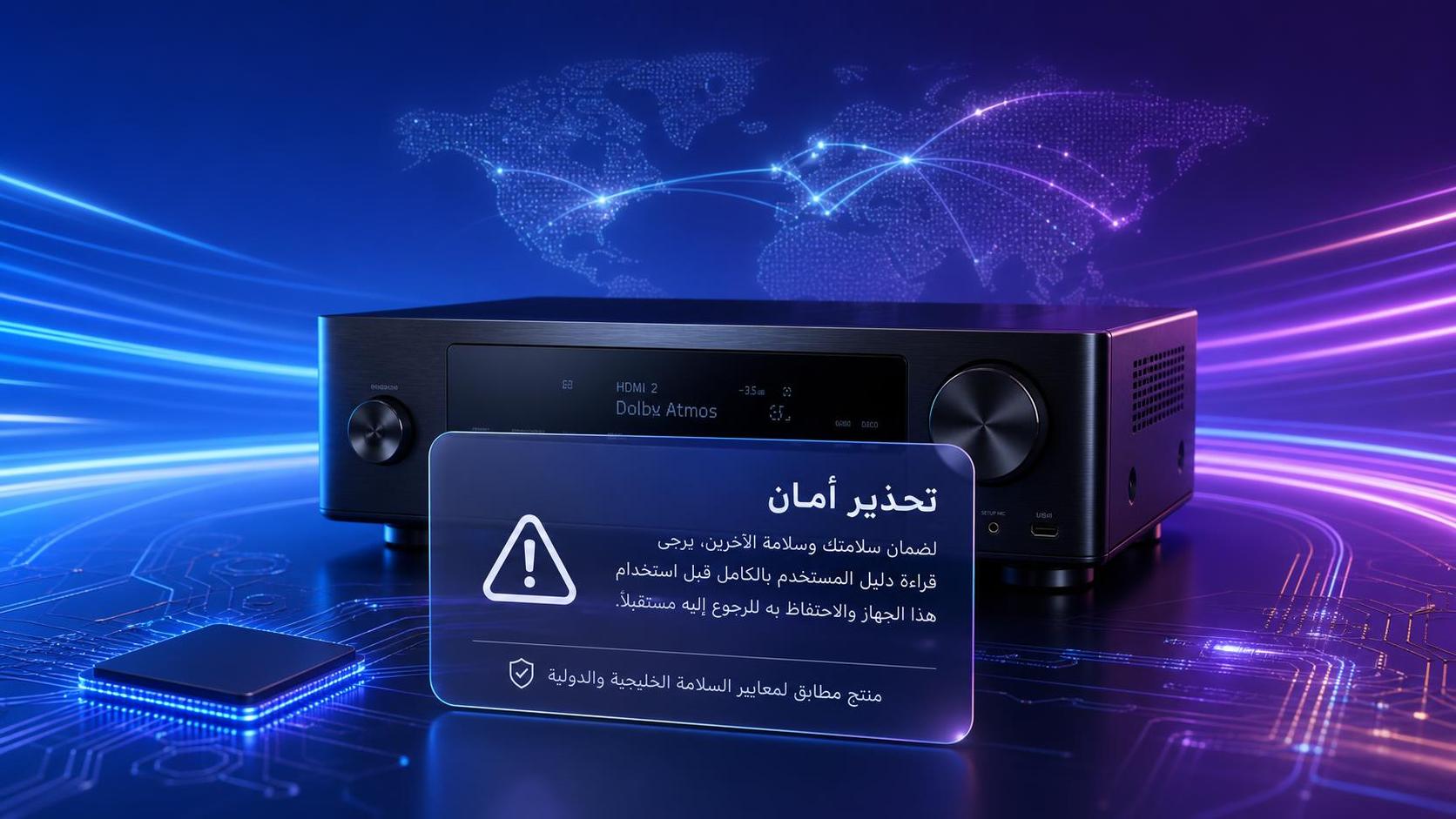
 GCC Regulations Take Effect: Standalone Websites for Audio and Video Equipment Must Add Arabic Warning Pop-upsGCC regulations have taken effect, requiring standalone websites for audio and video equipment to add Arabic warning pop-ups. This article analyzes the impact of the new GSO requirements on website localization, page compliance, distribution partnerships, and cross-border marketing, helping sellers quickly assess risks and make rectifications in advance.