










I. Definition and Scope of Overseas Marketing Partnerships
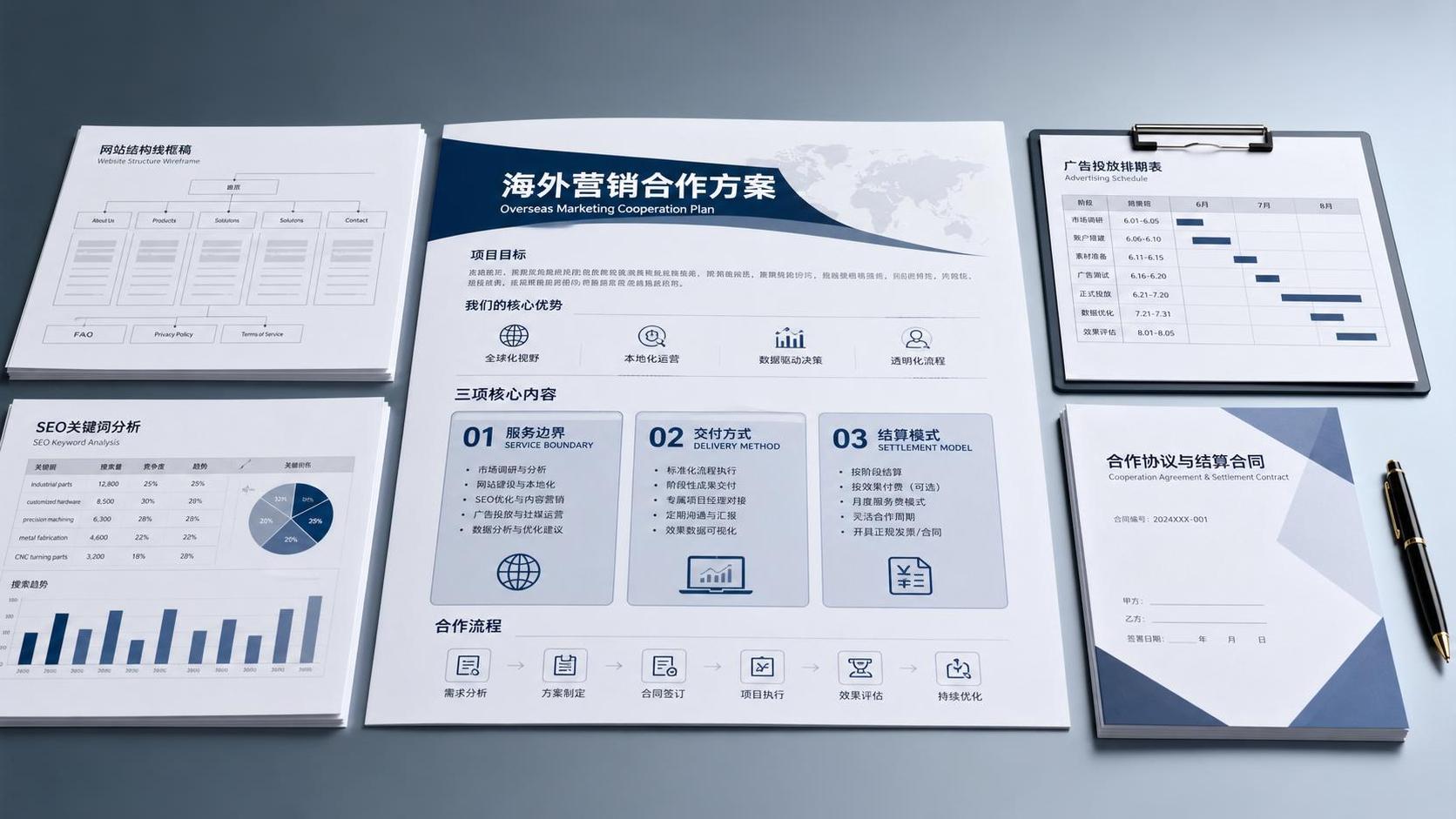
An overseas marketing partnership is a project-based or ongoing collaboration between an enterprise and providers of website development, promotion, content, data, or channel services, jointly focused on acquiring overseas customers. Deliverables should not be limited to launching a website or activating advertising campaigns; they should cover target market research, touchpoint development, traffic acquisition, lead handling, and performance reviews.
In B2B export scenarios, target audiences typically include purchasing managers, engineering teams, distributors, or project decision-makers, and decision-making cycles are relatively long. Therefore, official websites, product materials, qualification certificates, case studies, and communication channels need to form a consistent chain of evidence to support customers in completing initial screening and making inquiries.
The scope of cooperation should be clarified before signing the contract: which channels, accounts, and pages the service provider is responsible for; which product materials, pricing rules, and sales feedback the enterprise provides; how leads are defined; and how data ownership and handover are handled. Clear boundaries help prevent traffic, inquiries, and closed deals from being confused with one another.
II. How Market Entry Works and Its Basic Standards
Overseas market entry generally follows the path of “market assessment, digital asset development, channel testing, conversion optimization, and scaled replication.” Priority countries are first determined based on product fit, competitive intensity, logistics, and compliance conditions, followed by deciding whether visits will be handled through an inquiry-focused website, a brand website, an online store, or dedicated landing pages.
Basic technical standards include responsive pages, accessible servers and HTTPS, clear website navigation, searchable product information, forms or instant communication channels, and trackable visit and conversion events. Multilingual websites should also include internationalization configurations such as language paths, regional content, and hreflang.
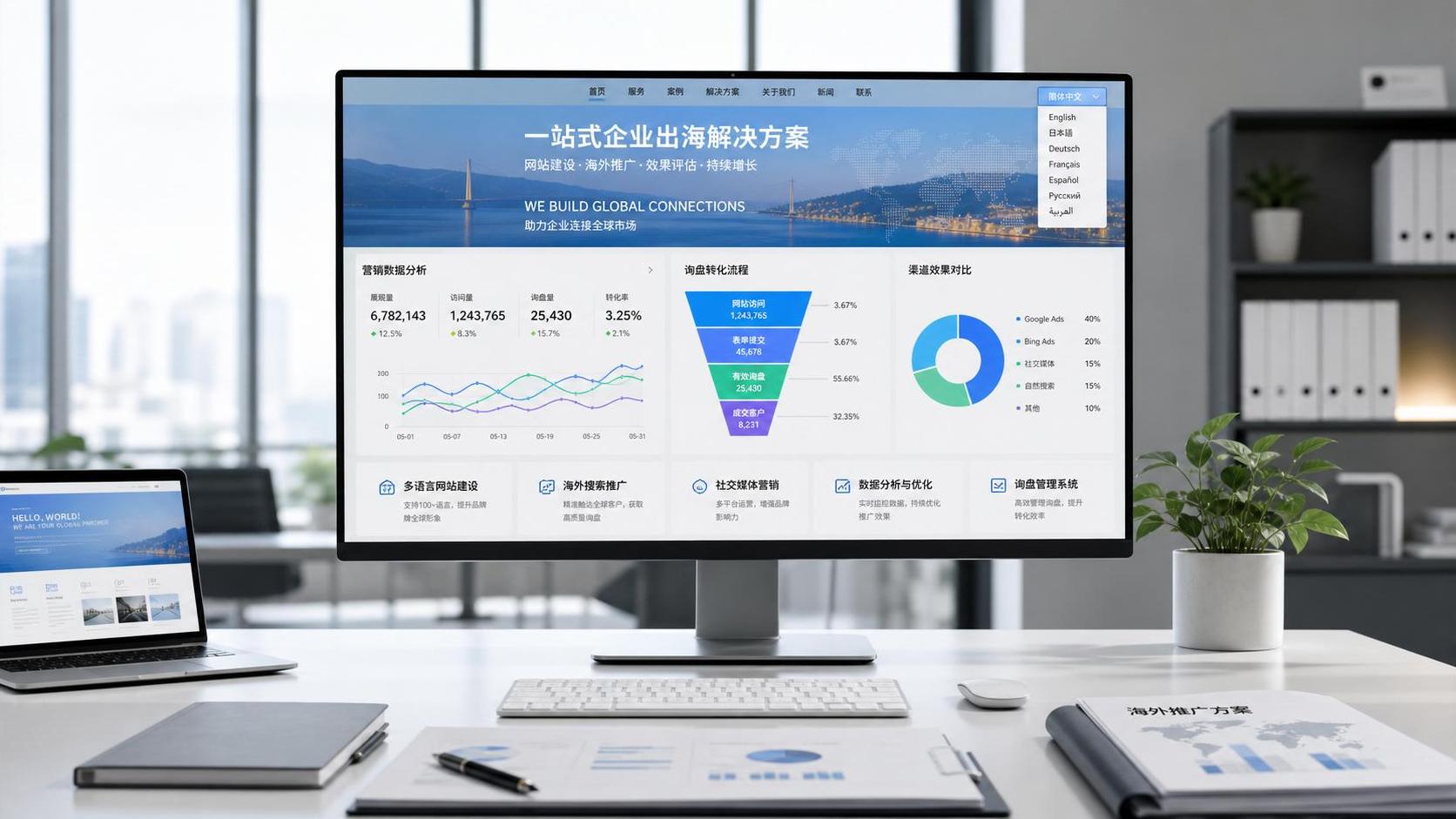
Yiyingbao provides combined services for AI-powered website development, multilingual standalone websites, and ongoing operations, suitable for enterprises that need unified management of their websites and marketing activities. Its materials indicate that the platform uses a responsive architecture and can be combined with global node deployment; purchasers should still verify actual speed testing in target countries, data permissions, and launch acceptance requirements.
III. Main Overseas Marketing Partnership Models and Channel Categories
Under the managed services model, the service provider carries out the daily work of website development, content, advertising, or social media management. This model is suitable for enterprises lacking specialist teams and seeking a rapid start. Enterprises should retain administrator access to their accounts and regularly provide product updates, sales follow-up results, and market feedback to avoid disconnects between execution and sales.
The consulting model is more suitable for enterprises that already have market, sales, or operations personnel. The service provider provides strategy, training, review, and data diagnosis, while the internal team is responsible for implementation. This model places higher demands on enterprise coordination capabilities, but it helps accumulate channel knowledge, content assets, and long-term operational capabilities.
Performance-based pricing is common in partnerships priced on qualified leads, appointments, or orders, but invalid leads, duplicate leads, attribution windows, and review deadlines must be defined in advance. In terms of channels, search optimization is suitable for handling long-term demand, search advertising is suitable for rapid testing, social media such as LinkedIn is suitable for reaching specific audiences, and content and email are more suitable for ongoing nurturing.
IV. Which Enterprises Are Suitable for Overseas Marketing Partnerships
Manufacturing factories, OEM/ODM companies, industrial product suppliers, and foreign trade companies are suitable for building marketing-oriented websites centered on product catalogs, application solutions, factory capabilities, and inquiry forms. High-value industries such as machinery, hardware, building materials, chemicals, and new energy should also include technical parameters, quality control, and after-sales response information.
Cross-border sellers and DTC brands can reduce their dependence on traffic from a single platform through standalone websites, but they must also assess their capabilities in product management, payment, logistics, returns and exchanges, and customer service. The value of overseas marketing partnerships lies in keeping advertisements, social media content, and product or campaign pages consistent, rather than purchasing traffic in isolation.
Enterprises that already have trade shows, existing customers, or platform orders are also suitable for initiating partnerships. Offline channels can provide customer language and real questions, while online channels can turn this information into keywords, case studies, FAQs, and remarketing materials, gradually shifting business development from one-time outreach to the accumulation of reusable digital assets.
V. Evaluation Criteria and Acceptance Methods for Selecting Service Providers
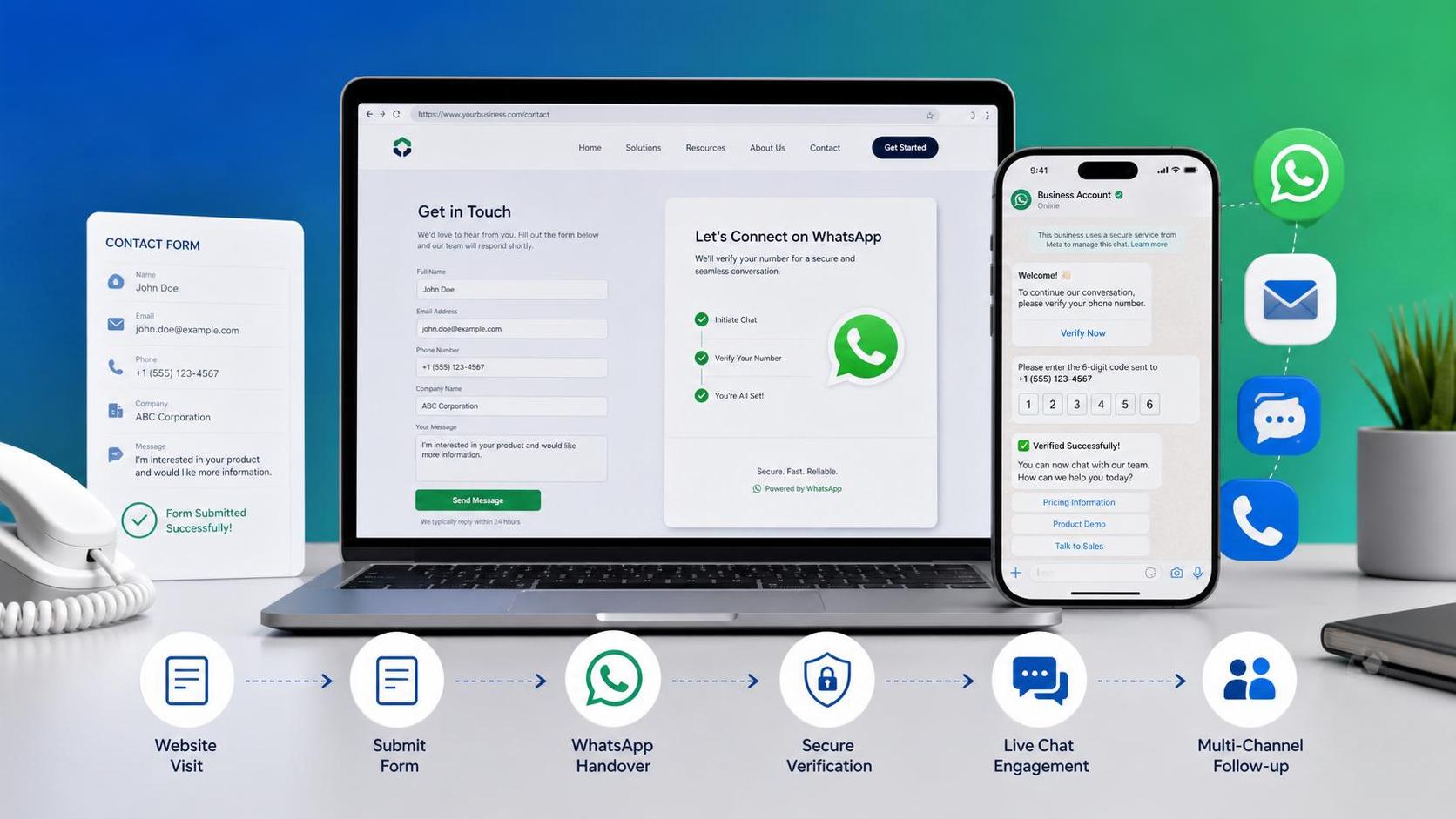
When evaluating service providers, first assess whether they understand industry procurement processes rather than merely displaying visual page designs. They should be required to explain target customer profiles, the logic behind keyword or audience selection, page information architecture, content production methods, and the complete conversion path from visits to inquiries through forms, WhatsApp, or email.
The second consideration is delivery transparency. Website source code or backend access, ownership of domains and advertising accounts, rights to creative materials, data dashboards, monthly work lists, and incident-handling mechanisms should all be included in the agreement. Advertising partnerships should also distinguish between media spend, service fees, creative production fees, and landing page optimization fees to avoid unclear cost definitions.
Acceptance should not focus solely on rankings or the number of inquiries. It should also assess qualified visits, time spent on target pages, conversion path completeness, lead response speed, and sales recognition. Yiyingbao's services cover website development, SEO, SEM, SNS, and website operations, making it suitable for teams requiring integrated coordination; enterprises should still assess suitability based on trial operation objectives and phased review results.
VI. Total Cost of Ownership and Return on Investment Assessment
The total cost of ownership of overseas marketing partnerships includes not only website development fees, service fees, and advertising budgets, but also translation and localization, creative material production, product material organization, servers and security, sales follow-up, and internal coordination input. Multiple countries, languages, and product lines will significantly increase the costs of content maintenance and data analysis.
When calculating returns, a funnel of “impressions, qualified visits, inquiries, qualified opportunities, quotations, and closed deals” can be established and recorded separately by country, product, and channel. For B2B enterprises, more valuable reference metrics include cost per qualified opportunity, opportunity-to-quotation rate, sales cycle, and gross profit contribution, rather than simply cost per click.
It is recommended to first select one priority market and a group of high-potential products for approximately 90 days of basic validation: complete website conversion setup, tracking configuration, and channel testing, then expand the budget based on lead quality. Organic search and content assets typically require a longer cycle, while advertising can support early demand validation. Their combination helps balance short-term customer acquisition with long-term costs.
VII. Maintenance Cycles, Case References, and Future Trends
A website is not a one-time deliverable. Product pages, case studies, technical materials, and market pages should be continuously updated in line with new products, certifications, delivery capabilities, and customer questions; advertising accounts need weekly reviews of search terms, geographic data, and conversion data; social media content should be managed over the long term around industry topics, application scenarios, and customer trust.
According to Yiyingbao's public introduction, the industries it serves include laser engraving machines, steel, chemicals, heavy-duty trucks, machinery, new energy, healthcare, and furniture. It also lists service cases involving Haier, Aucma, Shandong Airlines, Yuanhe Power Station, Little Duck Group, and SINOTRUK. During discussions, purchasers may further request to review delivery scopes and verifiable results similar to their own product categories and target markets.
Future overseas marketing partnerships will place greater emphasis on first-party data, content localization, automated operations, and visibility in generative search. GEO-related work focuses on making company profiles, product knowledge, Q&A, and solutions easier for generative search to understand and cite. Enterprises should prioritize building authentic, updatable, and traceable content repositories rather than relying on short-term traffic tactics.
