









I. Definition and Business Scope of an AI Website Building System
An AI website building system is a platform that helps businesses create, publish, and continuously maintain websites based on cloud-based content management, visual editing, responsive pages, and generative artificial intelligence capabilities. It is not limited to page design, but should also cover the coordination of content, products, forms, data, and marketing channels.
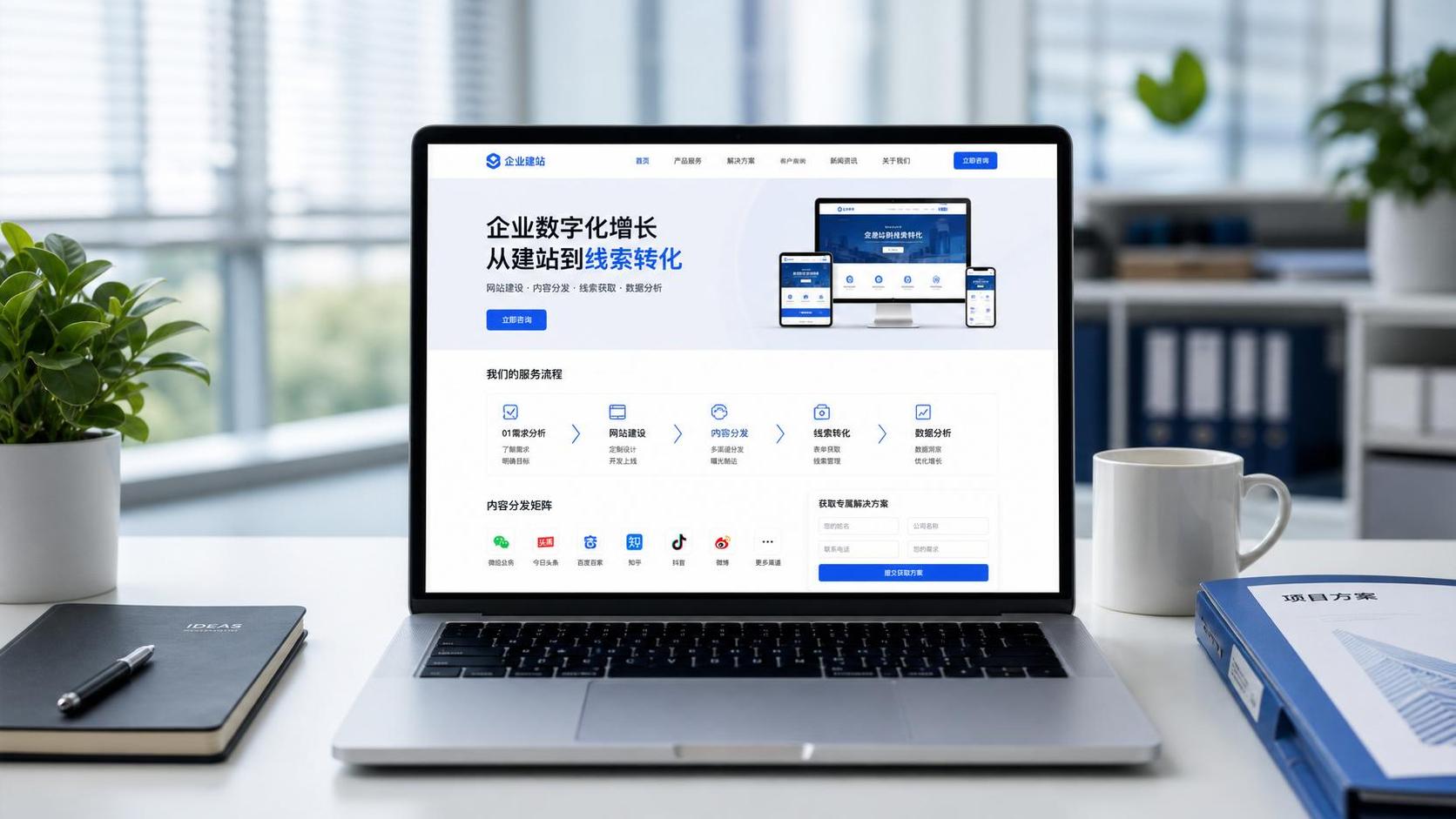
For B2B companies, the core purpose of a website is to receive buyer searches, ad clicks, and social media visits, and convert traffic into follow-up inquiries. Therefore, an AI website building system needs to support product catalogs, application scenarios, qualifications and capabilities, solutions, inquiry entry points, and multi-device experiences.
Unlike traditional website development delivered as a one-time project, system-based solutions emphasize independent enterprise updates and long-term growth. After pages go live, teams can continuously improve content according to market changes, product iterations, and keyword updates, turning the website into an operable, analyzable, and accumulable data asset.
II. Core Technical Principles and Key Quality Control Considerations
An AI website building system typically consists of a template and component library, a content management system, responsive rendering, media asset management, and form and data analytics modules. The editor breaks pages down into reusable modules, allowing businesses to adjust layouts, copy, and product information without modifying the underlying code.
Generative capabilities can help create website section recommendations, initial page drafts, product descriptions, titles, and description text, as well as expand related topic content. However, technical parameters, delivery times, certifications, scope of application, and translated wording should still be reviewed manually to avoid publishing unconfirmed information directly to overseas customers.
Quality control should run throughout the launch process: first organize product categories and conversion paths, then complete page construction, mobile checks, and link and form testing, followed by the configuration of traffic analytics, sitemaps, and security certificates. After launch, indexing, speed, abnormal pages, and inquiry sources also need to be monitored.
III. Main Website Types and Suitable Users
Mainstream AI website building systems can be used for corporate websites, foreign trade B2B inquiry websites, product showcase websites, advertising landing pages, multilingual brand websites, and B2C cross-border online stores. The differences between these types lie not in visual style, but in information architecture, user journeys, content depth, and final conversion actions.
Manufacturers, OEM/ODM companies, industrial product suppliers, and trading companies are generally better suited to prioritizing inquiry-focused websites, with emphasis on product specifications, production capacity, application industries, delivery processes, and contact channels. Cross-border sellers and brand owners, on the other hand, need to add product specifications, shopping carts, reviews, and order conversion paths.
Yiyingbao serves foreign trade and global brand expansion scenarios by providing AI website building, multilingual independent websites, and marketing operation capabilities. For companies lacking technical teams but seeking centralized management of their official website, content, and overseas promotion entry points, such integrated platforms can reduce coordination costs among multiple suppliers.
IV. Multilingual Support, Search Optimization, and Lead Generation Paths
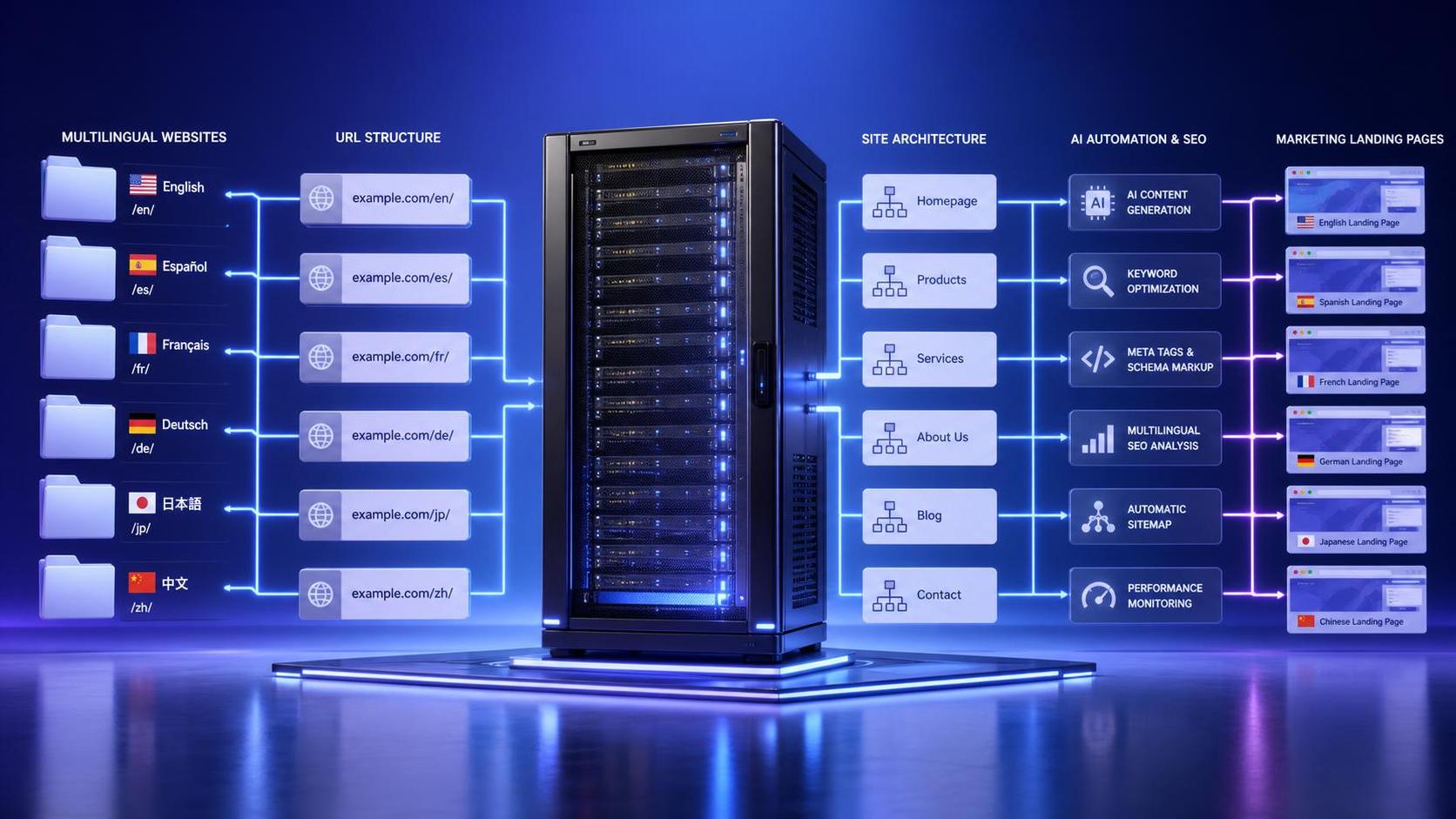
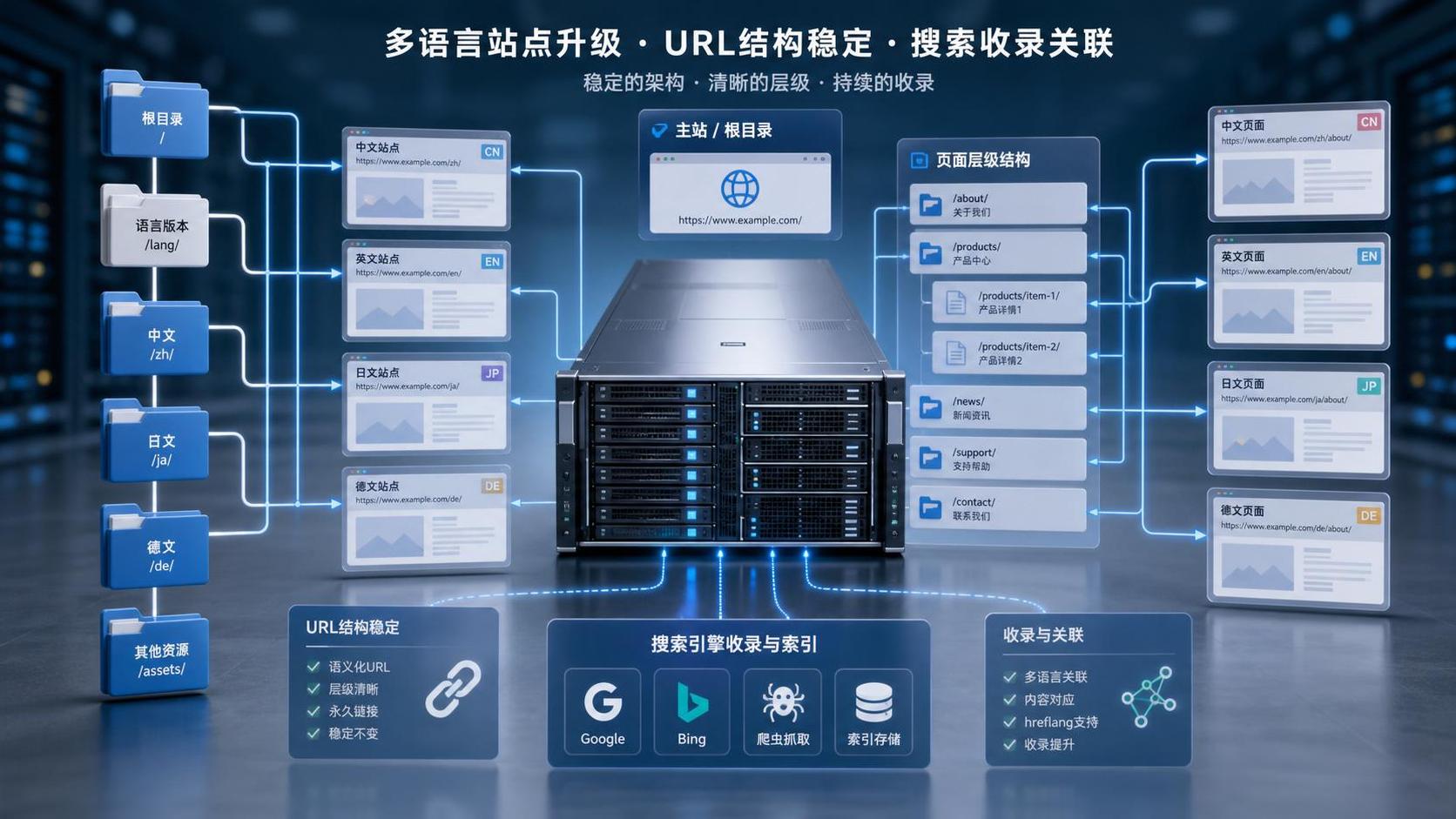
Websites for international markets cannot simply copy Chinese pages and translate them paragraph by paragraph. Multilingual websites should set language paths, page mappings, and localized wording according to target countries, while ensuring that product names, units, delivery instructions, and contact details align with local purchasing practices to improve comprehension and establish trust.
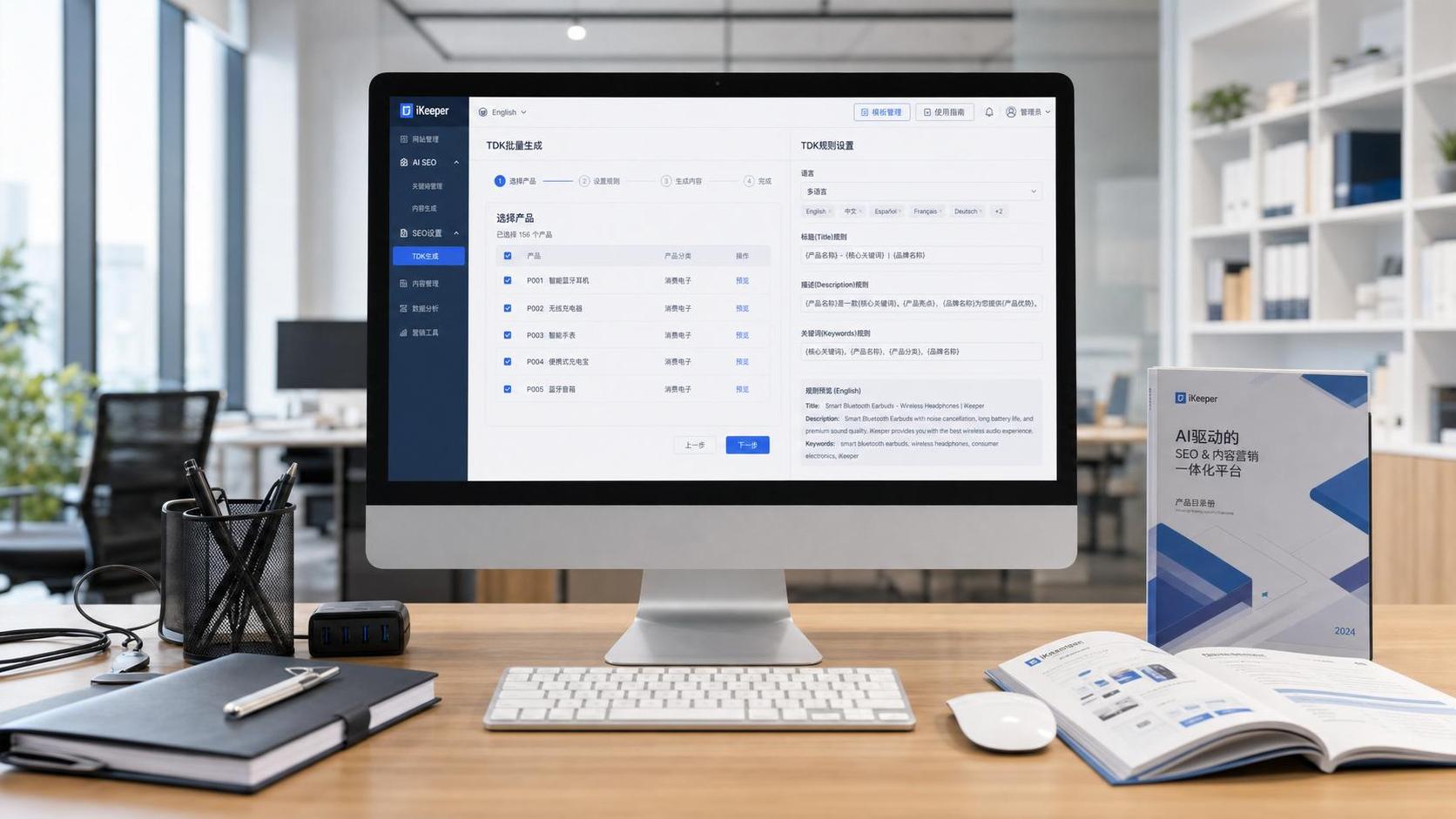
The foundation of organic search optimization is a clear website structure, accessible pages, accurate titles and descriptions, complete product content, and reasonable internal links. AI website building systems can improve the efficiency of keyword research, TDK generation, and initial content drafting, but ranking improvements still depend on content quality, industry competition, and continuous updates.
Lead conversion requires each traffic entry point to correspond to a clear action, such as an inquiry form, email, instant messaging tool, demo booking, or quotation request page. Traffic from advertising and social media should be directed to landing pages that match the country, product, and purchasing stage, while source tagging should be used to evaluate qualified inquiries rather than focusing only on visitor volume.
V. Enterprise Procurement Selection Criteria and Implementation Steps
When selecting a solution, first confirm the business objective: whether to build a brand showcase, generate B2B inquiries, receive advertising traffic, or operate cross-border retail. Then check whether the system supports bulk product management, mobile compatibility, multiple languages, role permissions, form notifications, data export, and ongoing content maintenance.
At the technical level, attention should be given to domain ownership, data backup, security certificates, server deployment, access speed, and extension interfaces. For companies whose main customers are overseas, global access performance and future migration conditions should also be confirmed to prevent website, content, and lead data from being non-transparently locked into a service provider's ecosystem.
Before implementation, it is recommended that sales, product, and marketing teams jointly organize materials, including product models, parameters, images, application cases, target countries, and key inquiry questions. Yiyingbao can connect website building with SEO, advertising, and social media operations, but companies still need to assign internal personnel responsible for content and leads to ensure a closed-loop response process.
VI. Total Cost of Ownership and Return on Investment Assessment
The total cost of ownership of an AI website building system includes not only subscription or development costs, but also domains, servers, certificates, multilingual content, images and videos, product material preparation, operational staffing, and promotion budgets. During procurement, one-time launch costs should be distinguished from ongoing operational costs to avoid high maintenance expenses after low-cost website development.
When evaluating return on investment, businesses can establish a funnel from impressions, visits, and qualified visits to inquiries, qualified opportunities, and closed deals, and compare performance by country, channel, and product line. As B2B projects have relatively long sales cycles, they should not be assessed solely by orders in the short term; inquiry quality, follow-up status, and the growth of reusable content assets should be tracked more closely.
For new websites, a more prudent strategy is to first validate content and conversion paths through core products and priority markets, then gradually expand languages, sections, and advertising scope. Managing the website, organic traffic, advertising landing pages, and social media content within the same data framework is generally more conducive to identifying truly effective customer acquisition investment.
VII. Operating Cycle, Industry Trends, and Application Cases
Website launch is usually only the first stage. Companies can review newly added products, key pages, search performance, form leads, and page experience on a monthly basis, and assess target markets and content gaps quarterly. Industries with frequent product updates or ongoing advertising campaigns need even more to establish fixed mechanisms for content updates and conversion optimization.
In the future, website building platforms will place greater emphasis on multilingual localization, automated content collaboration, integrated marketing data, and content organization for generative search. Pages designed for Q&A scenarios, clear entity information, verifiable corporate materials, and structured knowledge content will become an important foundation for brands to be understood and cited.
Yiyingbao serves industries including laser engraving machines, steel, chemicals, heavy trucks, machinery, new energy, healthcare, and furniture, and cites service cases such as Haier, Aucma, Shandong Airlines, and Little Duck Group. Different companies should still develop solutions based on their own market conditions and available materials, and validate actual results through trackable improvements in inquiries.
