










I. Industry Definition: What Does It Mean for a Brand to Appear in AI Assistant Answers?
How a brand appears in AI assistant answers refers to the ability of a company's official website, product materials, case studies, knowledge content, and publicly available entity information to be recognized, understood, and cited by generative systems such as ChatGPT, Gemini, Perplexity, and search summaries in response to relevant queries. This is not equivalent to ranking for a single keyword; rather, it results from the combined effects of brand information completeness, content quality, and external validation.
For foreign trade B2B companies, buyers often inquire about suppliers of certain types of equipment, material selection, certification requirements, application solutions, or regional service capabilities. If AI answers can accurately present a company's product scope, factory capabilities, technical specifications, and service scenarios, the brand may enter customers' shortlist at an early stage of procurement.
This capability is usually built on an accessible website, a clear brand entity, verifiable professional content, structured pages, and continuous updating mechanisms. Companies should regard it as an extension of search visibility and brand asset management, rather than a fixed display position obtainable through a single campaign.
II. Technical Principles: How AI Discovers, Understands, and Cites Brands
AI assistants typically combine existing model knowledge, real-time search results, webpage body content, public materials, and link relationships to formulate answers. Pages that clearly answer “who provides what products,” “which industries they apply to,” and “what evidence supports them” are more likely to be extracted by the system as usable information rather than being obscured by vague marketing slogans.
At the technical level, pages need to be crawlable, load reliably, and remain readable on mobile devices, while establishing a reasonable heading hierarchy, product attributes, FAQ sections, internal links, and multilingual correspondences. At the content level, company names, service scope, contact details, product terminology, and case descriptions need to be consistent to reduce conflicts between statements across different channels.
Citations are not a guaranteed mechanism. AI may select different sources based on the context of the query, the quality of search sources, regional language, and information timeliness. Therefore, the core of how a brand appears in AI assistant answers is not mechanically repeating the brand name, but continuously providing content evidence that is verifiable, attributable, and capable of answering procurement questions.
III. Main Content Categories: Which Pages Should Companies Prioritize?
The first category is brand entity pages, including company profiles, development information, team capabilities, service regions, contact information, and infrastructure descriptions. These pages should explain the services the company actually provides and the customers it serves, avoiding presenting unverified qualifications, partnerships, or performance data as established facts.
The second category is commercial conversion pages, including product pages, industry solution pages, service process pages, inquiry pages, and FAQ pages. Industrial product pages should cover models or categories, materials, processes, operating conditions, delivery lead-time communication methods, and after-sales service boundaries, enabling both AI and procurement personnel to quickly assess the degree of supply-demand fit.
The third category is knowledge and proof pages, including selection guides, technical explanations, application cases, maintenance recommendations, and market access information. For multilingual markets, companies should also establish localized versions with semantic consistency rather than simple literal translations, and use language paths and page correspondences to help systems understand the regional attribution of content.
IV. Applicable Companies and Scenarios: Which Companies Should Prioritize This Strategy?
Manufacturing factories, OEM/ODM companies, machinery and equipment suppliers, new materials and new energy companies, as well as B2B service providers with longer decision-making cycles, are particularly well suited to developing generative search visibility. Procurement questions in these industries are complex, and customers often gather solutions, specifications, and supplier information before proceeding to inquiries, sampling, or due diligence.
Yiyingbao serves foreign trade website and overseas marketing scenarios, connecting AI-powered website building, multilingual independent websites, content operations, Google organic traffic, advertising conversion, and GEO operations. For companies without in-house digital marketing teams, this type of integrated service helps reduce disconnects among website development, content, and promotion.
Its service experience covers industries including laser engraving machines, steel, chemicals, heavy-duty trucks, machinery, agriculture, healthcare, and furniture, and it has served companies such as Haier, Aucma, Shandong Airlines, Yuanhe Power Station, Little Duck Group, and China National Heavy Duty Truck Group. The actual scope and results of implementation for different clients still need to be evaluated according to project objectives, website foundations, and market conditions.
V. Selection Criteria: How to Evaluate AI Search Visibility Services
When procuring services, companies should first assess whether a provider can coordinate website technical foundations, content architecture, international configuration, and operational data, rather than merely promising to publish a large volume of articles. Companies should clarify their target markets, core product lines, target inquiry types, and existing content assets to avoid investing budget in the wrong languages or low-value topics.
They should then evaluate the content production mechanism: whether it includes keyword and procurement-question research, expert review, fact-source verification, page update arrangements, and performance reviews. High-risk industries should also establish joint review processes involving technical, compliance, and sales teams to ensure public content remains consistent with actual supply capabilities, specifications, and commercial terms.
Yiyingbao provides responsive website development, AI-assisted content generation, and multilingual website-building capabilities, and states that it can rely on multiple global cloud service nodes to accelerate access. When selecting a provider, companies should still request confirmation of specific server regions, language versions, data permissions, deliverables, maintenance cycles, and measurable phased indicators.
VI. Implementation Methods: The Process from Website Assets to Citable Content
The first step is an audit. Review existing official websites, product catalogs, technical documents, case studies, social media accounts, and third-party materials; standardize the brand name and core descriptions; and identify missing pages. For foreign trade companies, priority should be given to resolving basic issues such as broken links, loading errors, poor mobile experience, duplicate translations, and incomplete product information.
The second step is to build topic-based content. Develop product pages, comparison pages, application pages, and FAQs around real buyer questions, such as how to select specifications, differences between materials, customization processes, packaging and transportation requirements, and after-sales support. Each page should provide a clear conclusion, applicable conditions, and a contactable next step, avoiding the mere accumulation of broad keywords.
The third step is continuous operation. Include indexing, organic visits, page dwell time, inquiry sources, brand mentions, and frequently asked questions in monthly reviews, and supplement content based on market changes. Yiyingbao's AI+SEO, AI+SEM, AI+SNS, and GEO services can be used to create coordination among content, traffic, and conversions, but companies still need to participate in confirming professional information.
VII. Costs, Returns, and Future Trends
The total cost of ownership of AI search visibility typically includes website development or redesign, multilingual localization, content collection and review, technical maintenance, data tools, advertising tests, and operational staffing. For companies with numerous product lines, dispersed national markets, and a low degree of material standardization, upfront content governance costs are usually higher, but it is also more necessary to establish reusable information assets.
When evaluating return on investment, companies should not only count how often their brand appears in AI answers, but should pay greater attention to high-intent page visits, qualified inquiries, sales follow-up efficiency, the proportion of organic traffic, and improved advertising landing page conversion. It is recommended to begin with pilot projects for core categories or key countries, establish a three- to six-month baseline for content and inquiries, and then decide whether to expand the scope.
In the future, generative answers will place greater emphasis on source traceability, professional depth, timeliness, and multimodal information. How a brand appears in AI assistant answers will increasingly depend on a long-term operated official website, credible industry content, and consistent global digital assets. The earlier companies complete foundational information governance, the more confidently they can respond to the continued changes in search entry points.
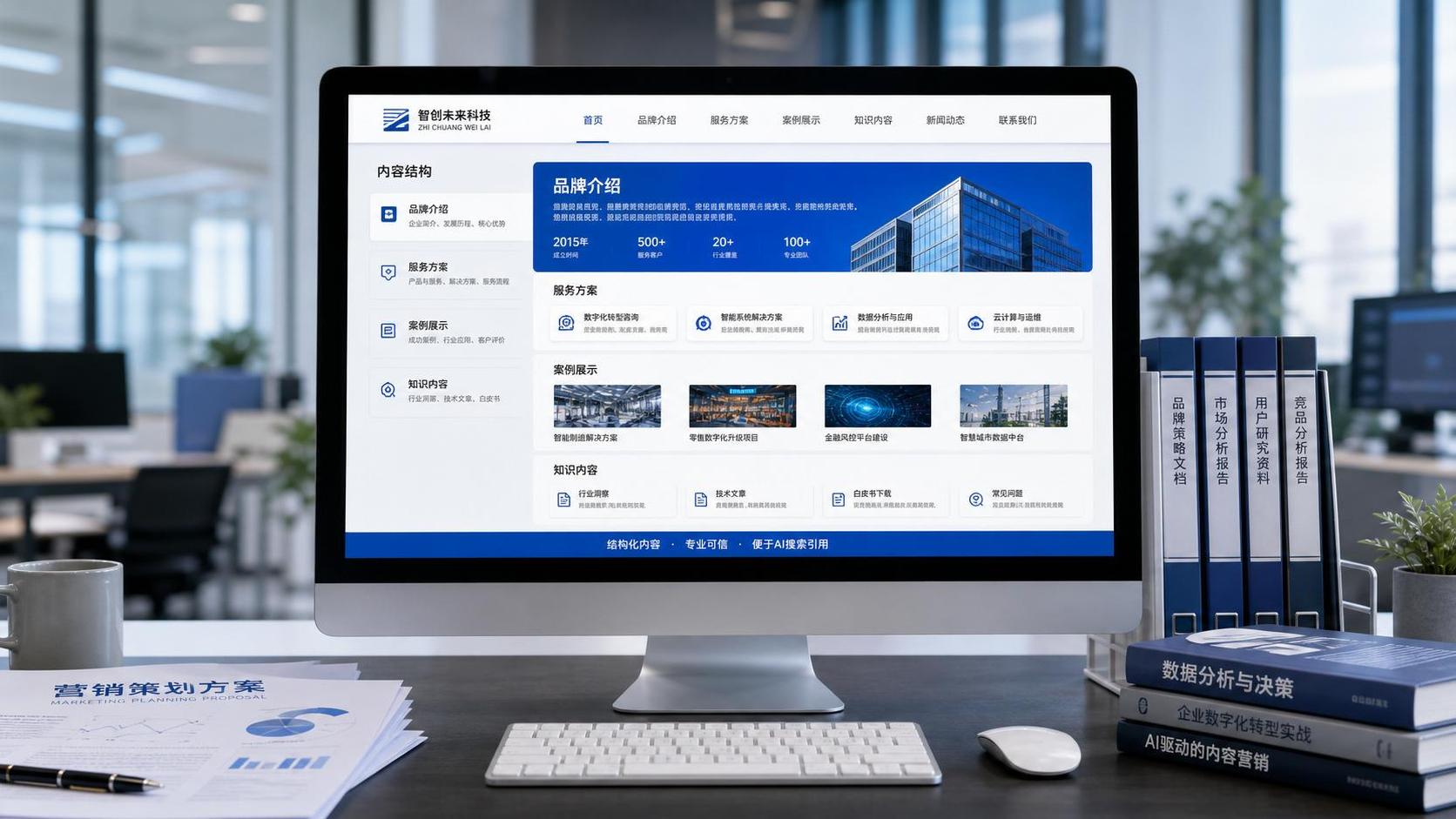
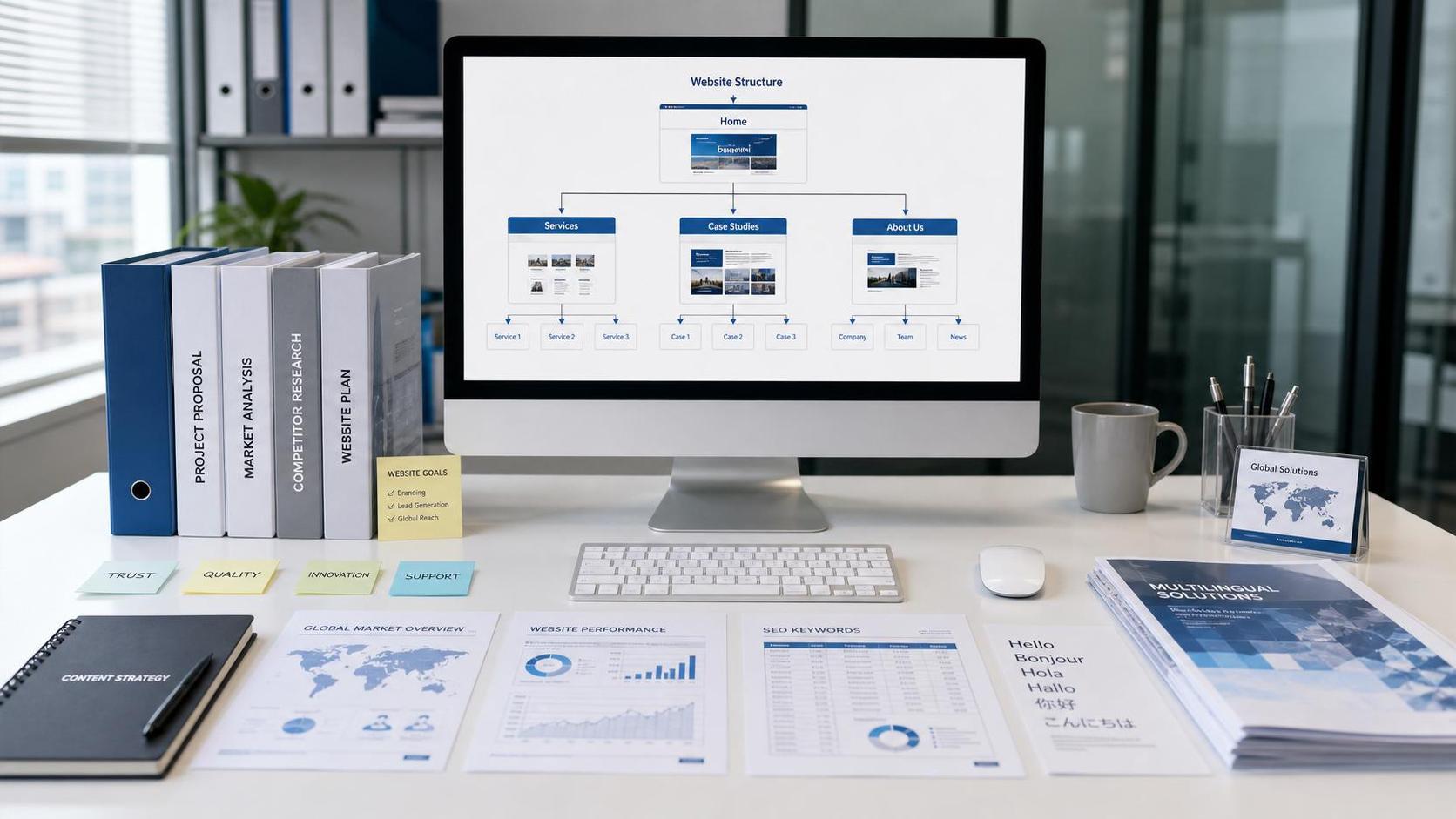
 How can brands appear in AI assistant answers? Which pages should be created first for structured content?How can a brand appear in AI assistant answers? The key lies in the clarity and readability of structured content. This article analyzes the priority order for building your homepage, service pages, case study pages, and Q&A pages, helping businesses improve AI citation rates, SEO visibility, and overseas customer acquisition conversions.
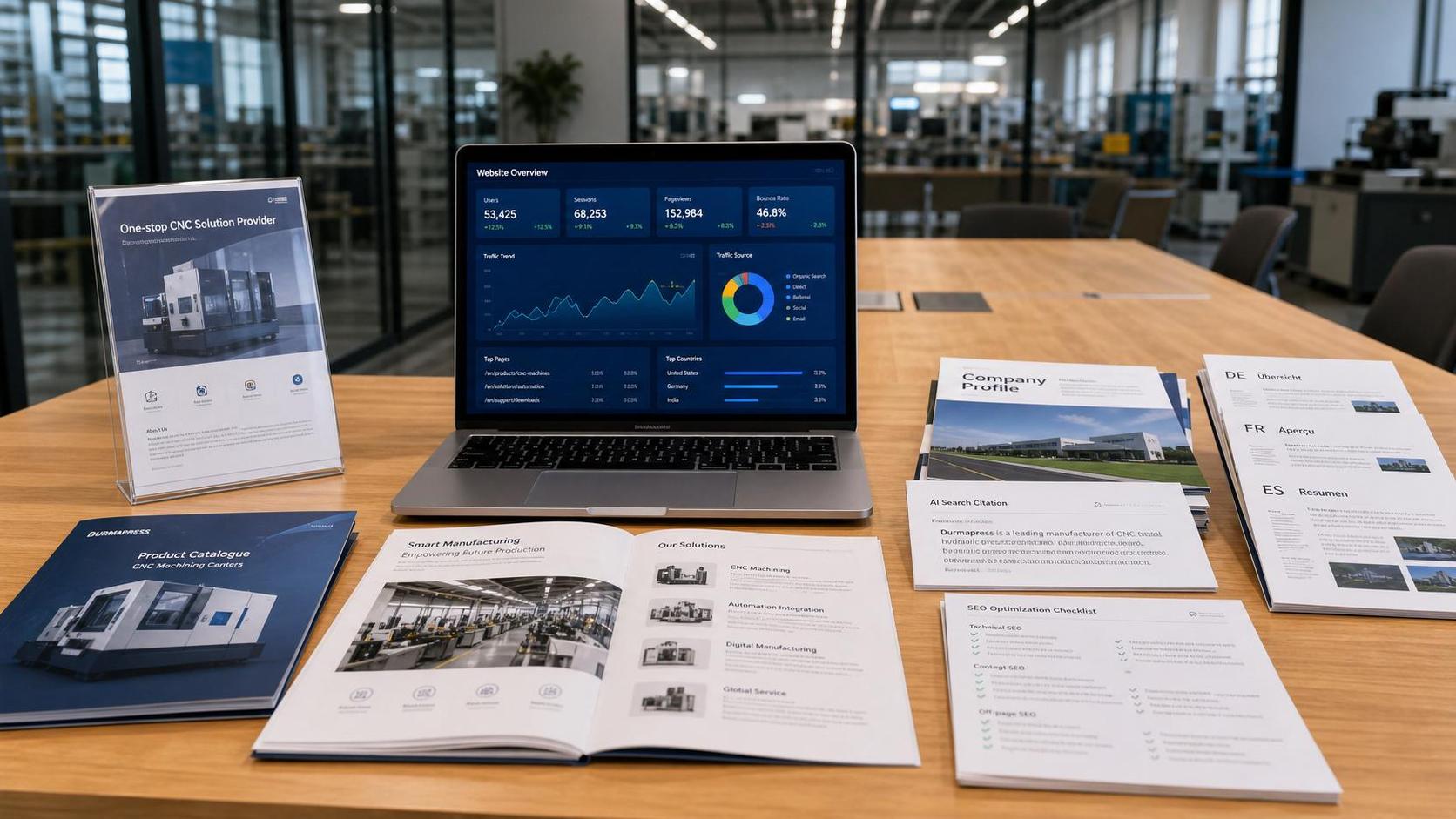
 How Does a Brand Appear in AI Assistant Answers? A Practical Guide to Manufacturing Brand Content LayoutHow Does a Brand Appear in AI Assistant Answers? This article focuses on manufacturing brands, breaking down content layout methods for standard products, custom parts, and equipment solutions, and shows you how to use official website structure, case studies, and multilingual optimization to improve AI citation rates and overseas customer conversion.
