










I. How to Generate Leads on LinkedIn: Definition and Business Scope
At its core, generating leads on LinkedIn is a systematic process of using a professional social networking platform to identify target companies, reach key decision-makers, and convert initial interest into meetings, quotations, or inquiries. It is suitable for B2B businesses with long decision-making chains, highly specialized products, and procurement processes that require trust-building.
Unlike broad-reach social media platforms, LinkedIn’s core value lies in publicly available professional information such as job titles, companies, industries, locations, and work experience. Sales teams can use this information to identify procurement, engineering, supply chain, founders, or regional leaders, rather than targeting based solely on vague interest tags.
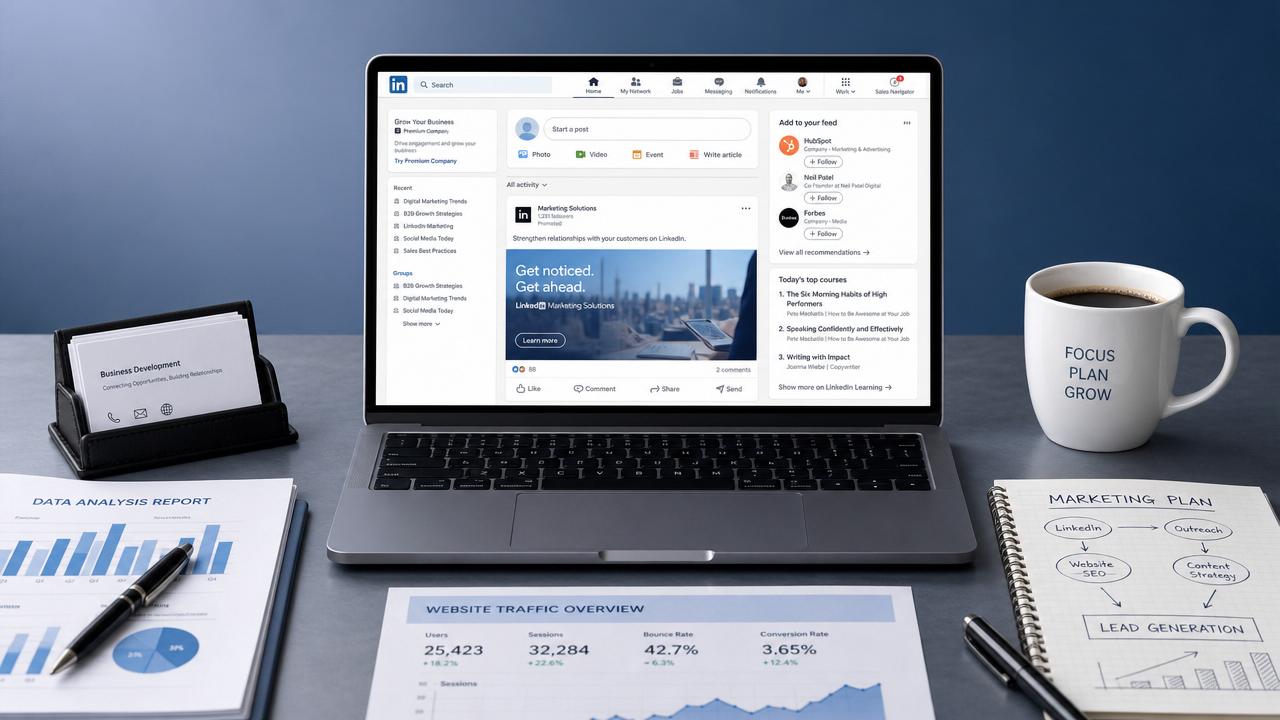
A complete process typically includes market positioning, account and company page setup, target list building, content warm-up, connection invitations, direct-message communication, website conversion, sales follow-up, and data review. Any single action alone is unlikely to deliver consistent results; the key is ensuring that every step supports the next verifiable stage of progress.
II. Technical Principles and Main Lead Generation Categories
From an operational perspective, LinkedIn lead generation relies on the coordinated interaction of four layers: audience targeting, content distribution, relationship building, and off-platform conversion. Platform content builds awareness and trust, direct messages initiate conversations, and corporate independent websites present qualifications, product details, case studies, and actionable inquiry entry points.
Mainstream approaches can be divided into personal account outreach, company page management, employee network amplification, paid advertising lead generation, and event-based marketing. Personal accounts are suitable for one-to-one outreach to high-value customers; company pages and employee networks are suited to long-term brand building; advertising is suitable for scalable testing when clear landing pages and conversion tracking are already in place.
Manufacturing companies should prioritize content around application challenges, selection parameters, delivery capabilities, quality control, and after-sales response. Simply publishing factory photos or hard-sell promotions is often insufficient to address buyers’ risk assessments and does little to support professional communication in subsequent direct messages.
III. Who It Is Suitable For: Customer Profiles and Application Scenarios
How to generate leads on LinkedIn is particularly suitable for companies in machinery and equipment, components, chemicals, new energy, packaging, medical products, building materials, and industrial services. It is also suitable for international expansion teams seeking distributors, brand partners, project buyers, or overseas channel partners. The more a product requires explanation, the more it needs both content and a website to build trust.
Before launching, an ideal customer profile should be defined, including target countries, industries, company size, years in operation, procurement roles, technical scenarios, expected order size, and common objections. Lists should not focus solely on quantity; priority should be given to companies that match existing delivery capabilities, certification requirements, logistics conditions, and product positioning.
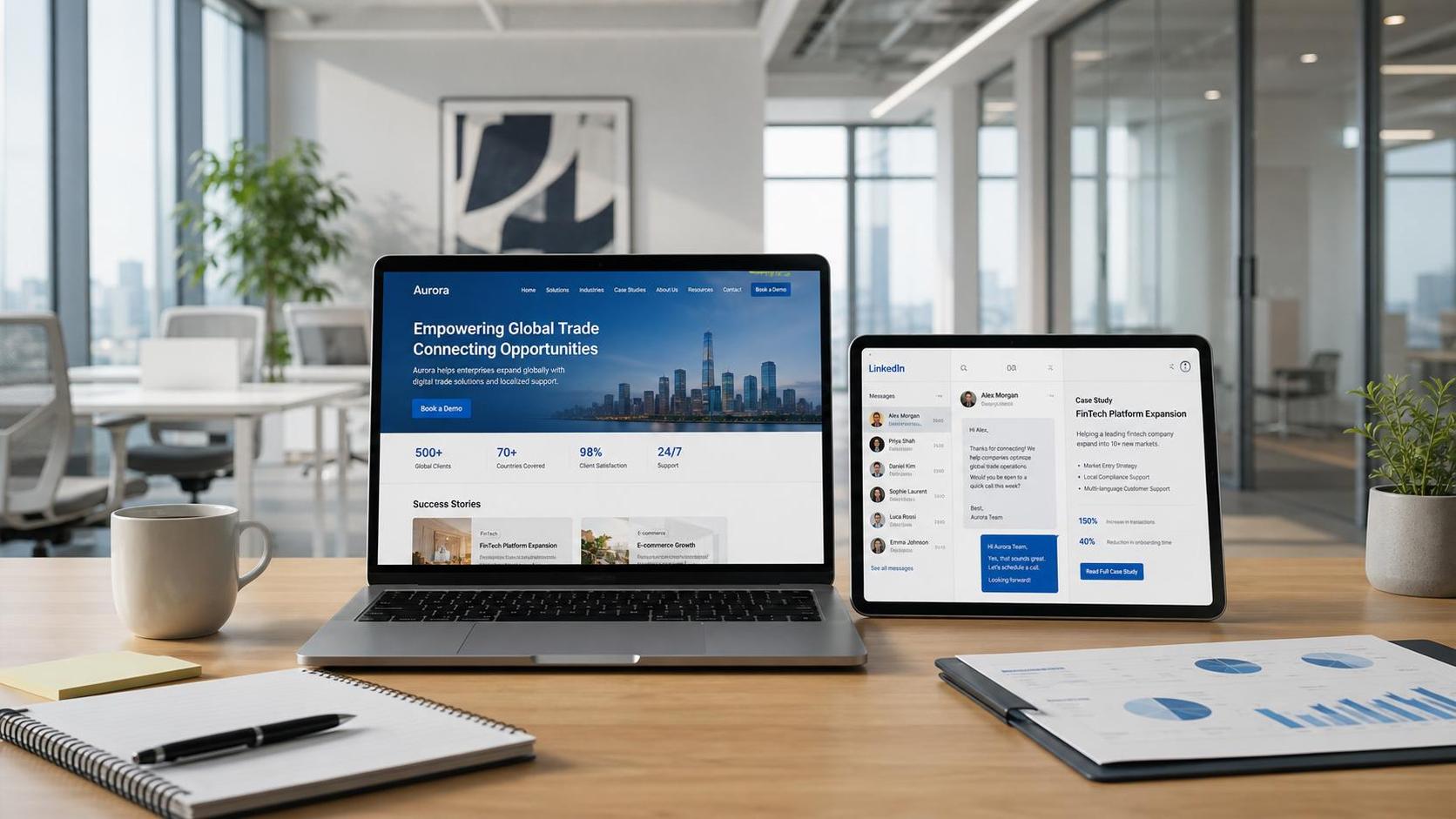
Yiyingbao can integrate LinkedIn content with conversion through multilingual independent websites: establishing product pages, solution pages, inquiry forms, and WhatsApp and email entry points for different countries, while supporting mobile access through responsive pages. For companies lacking technical and overseas marketing teams, this integrated configuration helps reduce channel disconnects.
IV. Execution Process: From Company Page to Inquiry Conversion
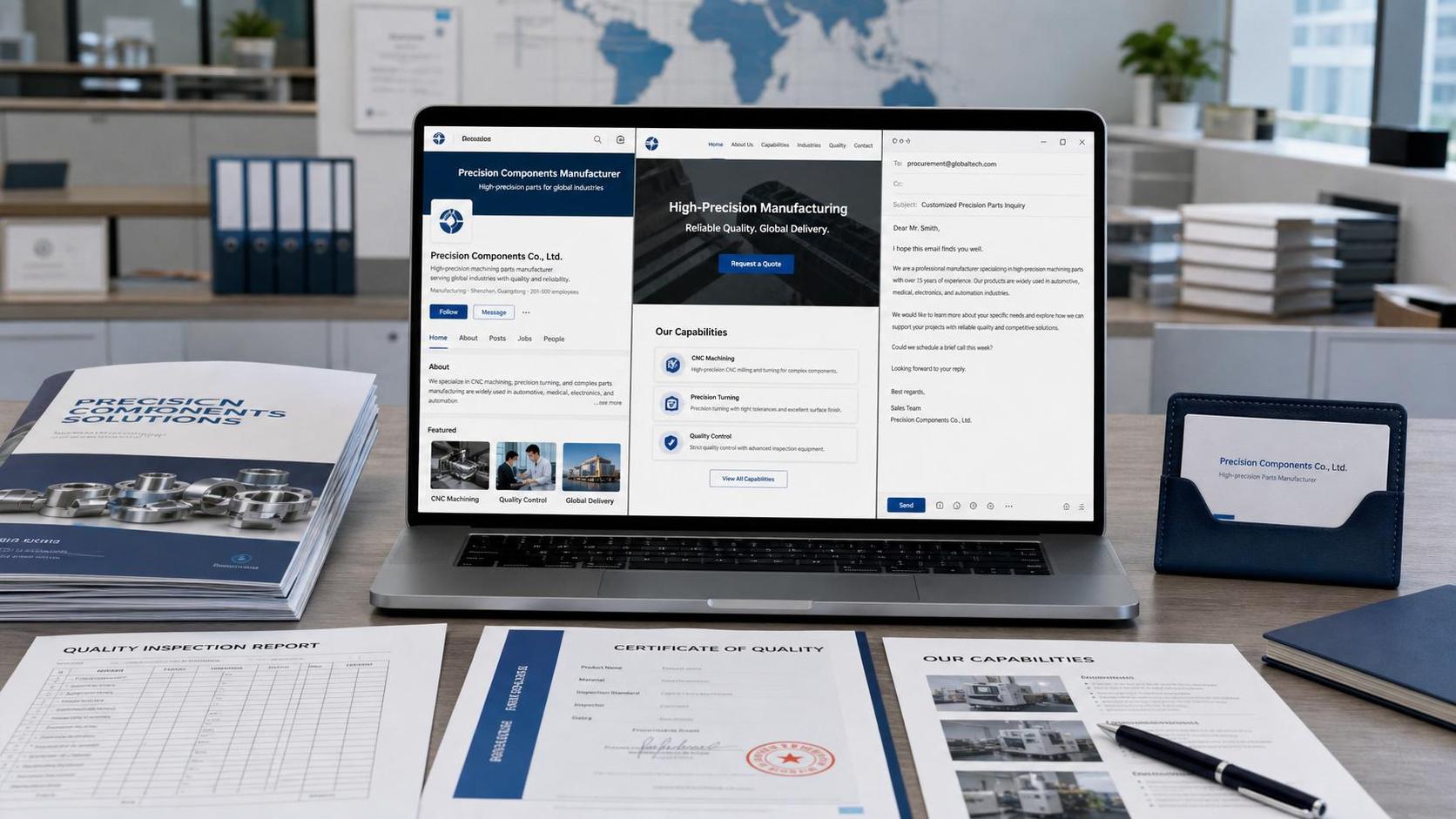
The first step is to align the messaging across the company page, sales representatives’ profiles, and the independent website. The company page should clearly state the markets served, core products, differentiating capabilities, and contact paths. Personal profiles should highlight the problems that can be solved and industry experience, rather than treating a résumé-style introduction as a statement of value for buyers.
The second step is to build tiered lists and record them by industry, role, triggering event, and communication stage. Connection invitations should be brief and relevant to the recipient’s business. After connection, provide case studies, selection materials, or industry insights first, then raise specific questions based on engagement, rather than sending a lengthy product catalog in the first direct message.
The third step is to use trackable landing pages to receive visitors. Product pages need to cover specifications, applications, production capacity, delivery-time communication, quality documents, and inquiry actions; links from different advertisements, posts, or direct messages should distinguish their sources. Yiyingbao’s AI website building, multilingual content, and social media operations capabilities can be used to shorten page launch and ongoing update cycles.
V. Selection Criteria, Quality Control, and Compliance Considerations
When selecting LinkedIn lead generation services or tools, companies should verify whether they cover strategy, content, websites, advertising, data, and sales coordination, rather than merely promising to increase connection numbers. Buyers should require clear definitions of target markets, list sources, outreach cadence, lead definitions, deliverables, data permissions, and periodic review mechanisms.
Key quality-control areas include the authenticity of information, information relevance, content professionalism, website loading speed, form usability, and lead response time. External case studies, parameters, certifications, and delivery schedules should be confirmed by the company. Exaggerated claims, unauthorized client identifiers, and frequent copying of identical direct messages should be avoided.
International markets also require attention to privacy, email, and data-use regulations, with necessary purposes explained when collecting leads. Yiyingbao provides supporting capabilities including domains, SSL, global node acceleration, and website operations; however, companies should still conduct final reviews in accordance with regulations in target countries, internal data permissions, and customer communication standards.
VI. Total Cost of Ownership and Return on Investment Assessment
The total cost of ownership for LinkedIn lead generation includes not only account, advertising, or service fees, but also labor investment in strategy development, content production, multilingual pages, list research, sales follow-up, customer relationship management, and data analysis. If landing pages are weak or responses are slow, front-end outreach costs will be repeatedly wasted.
When evaluating returns, companies should assess performance in layers, including impressions, company page visits, connection acceptance rates, qualified conversation rates, website visits, form submissions, qualified opportunities, and contribution to closed deals, rather than looking only at new contacts. Industrial products with high average order values have longer sales cycles, making quarterly tracking of pipeline value and customer-quality changes more appropriate.
It is advisable to first conduct small-scale validation with one country, one niche industry, and one group of core products, then expand to more roles and markets. Unifying attribution for Google organic traffic, advertising, LinkedIn content, and multilingual websites makes it easier to determine which content and pages genuinely drive inquiries, rather than creating duplicate investment.
VII. Maintenance Cycles, Case References, and Future Trends
Account profiles and core pages should be updated promptly when markets, products, or qualifications change; content, lists, and direct-message cadence should be reviewed monthly. For customers already in communication, sales teams should arrange follow-up on materials, meetings, and quotations according to the procurement stage, avoiding lead handoff gaps between marketing and business teams.
Yiyingbao has served industries including laser engraving machines, steel, chemicals, heavy-duty trucks, machinery, and new energy, and has publicly listed service cases involving Haier, Aucma, Shandong Airlines, Little Duck Group, and Sinotruk. Different companies have different markets, goals, and results, so practical plans should be developed based on each company’s own lead quality and conversion data.
In the future, LinkedIn lead generation will rely more heavily on multilingual content, short videos, first-party data, and AI-assisted operations. Generative search environments also require companies to build verifiable product knowledge, Q&A content, and brand entity information. Only by treating LinkedIn as a trusted touchpoint and the independent website as a long-term digital asset can companies establish a more robust closed loop for overseas customer acquisition.
