

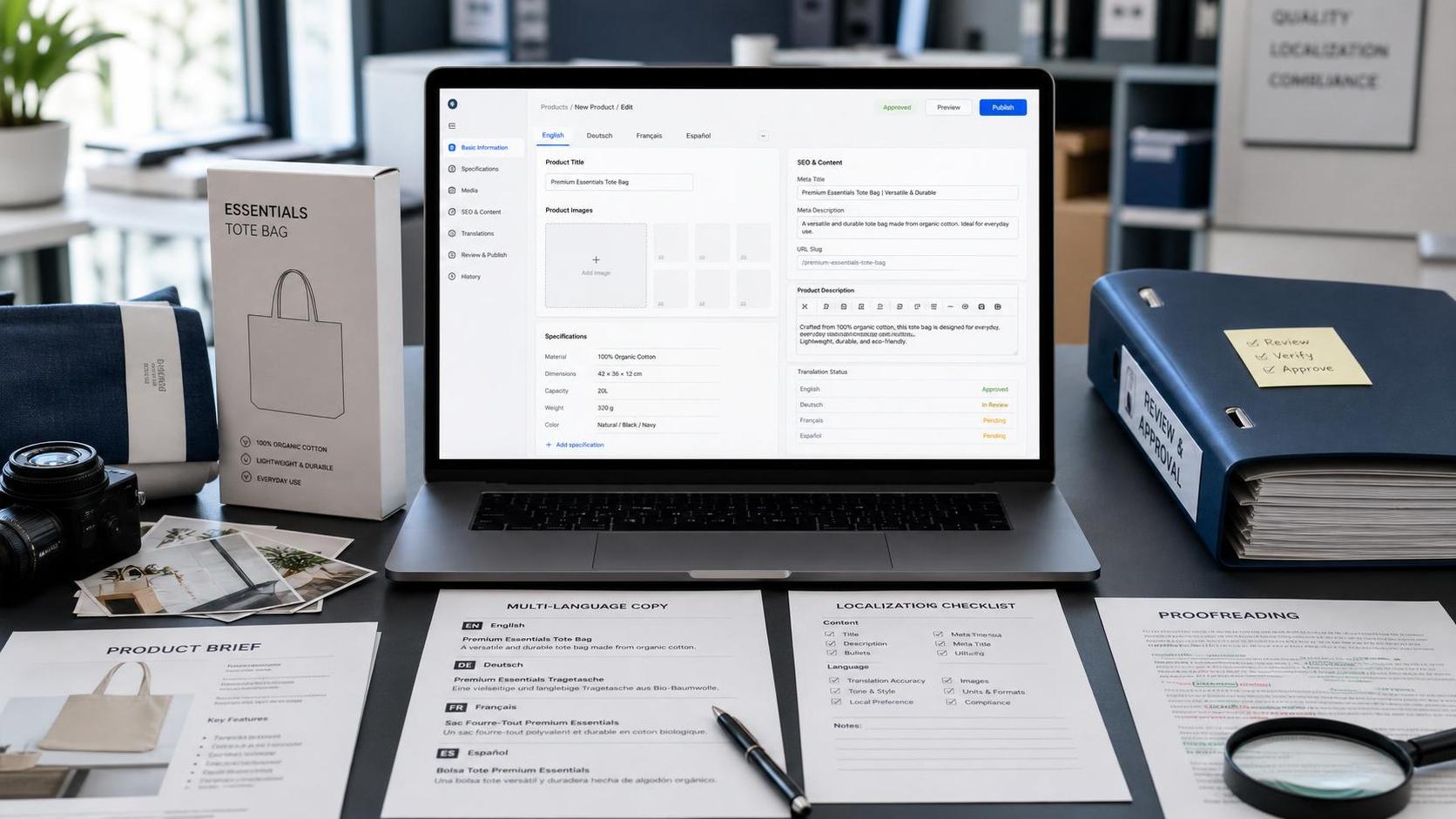

I. Definition and Core Scope of Cross-Border E-Commerce Independent Websites
A cross-border e-commerce independent website is a website or online store independently operated by an enterprise for overseas markets. It typically uses its own domain name and serves functions such as brand presentation, product introduction, online transactions, inquiry collection, and customer service. Its core value lies not in whether the pages are visually appealing, but in whether it establishes a trackable and optimizable path for customer acquisition and conversion.
Compared with third-party platform stores, enterprises have control over product rules, page content, pricing strategies, and customer communication methods on cross-border e-commerce independent websites. Platforms can provide immediate traffic, but independent websites are more suitable for building brand search assets, remarketing audiences, email subscriptions, and customer behavior data, reducing operational risks caused by fluctuations in a single channel.
From a business model perspective, an independent website is not necessarily equivalent to a retail store. Websites for industrial products, customized products, and bulk procurement often use catalog browsing, sample requests, specification downloads, and inquiry forms as their primary conversion methods; consumer-facing websites place greater emphasis on shopping carts, payments, logistics information, and after-sales service.
II. Technical Principles: From Visit Delivery to a Closed Data Loop
An effective cross-border e-commerce independent website typically consists of front-end pages, content and product management, servers and acceleration networks, payment or inquiry components, and data analytics tools. Responsive pages need to adapt to mobile and desktop devices to avoid issues such as truncated text, difficult-to-click buttons, or interrupted checkout processes on different devices.
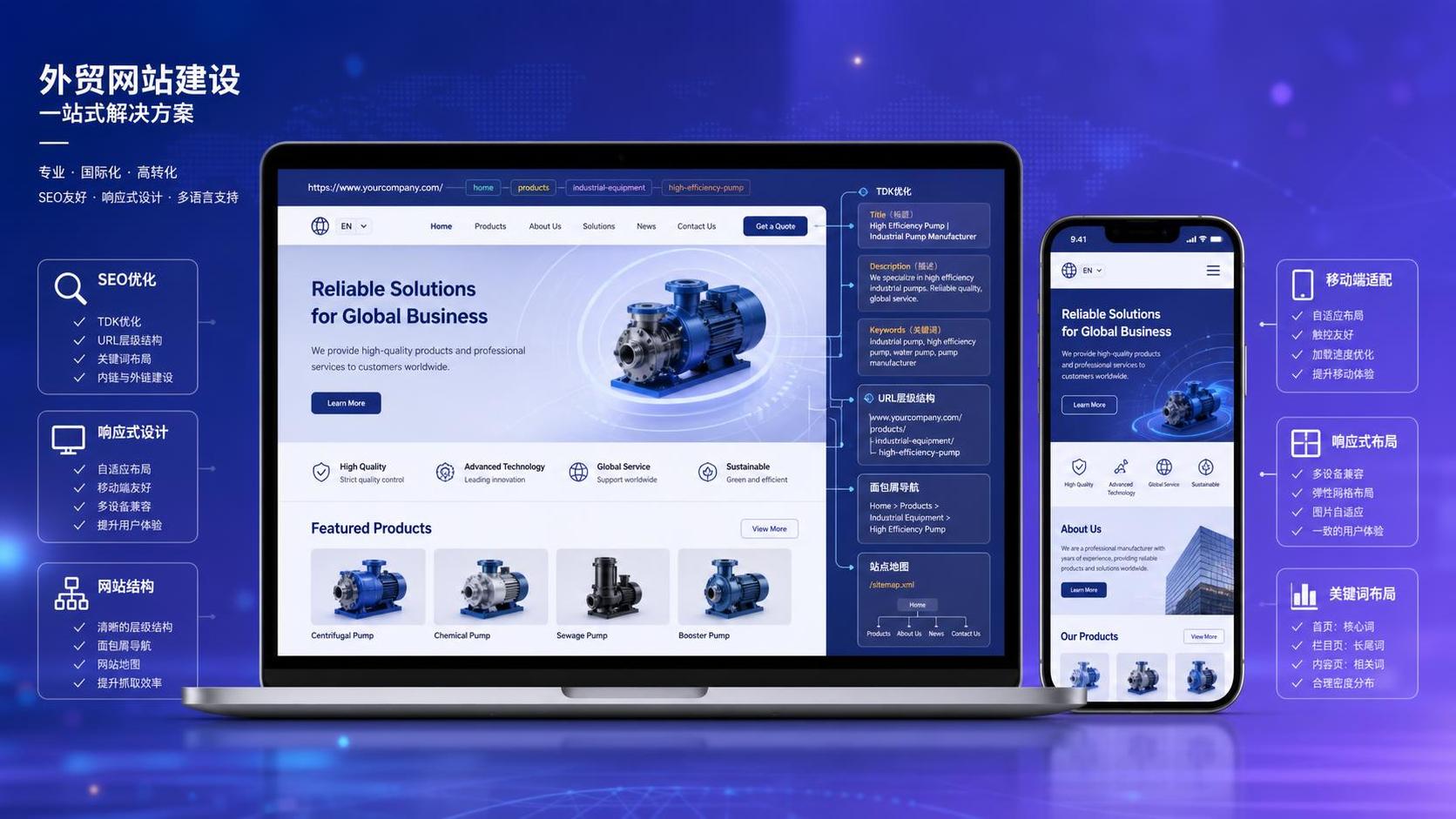
The foundation of search traffic is a crawlable website structure: clear category hierarchies, unique and informative page titles, canonical links, appropriate internal linking, and readable product content can help search engines understand products, application scenarios, and target markets. Multilingual websites should also distinguish language versions and their corresponding regional pages to reduce content confusion.
Conversion data should cover key events including source channels, landing pages, form submissions, add-to-cart actions, payments, and customer service inquiries. Based on this data, enterprises can determine which countries, keywords, ad groups, and content pages generate valid business opportunities, and then continuously adjust budgets and pages. Without a closed data loop, it is often difficult to determine where growth actually comes from.
III. Main Types and Suitable Users
B2B inquiry-focused cross-border e-commerce independent websites are suitable for manufacturing factories, foreign trade companies, OEM/ODM enterprises, and industrial product suppliers. Such websites should highlight product parameters, production capacity, quality control, delivery times, certification materials, and project cases, while providing contact channels suitable for procurement decisions, such as email, WhatsApp, and online forms.
B2C brand stores are suitable for cross-border sellers, DTC brands, and manufacturers with standardized consumer products. Their key capabilities include multi-variant product displays, inventory and order management, shopping carts, payment processes, shipping fees, and return and exchange policies. The focus of their pages shifts from company introductions to product benefits, review content, visual trust, and purchasing efficiency.
There are also combined formats such as marketing landing pages, product catalog websites, and regional-language websites. During the new-market testing stage, enterprises can first validate demand with single-product or themed landing pages; as product lines, keywords, and country coverage expand, they can gradually build category systems and multilingual content to avoid launching too many low-quality pages at once.
IV. Selection Criteria: How to Evaluate Website Development and Marketing Services
When purchasing cross-border e-commerce independent website services, the first step is to confirm business objectives: whether to acquire wholesale inquiries, conduct direct retail sales, build brand awareness, or support advertising tests. Different objectives require different page architectures, content depth, functional modules, and performance metrics. Choosing solely based on the number of templates or the initial price can easily overlook the scalability needed for subsequent operations.
From a technical perspective, enterprises should evaluate mobile experience, page loading performance, ease of content updates, multilingual management, server deployment, security certificates, data export, and analytics integration capabilities. For enterprises requiring long-term organic traffic, they should also confirm whether product pages, article pages, and category pages can support ongoing keyword planning and content iteration.
Yingyingbao provides integrated services for AI-powered website building, multilingual independent websites, overseas marketing customer acquisition, and website operational growth. It is suitable for enterprises lacking dedicated technical and overseas marketing teams. Its responsive architecture, global node deployment, and content generation capabilities can be used to build a unified conversion platform for Google, social media advertising, and overseas buyers.
V. Implementation Path for Traffic Acquisition and Conversion Growth
Organic search is suitable for building long-term traffic. Enterprises should first research the product terms, application terms, problem-related terms, and purchasing terms used by target customers, then assign different intents to the homepage, category pages, product pages, solution pages, and knowledge content pages. Long-tail keyword coverage should match the page’s capacity and should not mechanically place irrelevant terms on the same page.
Paid advertising is suitable for new product validation, expansion into priority countries, and short-term customer acquisition, but ad clicks must land on pages consistent with search intent. B2B advertising landing pages should quickly explain product applications, key specifications, delivery capabilities, and consultation actions; B2C pages should reduce purchase barriers and clearly state pricing, delivery, payment, and after-sales information.
Social media content can expand brand reach and encourage repeat visits. LinkedIn is suitable for professional procurement and industry relationship communication, while Facebook, TikTok, and YouTube are more suitable for product demonstrations, usage scenarios, and user interaction. Independent websites should accommodate different content themes rather than directing all social media visitors to an overly broad homepage.
VI. Application Scenarios, Operating Cycles, and Quality Control
Cross-border e-commerce independent websites are commonly used in industries such as laser engraving machines, steel, chemicals, heavy-duty trucks, machinery, new energy, medical products, furniture, and agriculture. High-value or complex products should use specifications, factory videos, case studies, frequently asked questions, and downloadable materials to help overseas customers complete initial screening before the first communication, improving the quality of inquiries.
Yingyingbao's service cases cover diverse business scenarios involving enterprises such as Haier, Aucma, Shandong Airlines, Yuanhe Power Station, Little Duck Group, and China National Heavy Duty Truck Group. For export enterprises, specific implementation must still be based on their own products, market access requirements, target-country languages, and sales processes when developing page content, rather than directly applying solutions from other industries.
After the website goes live, enterprises should review indexing, access speed, form usability, advertising conversions, popular pages, and inquiry quality monthly; keywords, content gaps, and market feedback should be reviewed quarterly. Quality control includes image compression, link inspections, form testing, maintenance of privacy and policy pages, and verification of terminology consistency in multilingual content.
VII. Total Cost of Ownership and Future Industry Trends
The total cost of ownership of a cross-border e-commerce independent website includes more than the initial website development cost. It also includes domain names, servers or acceleration services, payment services, content creation, translation, localization, advertising management, SEO operations, social media assets, and technical maintenance. Buyers should evaluate investment based on customer acquisition cost, valid inquiry rate, repurchase rate, and customer lifetime value, rather than simply comparing launch quotations.
A more prudent investment pace is to first complete high-quality pages for core markets and core products, validate traffic and conversions after integrating analytics tools, and then allocate budgets to better-performing countries, content themes, and advertising combinations. For B2B enterprises, the sales team's response speed to inquiries, quotation capabilities, and follow-up records can also significantly affect website investment returns.
In the future, cross-border e-commerce independent websites will place greater emphasis on multilingual localization, first-party data, automated content production, and generative search visibility. Enterprises need to give product, service, case study, and Q&A information a clear structure so that search engines and intelligent Q&A systems can understand it easily. Yingyingbao's AI+SEO, AI+SEM, AI+SNS, and GEO operational capabilities can provide integrated support for continuous iteration.
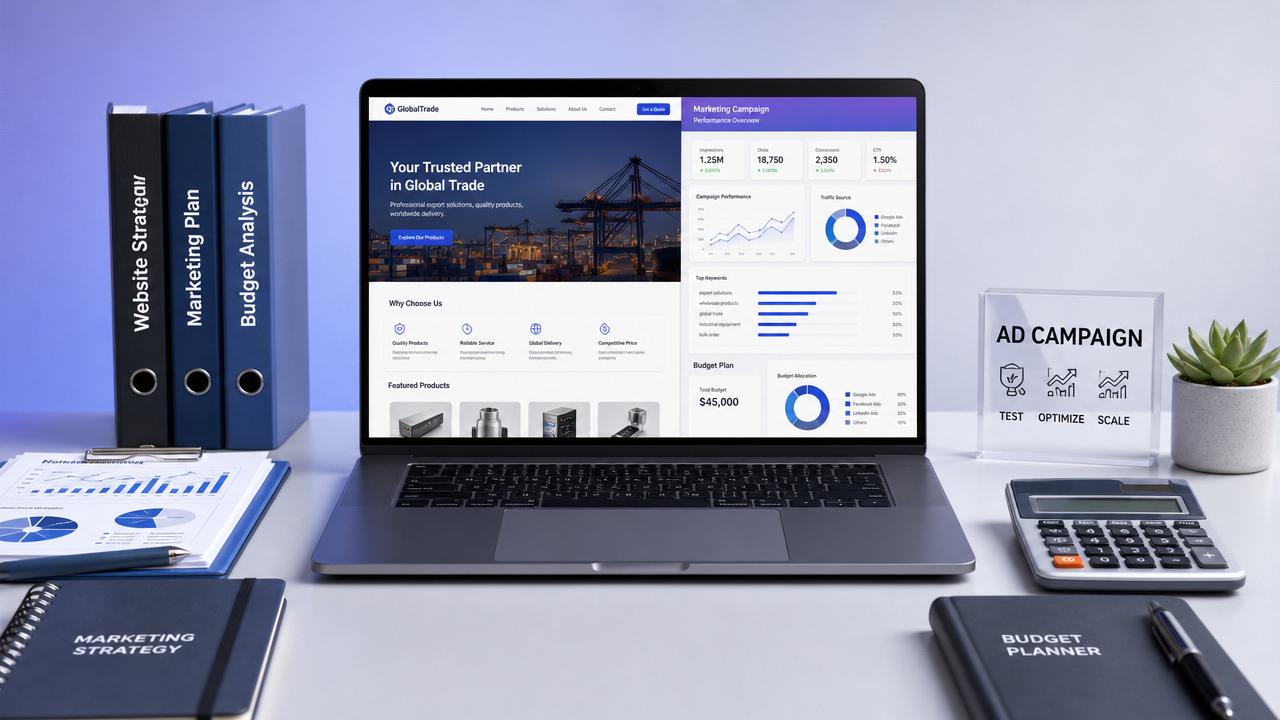
 Overseas customer acquisition promotion: should you run ads first or build a website first? Small and medium-sized enterprise budget allocation recommendationsOverseas customer acquisition promotion: should you run ads first or build a website first? This article combines the current budget situation of small and medium-sized enterprises, breaks down the proper sequence of website setup, ad testing, and SEO planning, and provides more stable budget allocation recommendations to help businesses avoid detours and improve inquiry conversion.
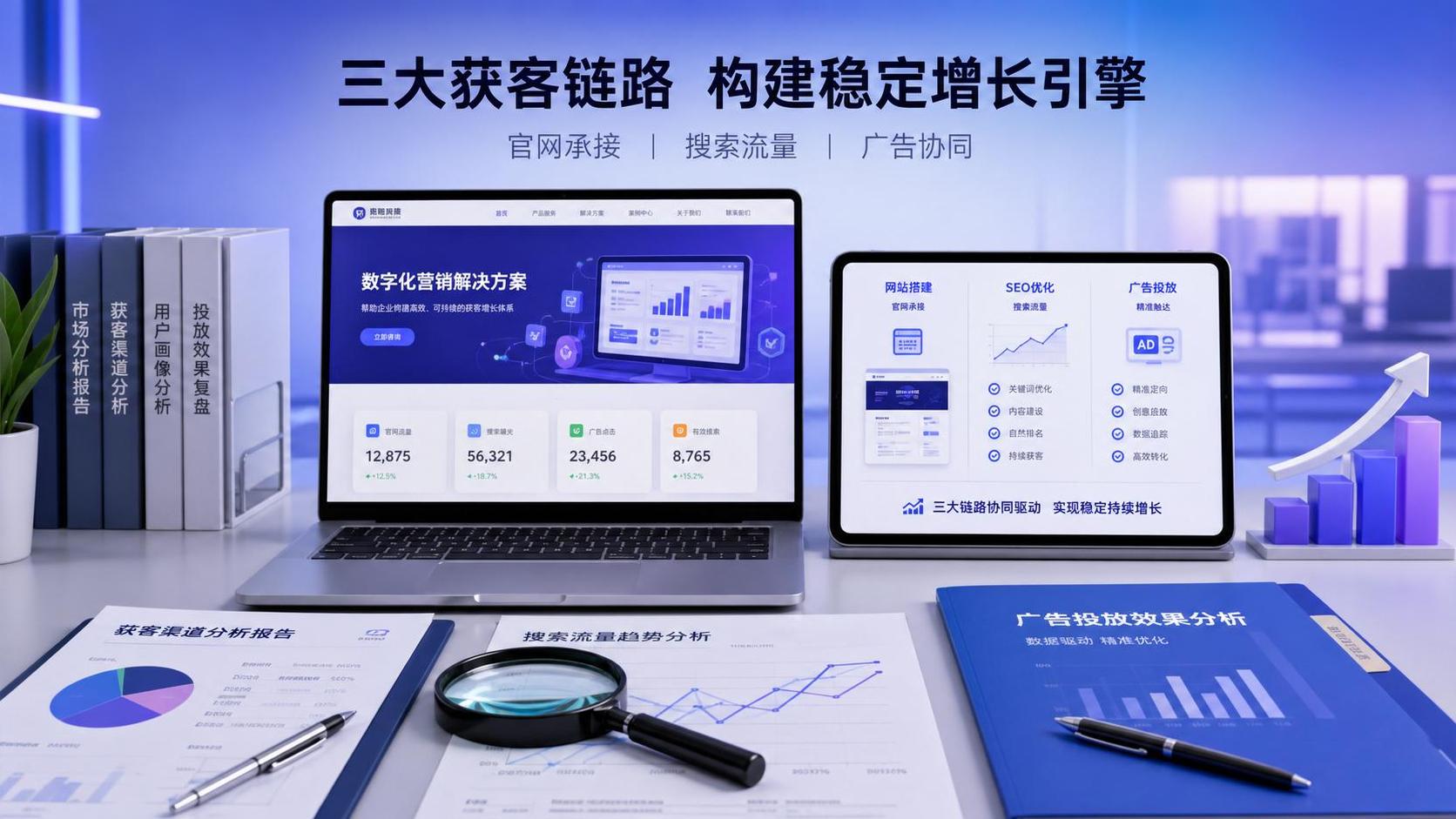
 What are the effective channels for B2B lead generation? How can a website, SEO, and advertising be combined more effectivelyWhat are the effective channels for B2B lead generation? This article examines a balanced lead generation strategy built on website conversion, SEO layout, and advertising campaigns, and analyzes stable customer acquisition approaches at different business stages to help companies reduce lead volatility and improve inquiry conversion rates.
 Which products are suitable for a cross-border e-commerce independent site? 4 core metrics to determine the marketWhich products are suitable for a cross-border e-commerce independent site? This article focuses on four core metrics: demand, competition, profit, and repeat purchases, helping you determine which markets are more worth entering, avoid low-price competition, and find overseas directions better suited for long-term growth and brand building.
 What stages does the cross-border services ecosystem include? How do website building, promotion, payment, and compliance work togetherWhat stages does the cross-border services ecosystem include? This article starts from the four core areas of website building, promotion, payment, and compliance to break down the logic of independent-site customer acquisition, conversion, and risk control collaboration, helping businesses clearly identify growth bottlenecks and improve overseas operating efficiency.
 The U.S. dollar strengthened in June due to dovish data, putting pressure on export profits.The U.S. dollar strengthened in June due to dovish data, putting pressure on export profits. This article focuses on foreign trade, cross-border e-commerce independent sites, and U.S. dollar-settled companies, analyzing the risks to profits from quotations, payment terms, settlements, and dynamic pricing, and helping you optimize profit and collection strategies in advance.
 EU tightens AI marketing authorization rules, independent site ad tracking faces new requirementsEU tightens AI marketing authorization rules, independent site ad tracking and user profiling face new compliance requirements. This article analyzes Meta Pixel, GA4 tiered authorization, default opt-out prohibition, and operational response priorities, helping website + marketing service integrated teams prepare in advance.
 Canada DST landing: Independent sites must register and remit tax for sales over 100,000 CADCanada DST landing: Independent sites must register and remit tax for sales over 100,000 CAD. This article explains the 3.5% tax rate, CRA registration threshold, and compliance impacts of SaaS and online advertising, helping businesses plan settlement and filing preparation in advance.
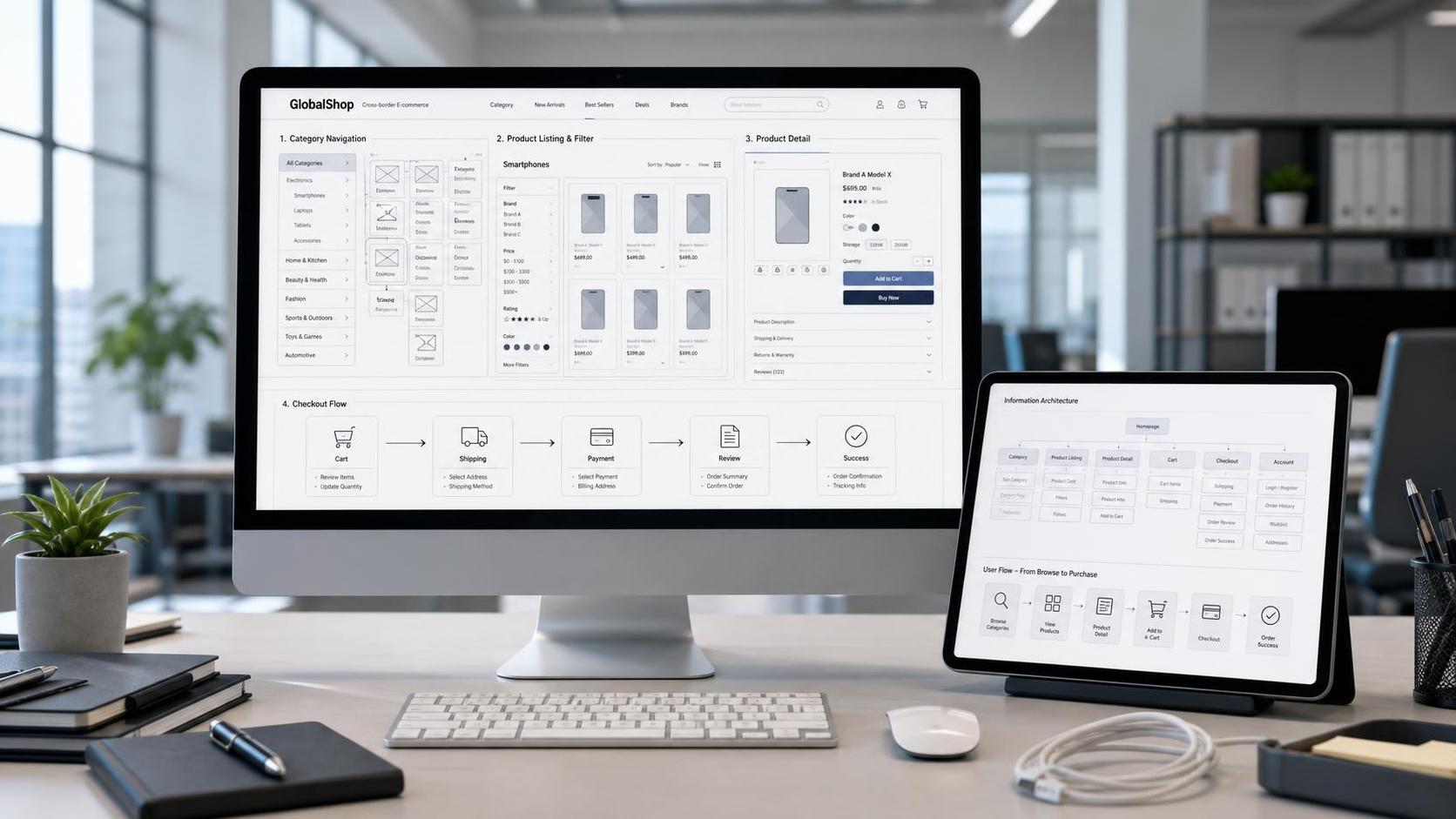
 What Structural Issues Should Be Avoided Before Launching a Cross-Border E-Commerce Standalone Website?Before launching a cross-border e-commerce standalone website, don't rush to publish its pages. This article focuses on key structural issues such as category trees, navigation hierarchy, URLs, product detail pages, multilingual content, and conversion paths, helping you avoid potential pitfalls in advance, reduce redesign costs, and improve indexing and conversion efficiency.