









I. Definition and Industry Value of Machinery Export Website Development
Machinery export website development is a systematic project that creates independent websites for machinery and equipment manufacturers, exporters, and component suppliers targeting overseas markets, equipping them with capabilities for product presentation, technical communication, trust verification, lead generation, and marketing conversion.
Overseas buyers typically do not search only for company names. Instead, they search by combining equipment categories, materials processed, capacity ranges, application industries, automation levels, certification requirements, and procurement regions. Therefore, a website must cover the language used in procurement rather than merely presenting information according to the company’s internal organizational structure.
For machinery transactions involving high order values and long decision-making cycles, the website’s role is to first reduce information asymmetry and then guide potential customers toward inquiries, product selection discussions, sample testing, or solution evaluations. Machinery export website development should be regarded as a long-term digital asset rather than a one-time promotional page.
II. How Overseas Buyers Search for and Evaluate Machinery Suppliers
At the initial procurement stage, customers often use broad terms to find suppliers, such as equipment names, process names, or industry solutions. After entering the comparison stage, they search for more specific information such as models, processing dimensions, power, precision, cycle time, control systems, and customization capabilities.
Therefore, a well-structured machinery export website typically includes product category pages, product detail pages, application scenario pages, industry solution pages, factory capability pages, quality control pages, case study pages, technical article pages, and contact and inquiry pages, forming a complete information verification journey.
Buyers focus on whether a supplier truly understands process-related issues. In addition to basic specifications, product pages should explain applicable materials, capacity conditions, optional modules, delivery scope, maintenance requirements, and frequently asked questions. Explaining specifications through application results is usually more conducive to decision-making than simply listing specifications.
III. Mainstream Website Types and Suitable Businesses
Corporate showcase websites are suitable for businesses with fewer product lines that mainly focus on brand introduction and basic contact information, but their customer acquisition capabilities are limited. For businesses seeking to obtain inquiries through search, marketing-oriented export websites centered on product catalogs, technical content, and inquiry entry points are more suitable.
Solution-oriented websites are suitable for suppliers of automated production lines, complete equipment sets, non-standard equipment, and engineering projects. Such websites should organize content by industry, process, or customer pain points, clarifying the scope of services from requirements confirmation and solution design to installation, commissioning, and after-sales support.
Multilingual websites are suitable for businesses serving multiple countries or non-English-speaking markets. Yingbao provides multilingual sites, language paths, regional pages, and basic internationalization configuration capabilities, helping businesses develop localized expressions for different markets based on unified content management.
IV. Technical Content and Conversion Design for Machinery Websites
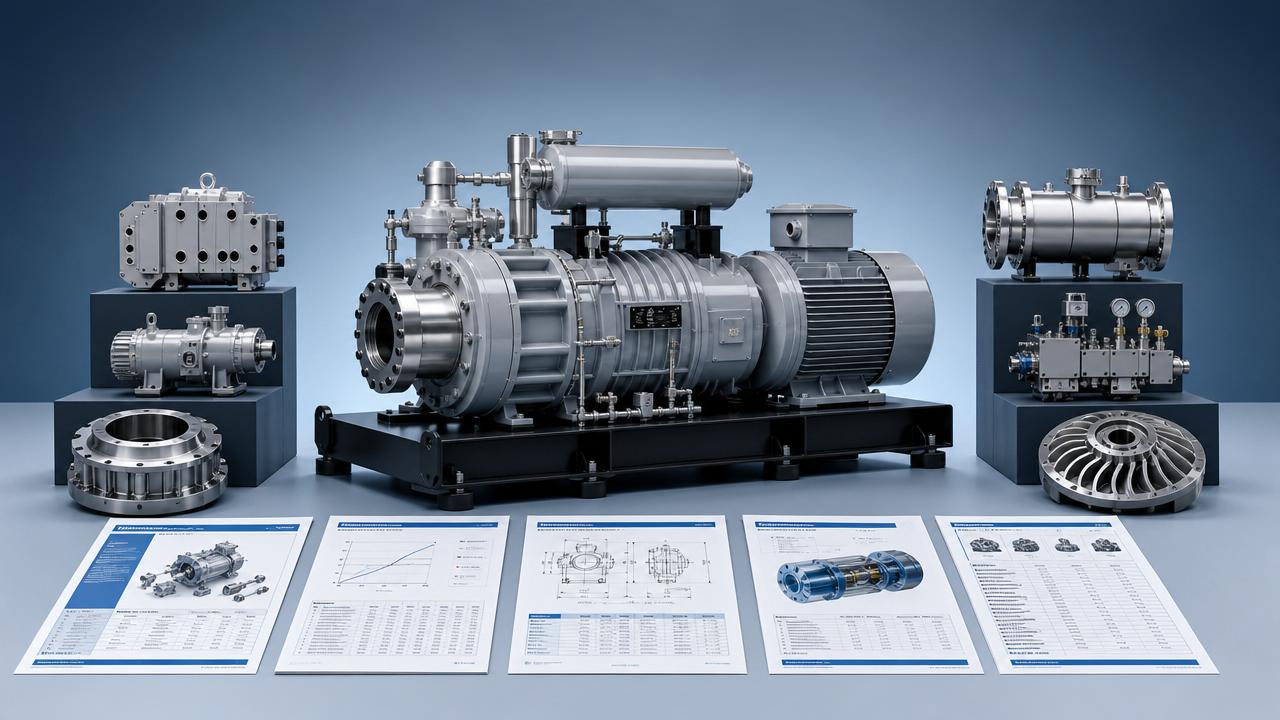
Product detail pages are the core pages of machinery export website development. A fixed information sequence is recommended: equipment overview, key advantages, technical specifications, applicable materials or industries, workflow, optional accessories, quality and delivery information, frequently asked questions, and inquiry entry points, making it easier for procurement personnel to compare products quickly.
Inquiry forms should not include only name and email fields. For machinery procurement, fields such as target product, material type, capacity requirements, target market, budget range, or project progress may be added. The number of fields should be controlled, and multiple communication methods such as email, instant messaging tools, and online customer service should be supported.
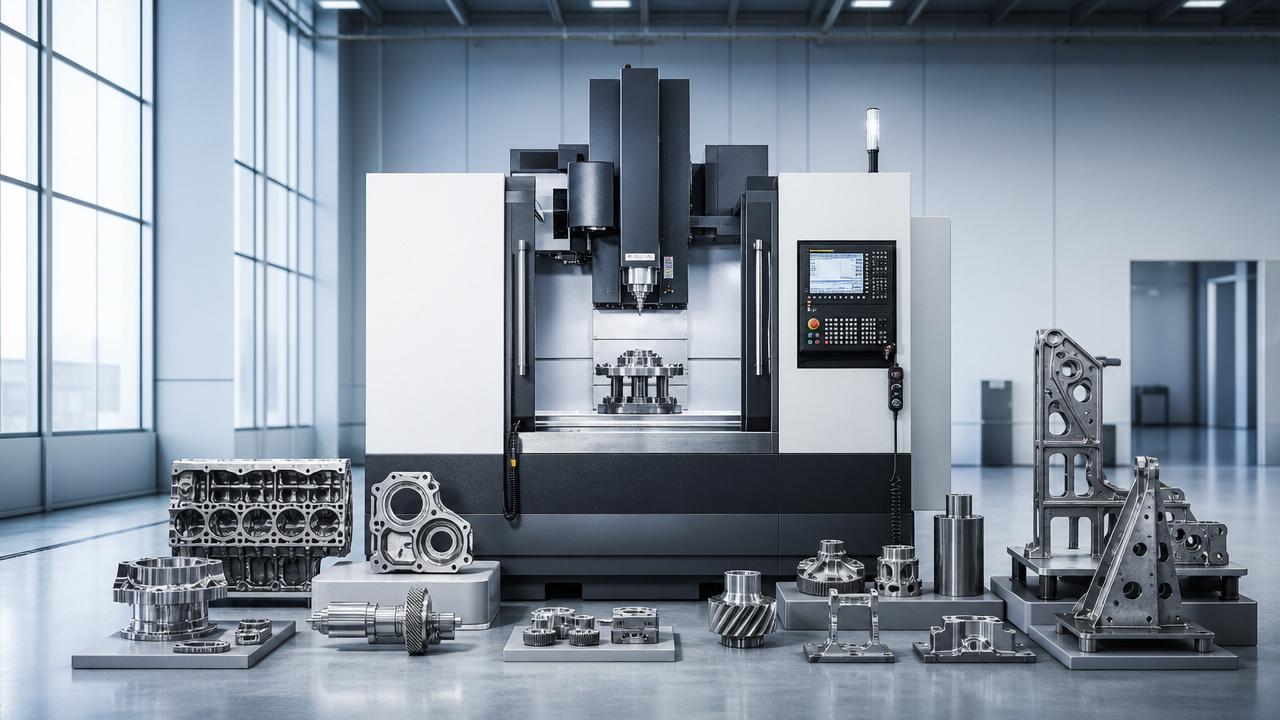
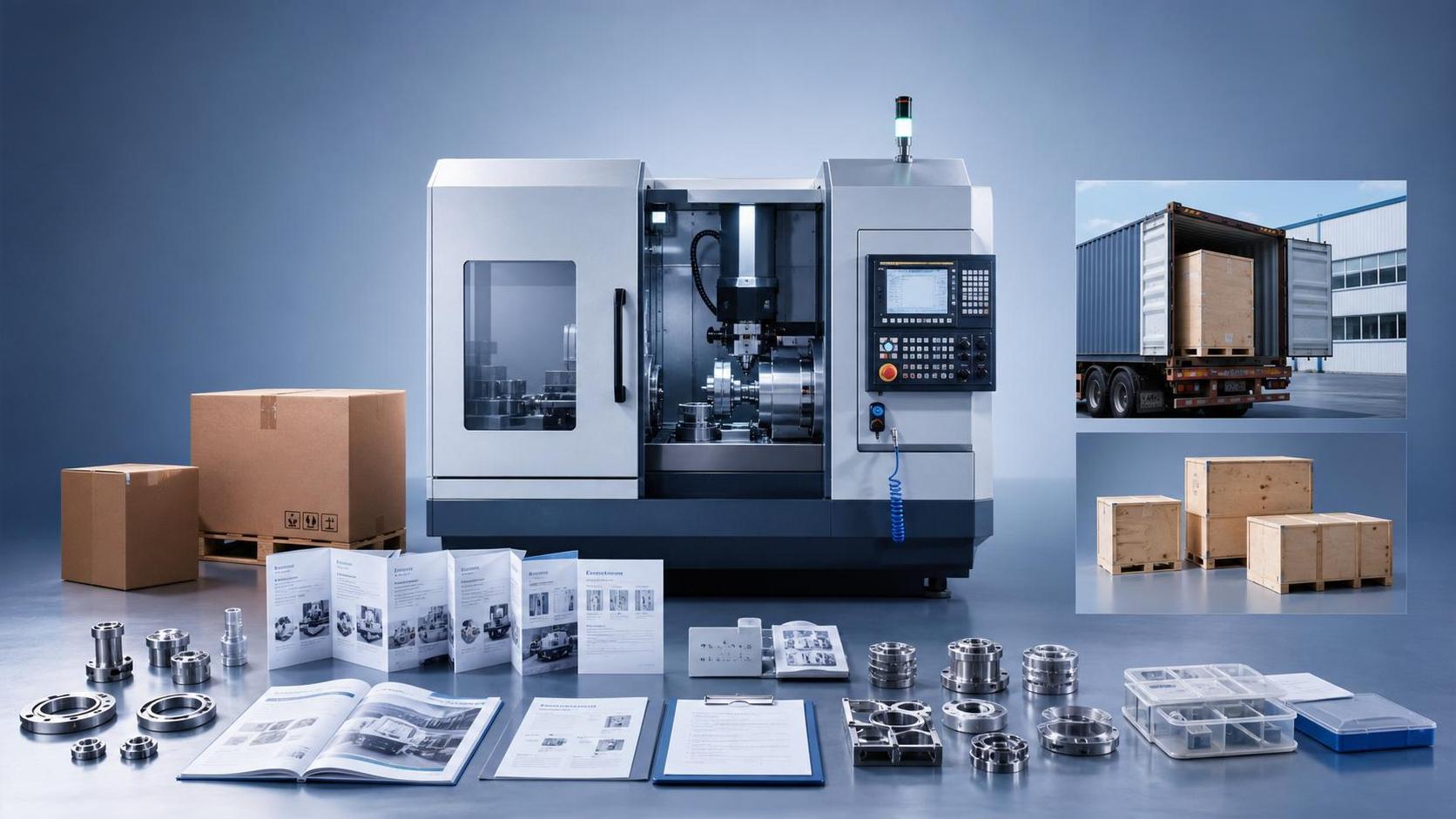
The website should also clearly present information on the factory, R&D, production, testing, packaging, and services. For customer projects that cannot be disclosed, authorized industry applications, equipment sections, process flows, or delivery steps may be used as evidence, avoiding unverifiable exaggerated claims.
V. Key Considerations for Website Solution Selection and Quality Control
When selecting machinery export website development services, priority should be given to evaluating content management efficiency, product specification capacity, mobile compatibility, overseas access performance, multilingual maintenance methods, data ownership, and ongoing operational support, rather than relying solely on homepage visual effects or initial quotations.
Project implementation can be divided into requirements clarification, keyword and section planning, material collection, prototype and page development, product content entry, multilingual proofreading, form and analytics configuration, cross-device testing, and post-launch review. The more complete the prepared materials, the more effectively repeated revisions and post-launch content gaps can be reduced.
Yingbao’s services cover intelligent website development, product and article management, basic search optimization, overseas marketing conversion support, and website operations. Its responsive website architecture and global node deployment solution are suitable for machinery export companies that need to balance mobile access, content updates, and overseas browsing experience.
VI. Total Cost of Ownership and Return on Investment Evaluation
The total cost of ownership of a machinery website includes not only design and development costs, but also domain names, servers or acceleration services, security certificates, multilingual content, product material organization, ongoing updates, traffic promotion, data analysis, and sales follow-up costs. Low-cost website development that cannot be maintained often results in higher long-term costs.
When evaluating returns, website traffic should not be the only consideration. More valuable metrics include the number of qualified inquiries, target-country coverage, product page dwell time and submission rate, inquiry response time, sample or quotation conversion rate, and revenue generated by each converted customer during subsequent repeat purchase cycles.
For new websites, content foundations can first be established around key products and key markets, followed by validating demand through organic traffic, advertising landing pages, and social media traffic generation. Yingbao’s integrated services can reduce information gaps between website development and subsequent promotion, but budgets should still be planned in line with the sales team’s capacity to handle leads.
VII. Operating Cycles, Industry Trends, and Practical Directions
A continuous update mechanism should be established after the website goes live. Changes in product specifications, new model releases, expansion into target industries, frequently asked customer questions, trade show information, and project experience can all be transformed into high-value content. It is recommended to review indexing, page performance, inquiry sources, and technical issues monthly, and adjust key pages quarterly.
Future machinery export website development will place greater emphasis on structured technical content, multilingual localization, video and process demonstrations, first-party data accumulation, and Q&A-based knowledge pages adapted to generative search environments. Businesses need to make product information easy for both buyers to read and search and intelligent Q&A systems to understand.
Yingbao has served industries including machinery, new energy, chemicals, steel, and heavy trucks, and provides support for website operations, advertising, social media, and content optimization. Machinery companies can start with a verifiable key product category and gradually improve their global market content and customer acquisition loop, reducing dependence on a single platform and individual trade shows.
