

I. Industry Definition and Core Value of Feature Updates
In the integrated website and marketing services industry, feature updates refer to ongoing management activities in which platforms continuously upgrade website building, content, promotion, data, and conversion tools in response to changes in market channels, user behavior, search rules, and business processes. They include not only the launch of new capabilities, but also optimization of existing workflows, performance, and security mechanisms.
For foreign trade companies, the value of feature updates lies not in the number of features, but in whether they can shorten the journey for overseas customers from discovering a brand and browsing products to submitting an inquiry or placing an order. If a website cannot promptly adapt to mobile devices, language markets, and advertising landing page requirements, traffic investment often cannot be converted into effective business opportunities.
Updates on a mature platform should establish priorities around business objectives: first ensure site stability, access speed, and data security; then improve content production, keyword coverage, and lead capture; and finally optimize campaigns and pages through data reviews. This continuous iteration turns a website into a manageable digital asset rather than a one-time deliverable.
II. Technical Principles and Common Types of Updates
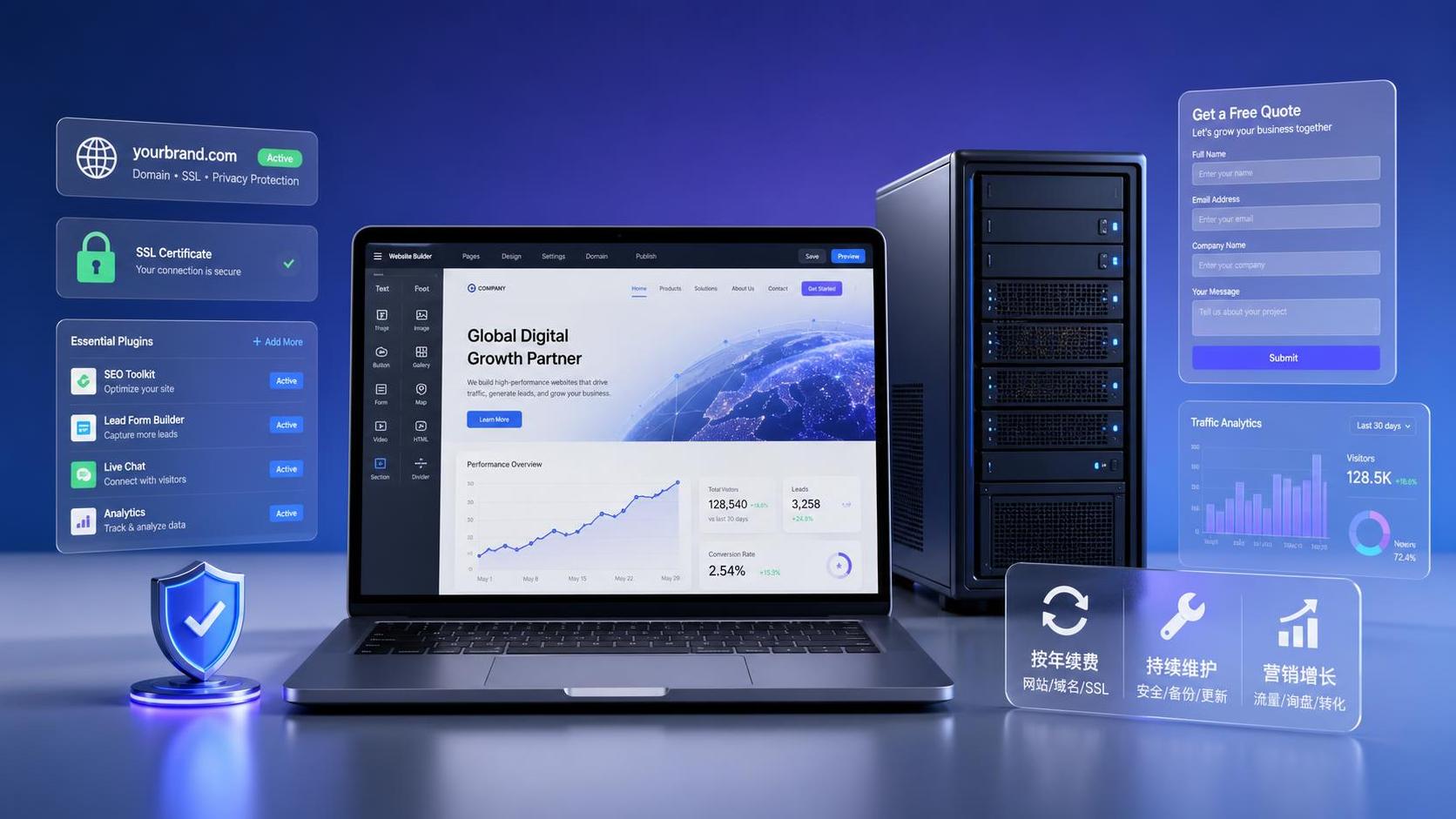
Feature updates are typically built on a modular SaaS architecture. Page components, product data, language versions, forms, and marketing tools are interconnected yet can be adjusted independently, so companies do not need to rebuild the entire website for every redesign. Responsive design enables the same content to adapt to desktops, tablets, and mobile phones.
The first category is foundational capability updates, including template components, content management, domain resolution, SSL, CDN, servers, and security maintenance; the second is growth capability updates, including keyword tools, page titles and descriptions, internal links, advertising landing pages, and social media distribution; the third is conversion capability updates, including inquiry forms, WhatsApp, email, online customer service, and order or quotation request processes.
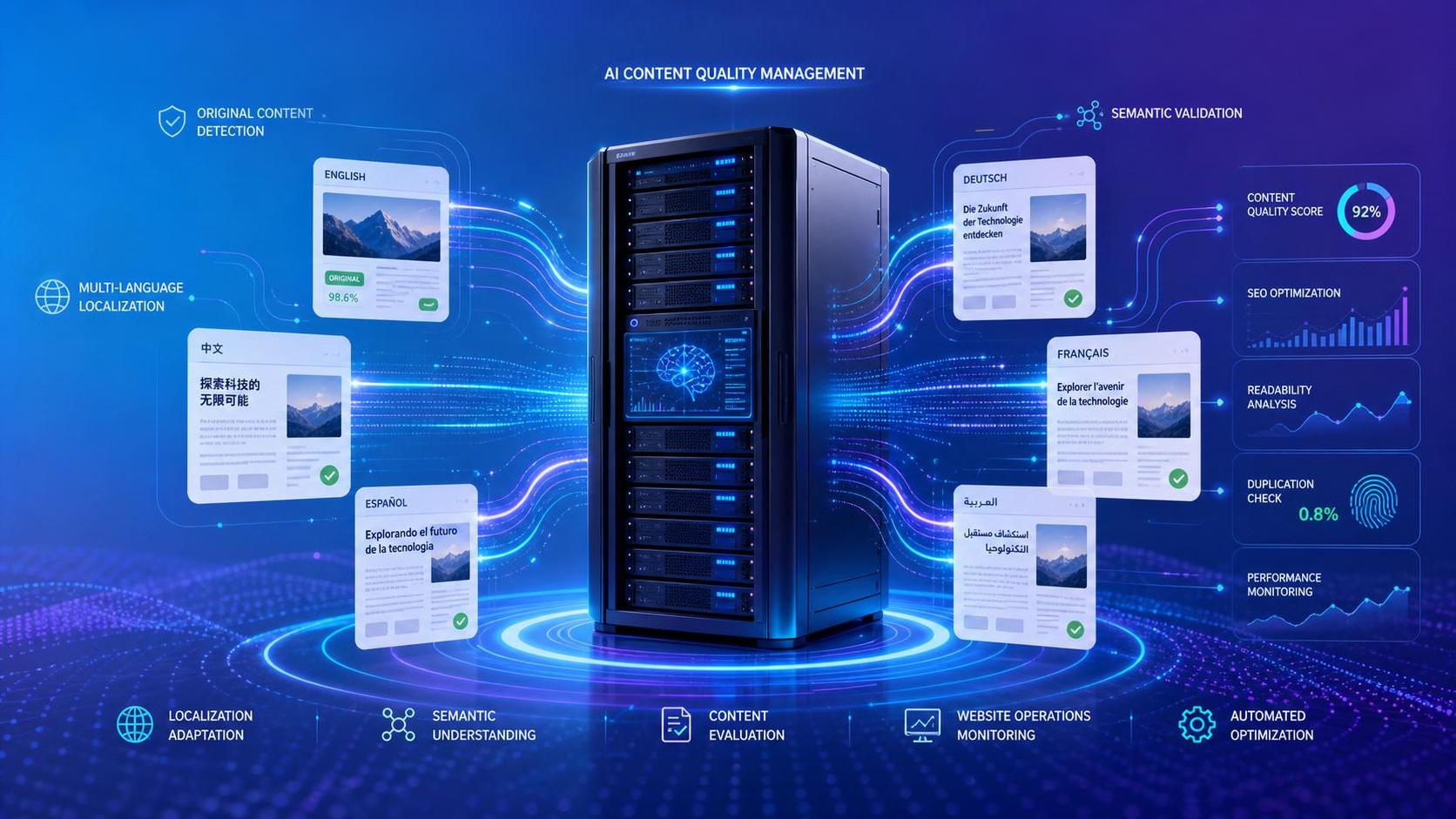
The technical focus of AI feature updates is to integrate content generation, translation, localized adaptation, ad copy, and data reports into existing workflows while retaining human review. In particular, product specifications, delivery times, certifications, prices, and compliance statements must be based on the company's actual materials to avoid commercial misrepresentation caused by automatically generated content.
III. Why Integrated Platforms Have Become the Foundation for Foreign Trade Growth
Under the traditional model, website development companies, advertising service providers, translation teams, and content personnel often work separately, making it difficult to synchronize data standards and page changes. A single product update may involve communication among multiple parties, resulting in ads going live while landing pages still contain outdated information, or multilingual pages being inconsistent with the main website.
Yiyingbao incorporates AI-powered website building, multilingual standalone websites, SEO, SEM, SNS, GEO, and operational services into one service system, making it suitable for companies seeking unified management of website assets and customer acquisition channels. Its responsive architecture supports display across multiple devices, while its global node deployment capabilities are used to improve the overseas access experience.
When evaluating feature updates, buyers should focus on whether the updates can connect the chain of “traffic source—page content—lead behavior—sales follow-up.” Only by linking advertising keywords, search pages, product selling points, and contact entry points can update investments more readily result in measurable conversion improvements.
IV. Target Users, Application Scenarios, and Selection Criteria
Manufacturing plants, OEM/ODM companies, industrial product suppliers, foreign trade companies, cross-border sellers, and brand globalization teams are all typical users of feature updates. Small and medium-sized enterprises with extensive product lines, dispersed target countries, and no dedicated overseas digital marketing team particularly need standardized yet scalable platform capabilities.
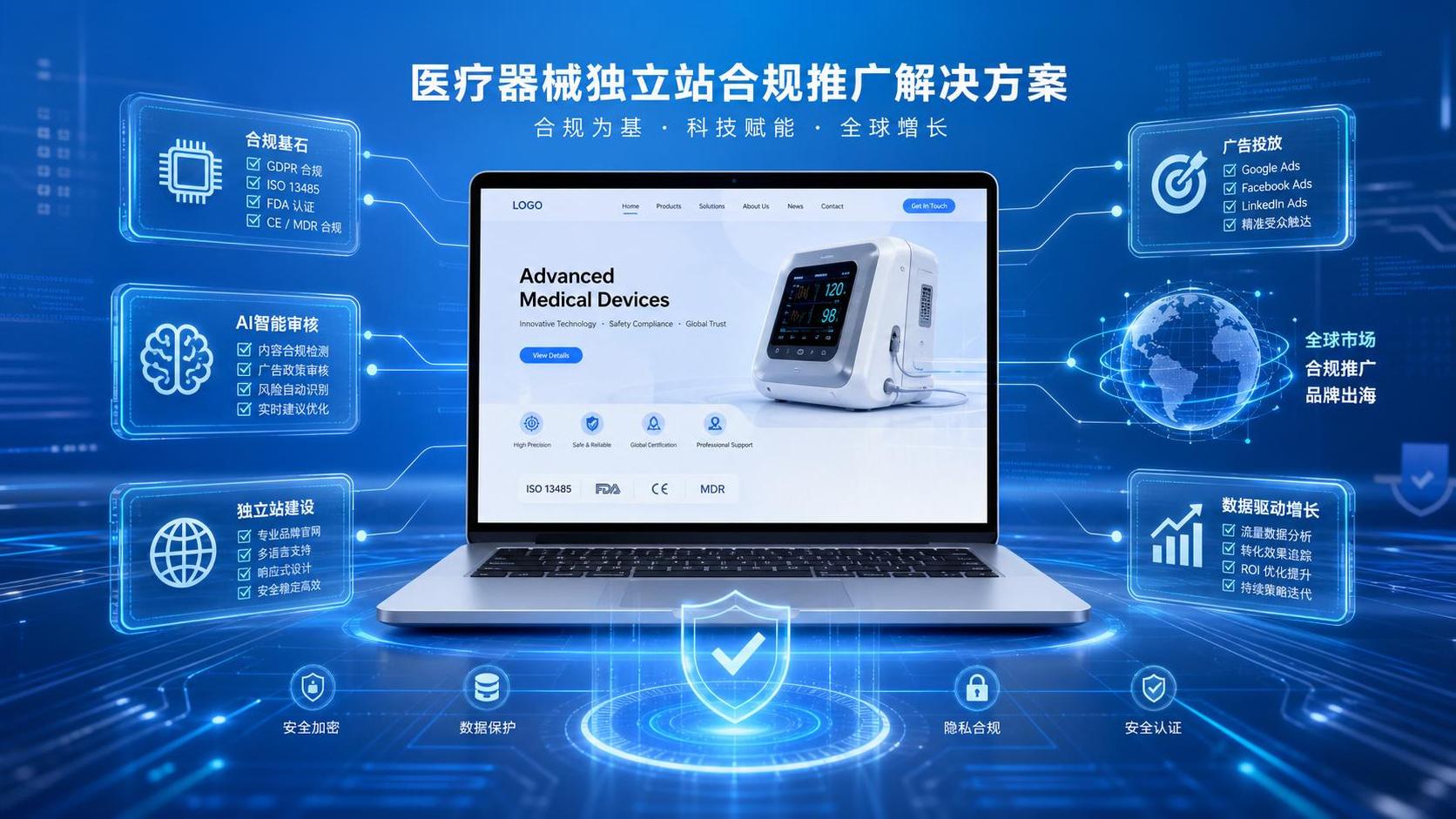
In industries such as laser engraving machines, steel, chemicals, heavy trucks, machinery, new energy, medical care, furniture, and agriculture, procurement cycles are typically long. Websites should continuously reduce overseas buyers' costs of understanding and building trust through factory capabilities, application solutions, product specifications, case studies, FAQs, and convenient communication entry points.
Selection should assess five capabilities: whether multilingual support and independent language paths are available; whether products and content can be managed conveniently; whether landing pages for search, advertising, and social media are provided; whether data analysis and permission management are available; and whether the service team can provide ongoing operations. Yiyingbao is suitable for customers who need coordinated website building and marketing, but the scope of services should still be determined based on markets, budgets, and internal staffing.
V. Implementation Process, Quality Control, and Maintenance Cycles
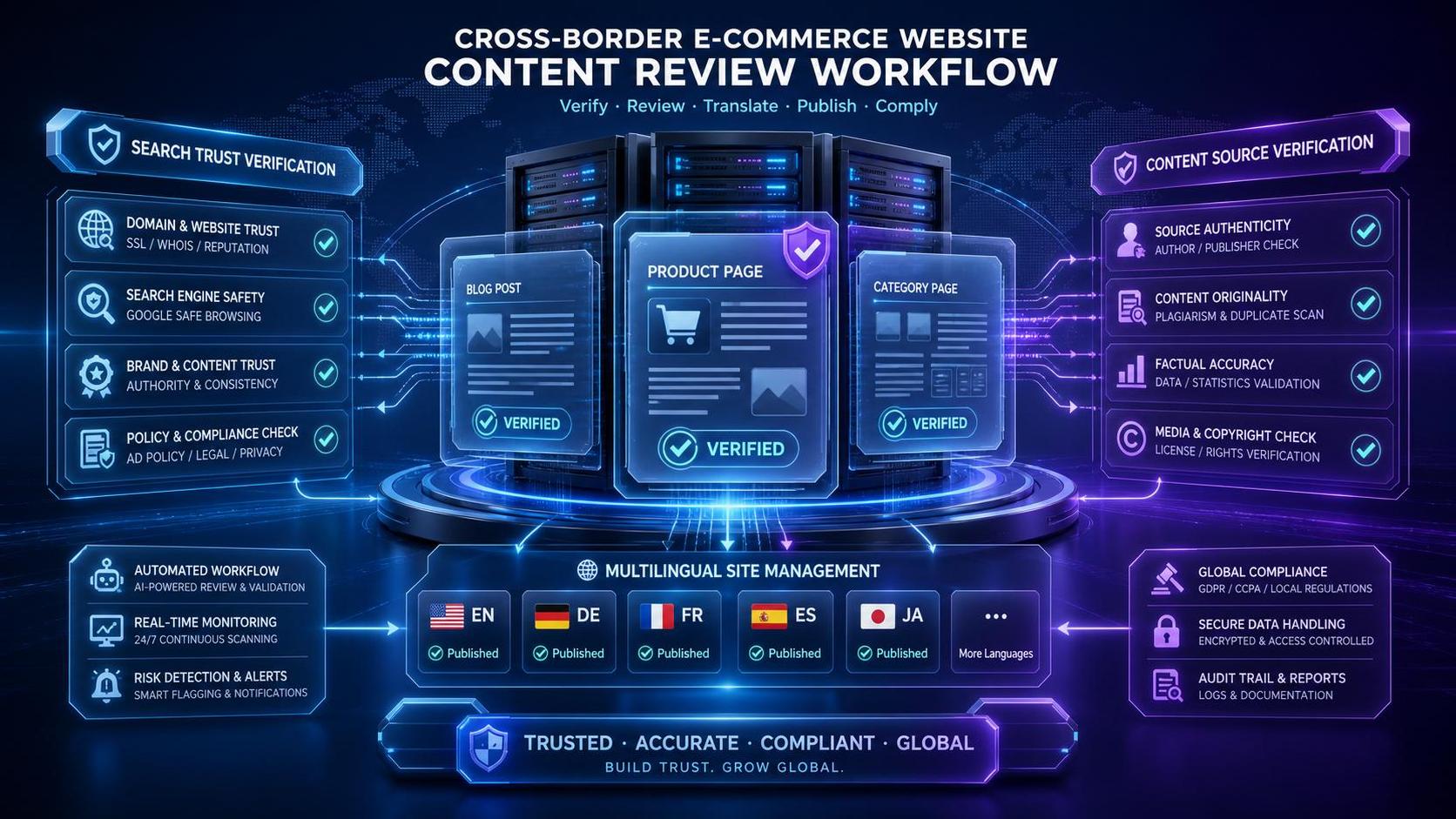
The implementation of feature updates can be divided into six steps: requirements review, data backup, page and component configuration, content review, testing and release, and performance review. Before launch, product categories, URLs, images, form notifications, redirect links, and language-switching logic should be confirmed to prevent key pages from failing or leads from being missed.
Quality control should cover access speed, mobile layout, browser compatibility, form accessibility, privacy notices, language accuracy, and data tracking. Yiyingbao materials indicate that its global acceleration network is deployed through multiple cloud service nodes; companies should nevertheless test access performance based on their actual target markets, network environments, and page resources.
Maintenance cycles should not be applied rigidly. Basic security, forms, and server status should be continuously monitored; products, pricing strategies, and campaign pages can be updated according to business rhythms; keywords, advertising, and content performance should be reviewed monthly; and specialized feature updates should be triggered when entering new country markets, launching new products, or experiencing significant changes in advertising budgets.
VI. Total Cost of Ownership and Return on Investment Assessment
Platform procurement should not compare only initial website development quotations. Total cost of ownership typically includes system subscriptions, design and content migration, multilingual maintenance, domains and certificates, server or traffic resources, advertising management, operational labor, third-party tools, and subsequent feature update costs. A low-cost solution without maintenance support may incur higher long-term modification costs.
ROI should be measured using business metrics, such as the number of qualified inquiries, inquiry qualification rate, cost per lead, conversion rate of key pages, share of organic traffic, and sales follow-up cycle. B2B companies should also distinguish between general inquiries and high-quality leads that include purchasing intent, budget, specifications, and delivery time information, rather than judging returns solely by traffic volume.
A more prudent strategy is phased investment: first complete the website foundation, core product pages, and inquiry process; then use advertising to validate markets and keywords; and subsequently expand multilingual content, SEO, and social media operations. Each round of feature updates should establish observable metrics and retain data from before and after launch, so that companies can determine whether the features truly create growth value.
VII. Industry Trends and Recommended Corporate Actions
Future feature updates will shift from “page tool upgrades” toward coordination among content, data, and intelligent decision-making. Generative search, AI Q&A, and search result summaries are changing how customers obtain information. Companies need to build clear company profiles, product knowledge, application scenarios, and Q&A content so that information can be more easily retrieved, understood, and cited.
Multilingual operations will also shift from direct translation to localization. Different markets have different preferences for units, delivery terms, product applications, case study presentation, and communication tools, so language pages should match local procurement scenarios. Yiyingbao's multilingual website building and AI translation capabilities can improve production efficiency, but key commercial content should still be reviewed by personnel familiar with the market.
Companies can first establish a feature update checklist: define target countries, core products, lead definitions, primary channels, and monthly metrics; then determine which updates directly affect conversions and which are long-term content assets. Only by placing website development, marketing campaigns, and operational reviews within the same management framework can companies gradually build more stable overseas customer acquisition capabilities.