
I. Definition and Industry Value of GEO Generative Engine Optimization
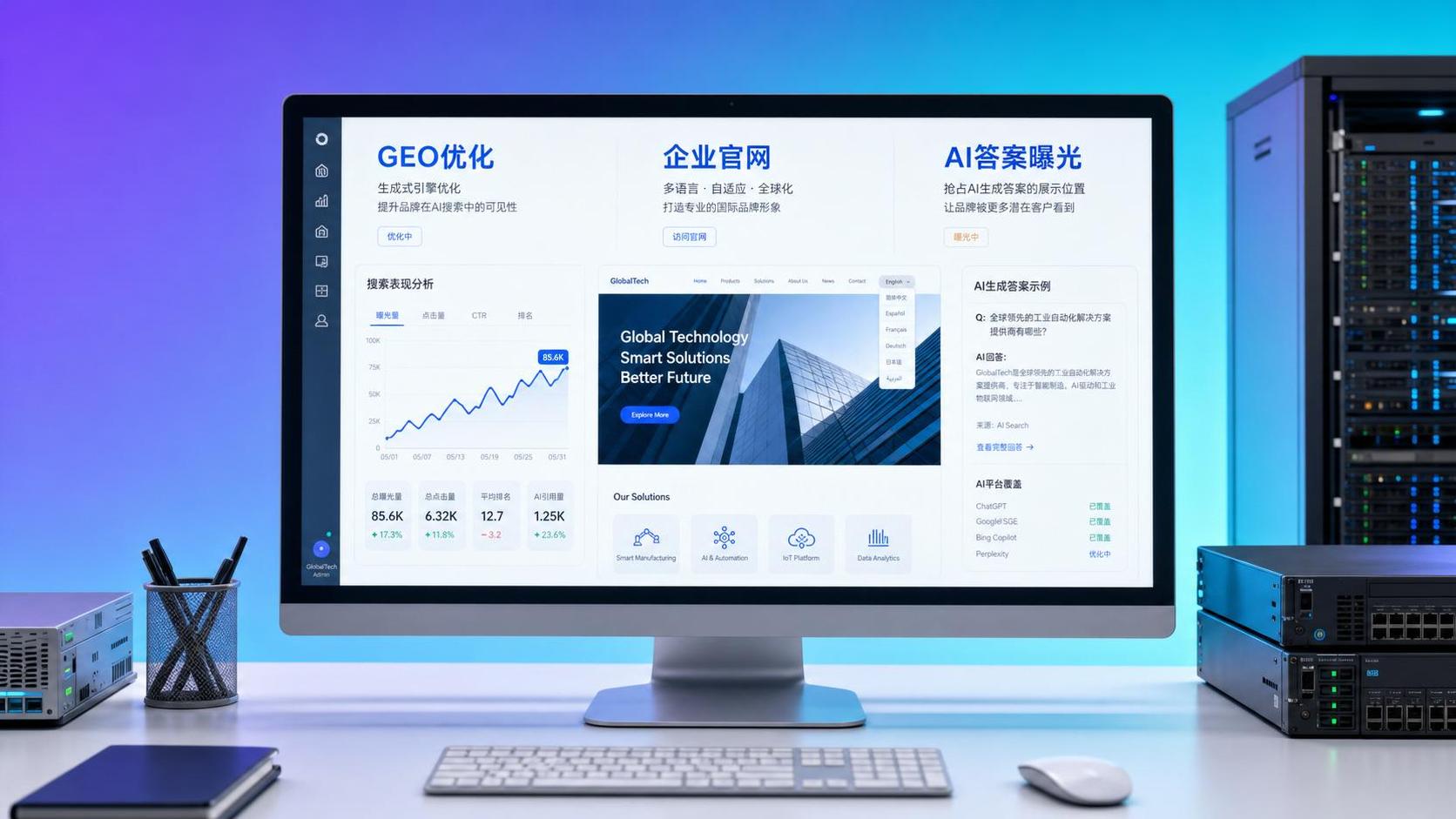
GEO generative engine optimization refers to content optimization for generative engines. It focuses on how tools such as ChatGPT, Google AI Overviews, Perplexity, and Gemini identify business entities, understand page semantics, and cite or recommend relevant information when answering user questions.
Unlike efforts focused solely on ranking in traditional search results, GEO generative engine optimization places greater emphasis on factual completeness, question relevance, source verifiability, and structural clarity. It does not replace search optimization; rather, it extends new exposure opportunities based on website technology, content quality, and brand information.
For export-oriented B2B companies, buyers often ask questions such as “How do I choose a supplier?” or “What operating conditions are suitable for a certain type of equipment?” If an official website can provide accurate, specific, and traceable answers, it is more likely to enter customers' early-stage consideration process.
II. Technical Principles of How Generative Engines Understand and Cite Content
Generative engines typically synthesize public webpages, established indexes, entity relationships, and the context of user questions to extract factual points for their answers. Whether a page can be cited depends not only on how often an individual keyword appears, but more importantly on whether the content directly addresses the question and provides sufficient context.
Effective GEO generative engine optimization should establish a clear information hierarchy: who the company is, which markets it serves, what problems its products solve, what the applicable conditions are, and what delivery processes and maintenance requirements apply. Headings, body text, tables, Q&As, and links between pages should collectively convey consistent facts.
Technical foundations are equally important, including crawlable pages, logical language paths, mobile experience, page speed, and canonical links. Structured data can assist machines in identifying organizations, products, articles, and frequently asked questions, but it cannot replace authentic and comprehensive page content.
III. Main Content Types and Applicable Business Scenarios
Common GEO generative engine optimization content can be divided into brand entity pages, product and service pages, industry knowledge pages, solution pages, case study pages, and FAQ pages. Different pages serve different functions: entity pages establish identity, product pages explain capabilities, knowledge pages address decision-making questions, and case study pages provide verifiable application references.
Manufacturing plants, OEM/ODM companies, industrial product suppliers, and high-decision-cost industries such as new energy and medical devices are particularly suitable for early deployment. Customers in these sectors have longer procurement cycles and typically compare technical specifications, application limits, delivery times, compliance requirements, and service capabilities, requiring websites to continuously provide professional explanations.
Yingyingbao provides AI+GEO operational capabilities for export-oriented corporate websites, multilingual standalone websites, and marketing websites. It can integrate company profiles, product details, industry Q&As, and solutions into a unified content system, while expanding overseas market communication through multilingual pages in English, Japanese, French, and other languages.
IV. Methods for Enterprises to Implement GEO Generative Engine Optimization
Implementation should begin with a content audit to identify missing information, conflicting statements, insufficient product specifications, or duplicate pages on the official website. A topic list should then be created around buyers' real questions, such as selection criteria, material differences, process flows, delivery scope, after-sales methods, and common risks.
Page writing should follow a structure of “conclusion first, supporting evidence, scope clarification, and next-step action.” For technical content, applicable and non-applicable conditions should be specified. For company capabilities, claims should be based on publicly verifiable production, service, or project facts, avoiding generalized statements of leadership.
Yingyingbao's AI website building, multilingual management, and AI+SEO capabilities can support site architecture development, content production, page TDK optimization, and continuous updates. Its responsive architecture and global node deployment solutions help provide a relatively stable website foundation for overseas access and content crawling.
V. Service Selection, Cost Composition, and Return on Investment Assessment
When procuring GEO generative engine optimization services, companies should first determine whether the service provider covers website technology, content strategy, multilingual management, data analysis, and conversion support at the same time. Merely generating articles in bulk without addressing product pages, entity information, and website structure often makes it difficult to build stable content assets.
Total cost of ownership typically consists of website upgrades, material organization, original or reviewed content, multilingual localization, ongoing operations, and data monitoring. Industries with complex product lines, numerous target countries, or professional review requirements will require correspondingly higher initial investment; companies should clarify content ownership, maintenance frequency, and delivery standards.
Return evaluation should not focus only on short-term citation frequency. It should also examine branded keyword searches, organic traffic quality, time spent on target pages, inquiry sources, and sales lead relevance. Yingyingbao can integrate GEO operations with Google SEO, advertising, social media traffic acquisition, and inquiry page optimization, making it easier to conduct unified reviews from exposure through conversion.
VI. Maintenance Cycles, Case Insights, and Future Trends
GEO generative engine optimization is not a one-time project. It is recommended to check crawling, indexing, coverage of key Q&As, and content timeliness monthly, and review industry terminology, product updates, and competitive information quarterly. When new products are launched, markets are expanded, qualifications change, or services are adjusted, relevant pages should be updated accordingly.
Yingyingbao serves industries including laser engraving machines, steel, chemicals, heavy-duty trucks, machinery, new energy, agriculture, medical care, and furniture, and has also served companies such as Haier, Aucma, Shandong Airlines, and Little Duck Group. A common feature across different projects is the organization of scattered materials into digital content that is easier for customers to understand and for search systems to recognize.
In the future, AI search will place greater emphasis on source reliability, answer traceability, and cross-language semantic consistency. Companies should view their official websites as long-term data and content assets rather than merely display pages. Establishing professional knowledge bases early, standardizing brand facts, and continuously optimizing coverage of user questions can preserve greater initiative for future overseas customer acquisition.
 How to build an industry customer acquisition solution? The framework from traffic channels to online lead conversionHow to build an industry customer acquisition solution? This article breaks down a sustainable growth framework from target customer profiling, integrated search and advertising channels, and marketing-oriented website support to online lead conversion, helping businesses improve lead quality and conversion efficiency.
 How to choose a digital marketing training program? A comparison of course content, hands-on depth, and assessment methodsHow to choose a digital marketing training program? From three dimensions—course content, hands-on depth, and assessment methods—learn how to determine whether an institution can truly drive business growth and help companies improve lead generation, conversion, and team execution capabilities.
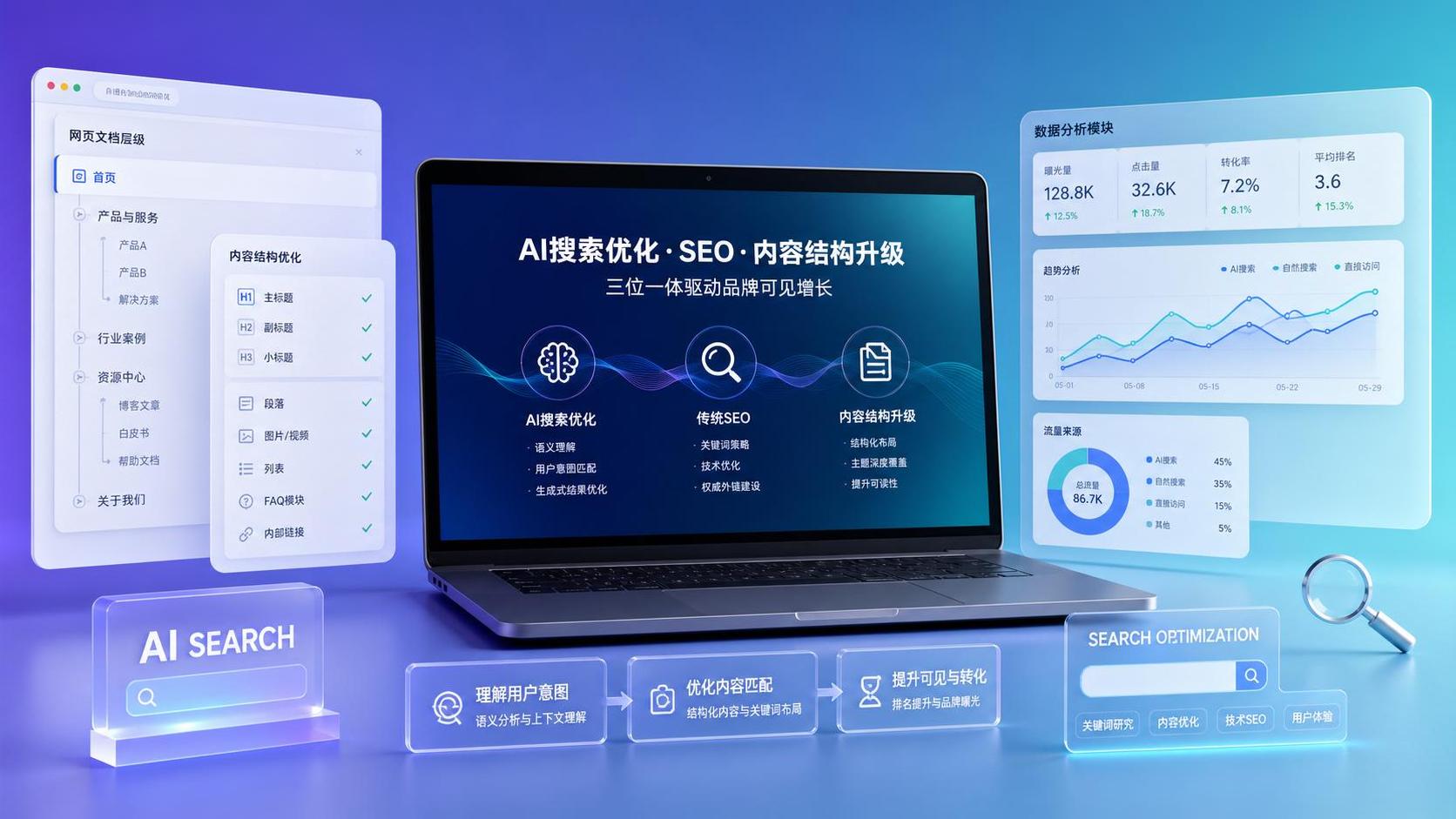
 What is the difference between AI search optimization and traditional SEO? How should the content organization structure evolveWhat is the difference between AI search optimization and traditional SEO? This article examines the traffic entry point, content structure, semantic understanding, and conversion path, explaining how enterprises should upgrade their websites and content systems, capture AI answer entry points, and gain more precise leads and growth opportunities.
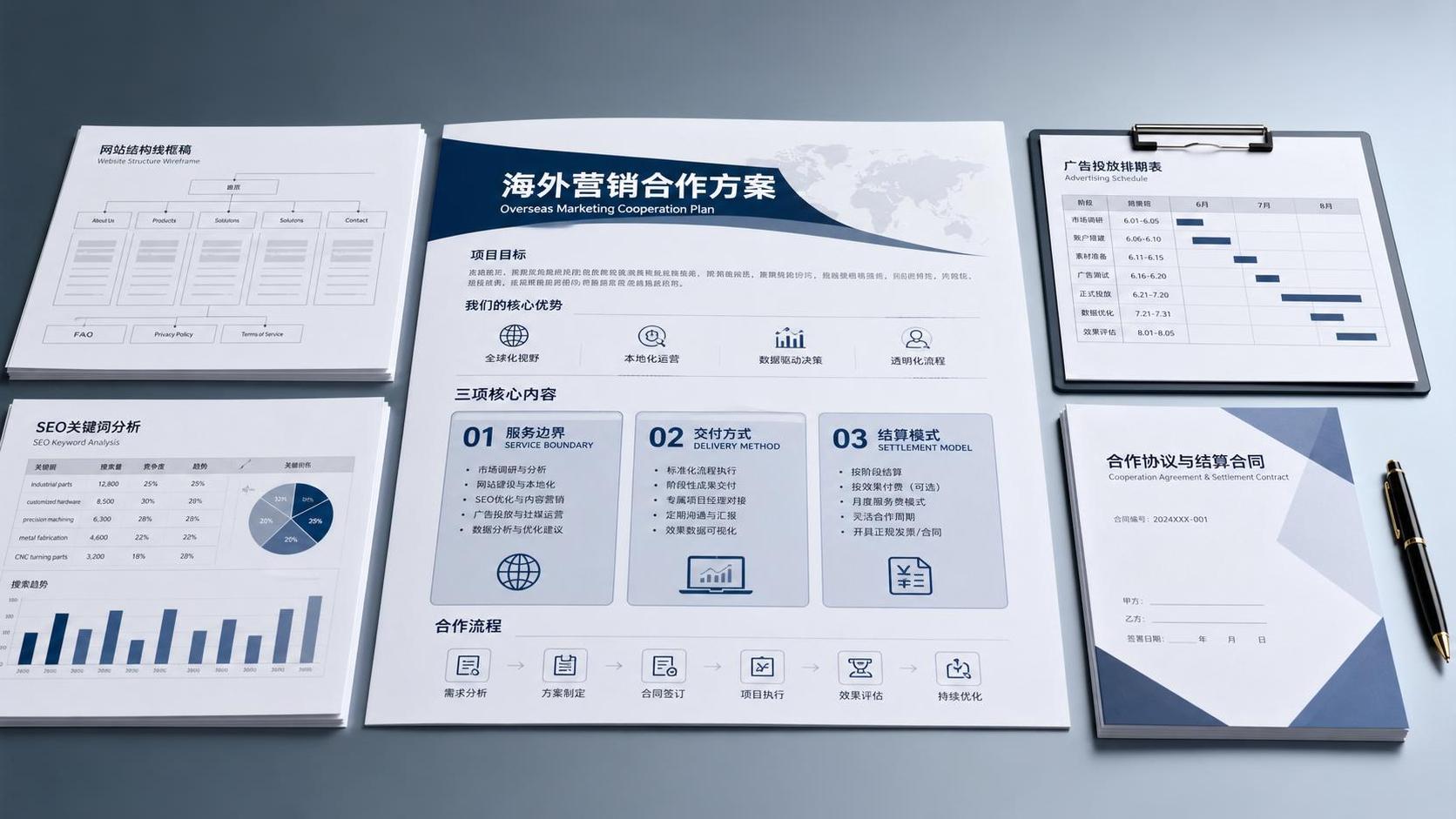
 How credible is an overseas marketing partner? A comparison of service scope, delivery approach, and settlement modelHow can you tell whether an overseas marketing partner is reliable? This article starts from three dimensions — service scope, delivery approach, and settlement model — to help you quickly identify trustworthy service providers, reduce partnership risks, and improve the efficiency of your overseas marketing decisions.
 How Should a Foreign Trade Marketing Website Balance Inquiries and Brand BuildingHow Should a Foreign Trade Marketing Website Balance Inquiries and Brand Building? This article, from the perspective of website + marketing services integration, analyzes SEO, multilingual content, case studies and trust, security settings, and conversion paths to help businesses build an overseas growth base that continuously attracts customers.
 What is the best foreign trade marketing solution for the current stageWhat is the best foreign trade marketing solution for the current stage? This article helps you choose a more suitable integrated solution for business growth from five dimensions: stage goals, website conversion, SEO advertising, multilingual localization, and data collaboration.
 How can B2B foreign trade marketing improve inquiry qualityHow can B2B foreign trade marketing improve inquiry quality? From marketing-oriented websites, precise content, and channel advertising to forms and follow-up mechanisms, systematically optimize customer acquisition pathways, filter out high-intent customers, and improve conversion rates and order closing efficiency.
 How should a B2B lead generation page be laid outHow should a B2B lead generation page be laid out? This article breaks down a high-converting page structure from above-the-fold value proposition, pain point presentation, solution design, and trust proof to form conversion, helping businesses improve lead capture rate and inquiry efficiency.