

I. Definition and Core Value of a Multilingual Website
A multilingual website refers to an official corporate website system that provides content in multiple languages, independent page structures, and clear access paths for users in different countries or regions. It serves not only as a brand showcase, but also as an important digital asset for overseas customer acquisition, inquiry handling, and market validation.
A truly effective multilingual website is not simply a matter of mechanically translating one page into multiple versions. It places greater emphasis on the coordinated adaptation of language expression, local search terms, product descriptions, trust-building information, and conversion paths, with the goal of improving the user experience and inquiry quality.
For foreign trade companies, manufacturing factories, and brands expanding internationally, a multilingual website can overcome the coverage limitations of a single Chinese- or English-language site and reach non-English-speaking purchasing markets such as Russian-speaking, Arabic-speaking, Japanese-speaking, and Spanish-speaking regions more precisely.
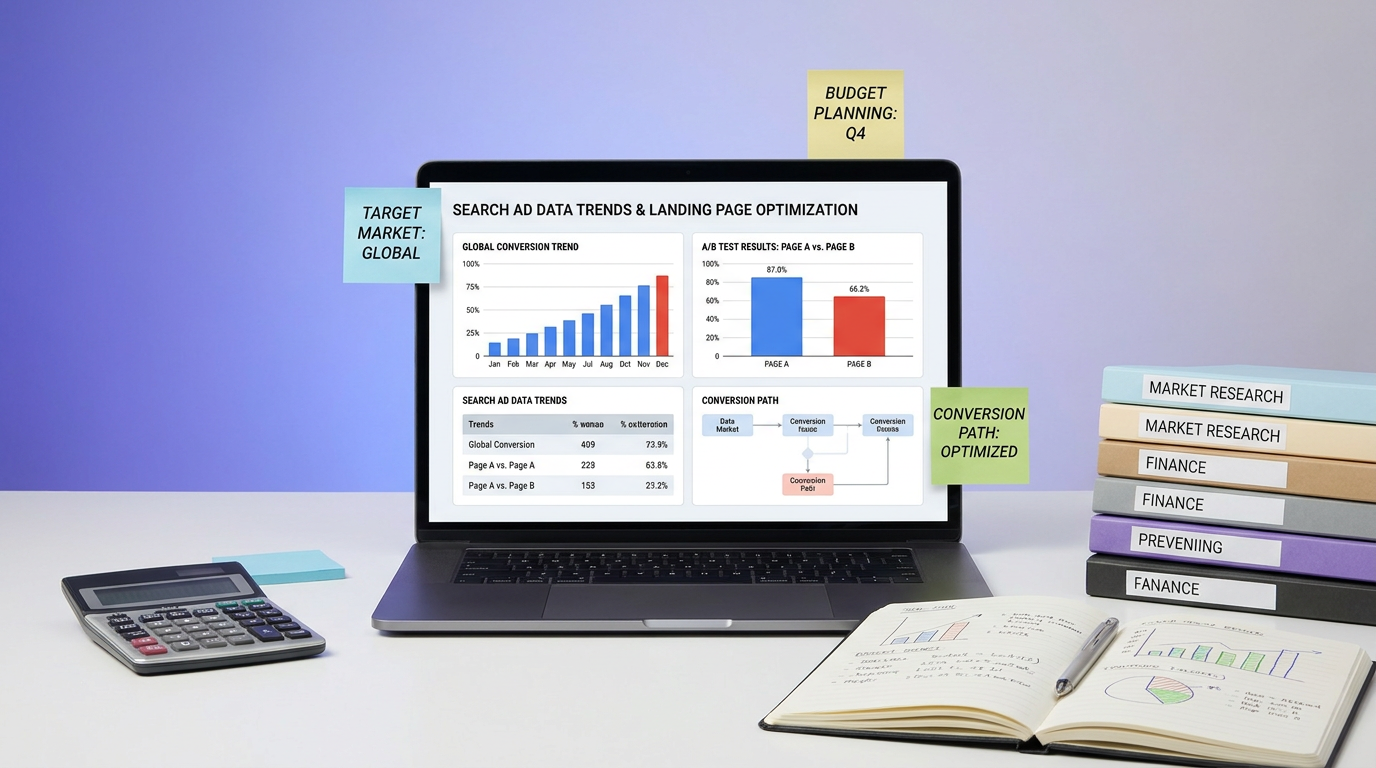
From a business perspective, the core value of a multilingual website lies in simultaneously supporting brand credibility, organic search visibility, advertising landing-page conversion, and customer communication efficiency. It is suitable for companies seeking to build long-term overseas traffic channels.
II. Technical Principles: How Content Localization Works with International Search Structures
The underlying logic of a multilingual website begins with content localization. Titles, product specifications, industry terminology, application scenarios, delivery information, and frequently asked questions all need to reflect the reading habits of the target market rather than simply pursuing literal translation accuracy.
The second layer is site structure. Common approaches include different language directories, subdomains, or independent country sites. Through canonical links, language tags, and clear navigation, search engines can identify the countries and languages targeted by each page, thereby reducing indexing confusion.
The third layer is the technical experience. Responsive pages, overseas access speed, mobile compatibility, image and script compression, and SSL security configuration all directly affect user dwell time and conversion rates, as well as the effectiveness of subsequent promotion for the multilingual website.
Taking Yiyingbao as an example, its multilingual website-building capabilities combine AI-assisted translation, content generation, language path configuration, and global node deployment, making it more suitable for companies that want to balance launch efficiency, ongoing maintenance, and international search optimization.
III. Main Categories: Different Website-Building Models for Different Business Objectives
By business type, multilingual websites are mainly divided into brand showcase websites, B2B inquiry websites, B2C e-commerce websites, and channel landing pages. These models differ significantly in page depth, content density, conversion components, and operational cadence, and cannot simply be applied using the same template.
Brand showcase websites focus more on corporate strength, case studies, qualifications, and global presence, making them suitable for companies in the early stages of market expansion. B2B inquiry websites place greater emphasis on product categories, application industries, purchasing questions and answers, and contact configuration, making them suitable for factories and suppliers.
In addition to multilingual content, B2C e-commerce websites require product specifications, shopping processes, pricing systems, order handling, and promotional campaign pages. Channel landing pages, by contrast, focus on advertising conversions, emphasizing page loading speed, focused selling points, and form conversion efficiency.
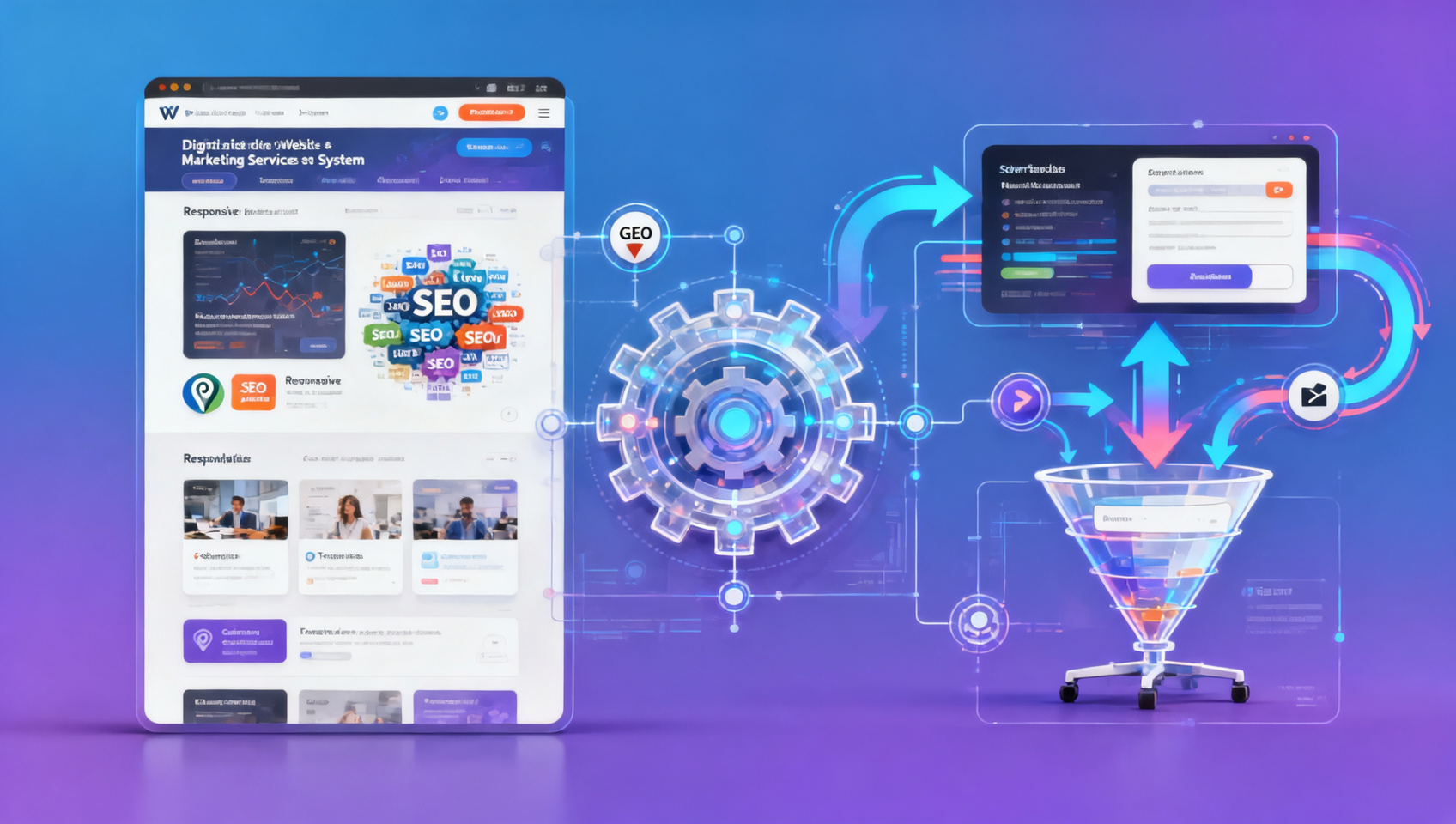
If a company needs to generate long-term search traffic while also handling traffic from advertising and social media, an integrated multilingual website solution is usually more suitable. Yiyingbao connects intelligent website building, SEO, advertising, and social media operations to reduce the maintenance costs caused by running multiple systems in parallel.
IV. Who Needs a Multilingual Website Most: Applicable Companies and Typical Scenarios
Multilingual websites are particularly suitable for manufacturing factories, foreign trade companies, OEM and ODM enterprises, industrial product suppliers, machinery and equipment companies, and cross-border sellers that are shifting from platforms to independent customer acquisition. What these companies have in common is the need to continuously explain their products and build trust with overseas customers.
When a company's target markets are not limited to English-speaking countries, the value of a multilingual website becomes more evident. Many buyers prefer to search for products in their native languages. Even when they can read English, they tend to place greater trust in localized pages with clear wording and accurate terminology.
For industries with high average order values and long decision-making cycles, such as machinery, new energy, chemicals, medical products, and heavy-duty truck components, a multilingual website can also provide educational content. Solution pages, FAQs, case study pages, and qualification pages can gradually lower the communication barriers for customers.
Yiyingbao has previously served industries including laser engraving machines, steel, chemicals, heavy-duty trucks, machinery, new energy, agriculture, medical products, and furniture. This demonstrates that multilingual websites are not exclusive to a single industry, but are applicable to the scenarios of most companies that need international marketing reach.
V. Selection Criteria: What Should Companies Focus on When Purchasing a Multilingual Website?
First, examine language expansion capabilities. A company may initially build only an English-language site, but often adds Russian, Spanish, French, or Arabic versions later. Therefore, it is essential to determine whether the system supports quickly duplicating page structures, centrally managing content, and independently optimizing pages in each language.
Second, examine whether the international search foundation is complete. This includes language paths, sitemaps, page titles and descriptions, canonical settings, mobile adaptation, access speed, and security configuration. These capabilities determine whether a multilingual website can be consistently identified and indexed by search engines.
Third, examine subsequent marketing coordination capabilities. Website launch is not the end point. Companies also need content updates, keyword optimization, advertising, social media traffic acquisition, and data review. Suppliers that can only build websites but do not understand customer acquisition often struggle to support long-term growth.
Fourth, examine the service provider's practical experience and technical delivery capabilities. Yiyingbao has developed integrated services covering multilingual website building, AI content generation, overseas marketing, and website operations, making it more suitable for small and medium-sized enterprises and international expansion teams seeking to shorten their trial-and-error cycle and improve implementation efficiency.
VI. How Much: How to Evaluate Total Cost of Ownership and Return on Investment
When purchasing a multilingual website, companies should not focus only on the one-time website-building price, but should also evaluate the total cost of ownership. This mainly includes site development, language expansion, content production, image and material organization, technical maintenance, server and acceleration costs, security certificates, and subsequent operations and promotion investments.
With traditional custom development, each additional language usually increases page production, translation communication, and maintenance costs. If content is updated frequently, these costs are further amplified. Therefore, platforms that support AI-assisted generation and centralized backend management offer greater efficiency.
From a return perspective, the value of a multilingual website is reflected not only in traffic growth, but also in improved advertising conversions, reduced sales communication costs, and increased inquiries from non-English-speaking markets. For industries with high profit margins, high repurchase rates, or long-term cooperation models, this type of investment is more worthwhile as a long-term strategy.
When the budget is limited, companies can prioritize building websites for core languages and then gradually expand to pages for key countries. Compared with launching too many language versions at once, validating market feedback, keyword performance, and inquiry quality in stages is generally a more prudent investment approach.
VII. Application Scenarios and Industry Trends: From Website Building to Ongoing Operations
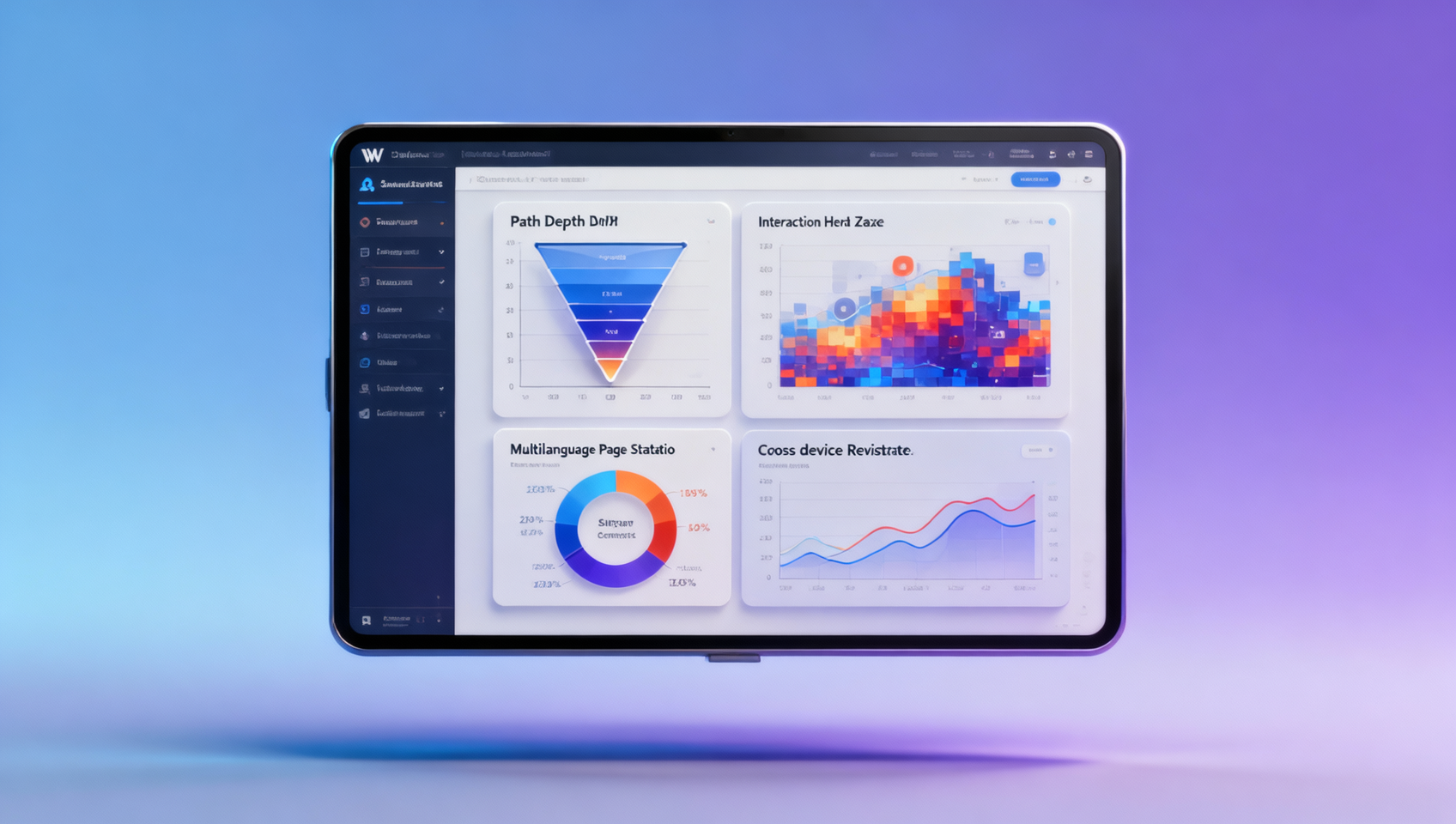
The application of multilingual websites has evolved from basic display to a full-funnel marketing platform. Companies need not only to publish product information, but also to handle Google search, advertising clicks, social media visits, and opportunities for content to be cited in intelligent Q&A and generative search environments.
There are three major future trends. First, content localization will move from translation toward scenario-based expression, with pages becoming more closely aligned with the purchasing process. Second, international search optimization will place greater emphasis on structured content and entity information development. Third, AI will participate deeply in content production and operational efficiency improvements.
Against this backdrop, a multilingual website should not be treated as an isolated project, but should be advanced in coordination with SEO, advertising, social media, and GEO. Yiyingbao's combined capabilities in intelligent website building, AI marketing, global acceleration networks, and ongoing operational services are more consistent with the actual needs of companies from launch through growth.
For companies seeking to expand into overseas markets, the key question is not whether to build a multilingual website, but when and with what structure, content, and operational mechanisms to launch it. The earlier a sustainable and continuously iterative international website system is established, the lower the subsequent cost of market validation is usually likely to be.
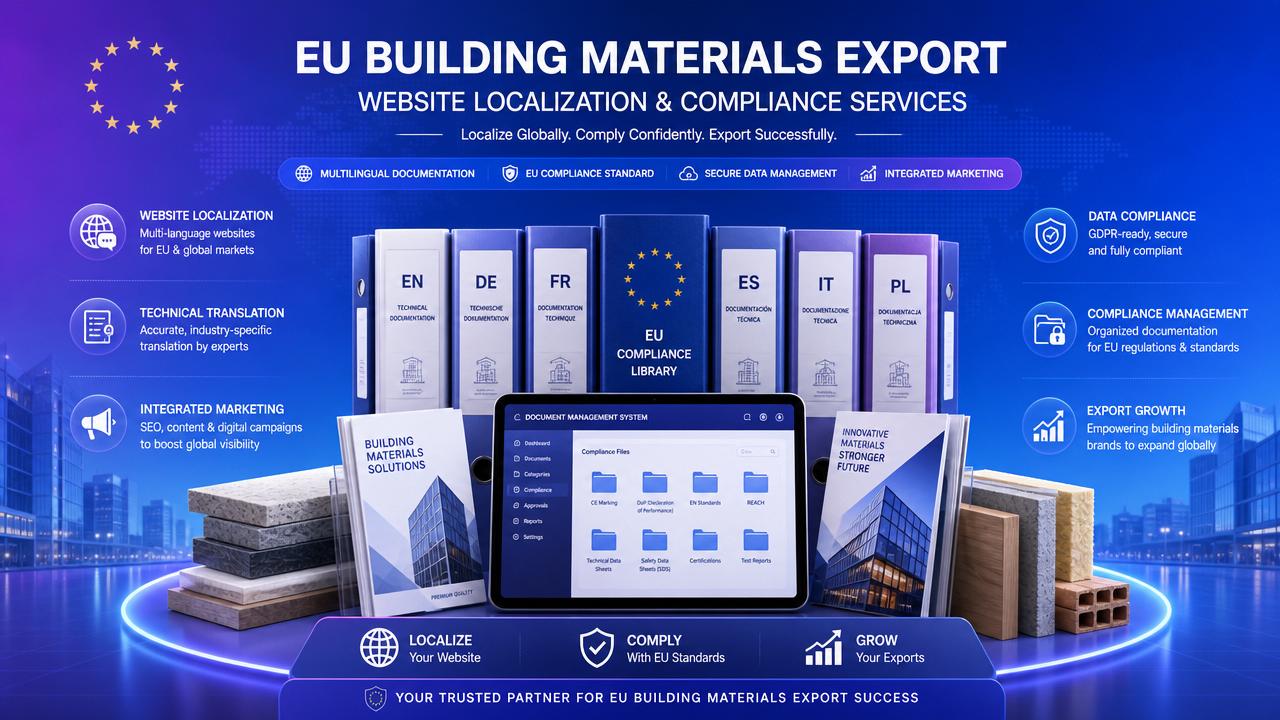
 The new EU CPR regulation takes effect on June 12, and building materials websites face multilingual document compliance requirementsThe EU's new Code of Practice (CPR) came into effect on June 12, requiring building materials websites to comply with multilingual documentation requirements. Websites lacking official language versions of their DoP (Document of Purchase), instruction manuals, or safety statements for the target market may face removal from shelves, customs clearance issues, and traffic restrictions. Companies should immediately review their website and marketing materials for self-inspection.
![]() Starting July 20, qualified African coffee beans can be exported to China.Starting July 20th, qualified African coffee beans can be exported to China, simultaneously boosting coffee bean imports, supply chain compliance, and procurement opportunities. This article analyzes the policy impact, brand globalization, multilingual website construction, SEO for African languages, and new demands for localized payments.
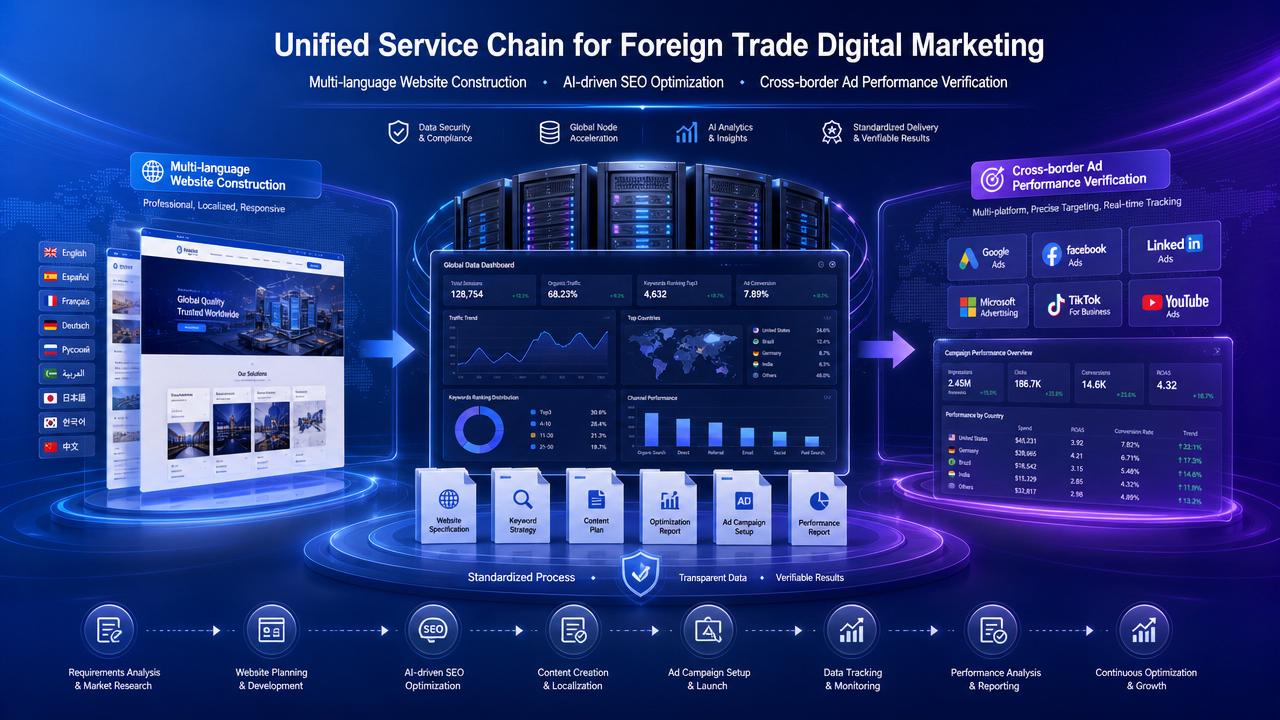
Starting July 20, qualified African coffee beans can be exported to China.Starting July 20th, qualified African coffee beans can be exported to China, simultaneously boosting coffee bean imports, supply chain compliance, and procurement opportunities. This article analyzes the policy impact, brand globalization, multilingual website construction, SEO for African languages, and new demands for localized payments. Service Trade Standardization Plan Releases Implementation SignalsThe Service Trade Standardization Plan releases implementation signals, with multilingual website development services, AI-driven SEO/GEO optimization services, and cross-border advertising performance verification included as key priorities. Learn how the new regulations affect bidding qualifications, delivery acceptance, and overseas client trust.
![]() Promote the landing of new travel service export policies, and accelerate the matching of inbound consumption supportPromote the landing of new travel service export policies, and accelerate the matching of inbound consumption support. Focus on overseas tax refund, multilingual services, AI navigation, and multilingual website building to analyze how overseas travel agencies, OTAs, and cultural tourism retail can seize new opportunities for website + marketing service integration.
Promote the landing of new travel service export policies, and accelerate the matching of inbound consumption supportPromote the landing of new travel service export policies, and accelerate the matching of inbound consumption support. Focus on overseas tax refund, multilingual services, AI navigation, and multilingual website building to analyze how overseas travel agencies, OTAs, and cultural tourism retail can seize new opportunities for website + marketing service integration. How to use short video marketing to attract foreign trade customers? Content topic selection, delivery pacing, and conversion path analysisHow to use short video marketing to attract foreign trade customers? This article starts from content topic selection, delivery pacing, and conversion paths, and analyzes how to coordinate multilingual websites, advertising, and SEO to improve lead quality and overseas customer conversion rates.
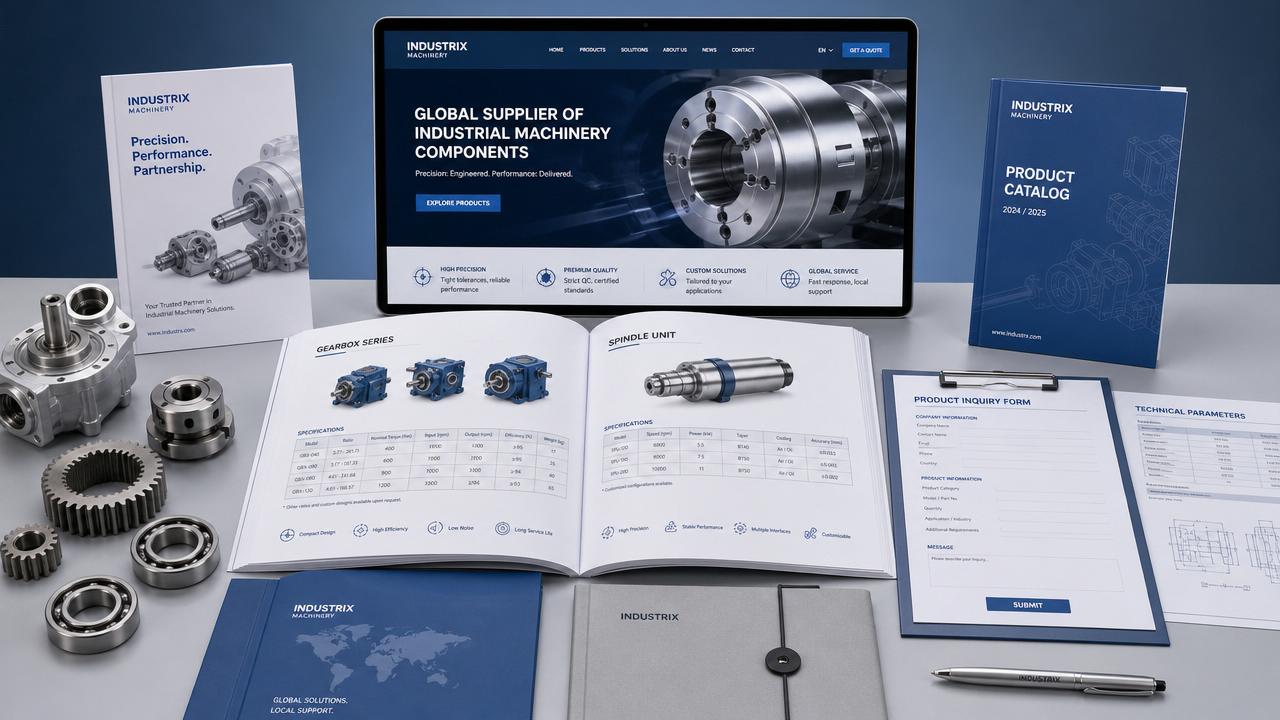
 How to Build a Machinery Industry Foreign Trade Website? Section Structure, Content Strategy, and Inquiry Form DesignHow to Build a Machinery Industry Foreign Trade Website? This article starts from section structure, content strategy, and inquiry form design, analyzes the differences between standard products and custom-built websites, and helps enterprises improve overseas search customer acquisition efficiency and inquiry conversion rates.
 Before opening a Google Ads account, first clarify what it isBefore opening a Google Ads account, don’t rush to launch it. First clarify the target market, budget allocation, landing page alignment, and conversion tracking, so you can reduce invalid clicks, improve inquiry and conversion efficiency, and help the business carry out overseas marketing more steadily.
 How should a multilingual website be built to be more effective at attracting overseas customers? From structure to content, explained in one goHow should a multilingual website be built to be more effective at attracting overseas customers? This article explains website structure, localized content, SEO layout, and conversion design in one go, helping businesses avoid machine translation pitfalls and duplicate-page errors, and build a truly searchable overseas marketing website that can generate inquiries.