









I. Industry Definition: How Short Videos Generate Inquiries
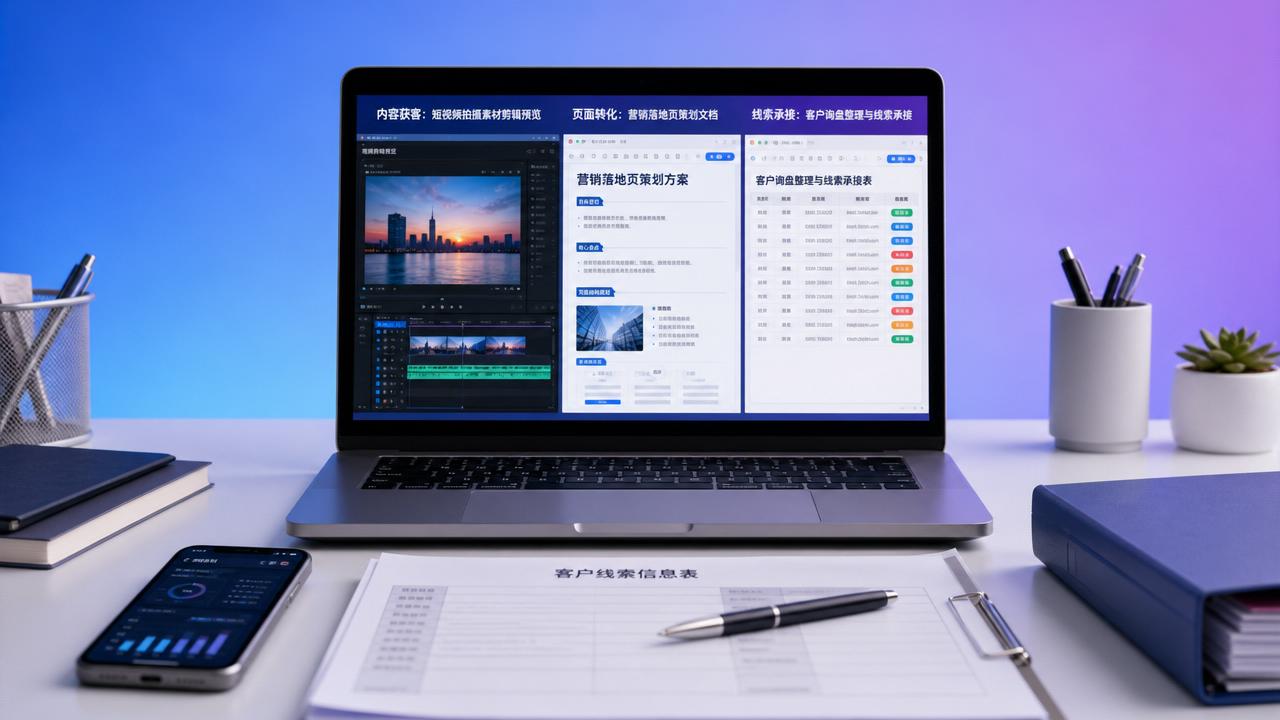
How short videos generate inquiries essentially involves using easily understood visual content to attract target customers, then converting viewing behavior into identifiable, follow-up-ready business leads through an official website, landing page, form, or instant communication tool. It is not simply about pursuing exposure, but a digital marketing funnel from reach to conversion.
In foreign trade B2B scenarios, procurement personnel typically focus on product specifications, process capabilities, delivery lead times, compliance documents, customization scope, and supply stability. Videos should center on this decision-making information rather than merely showcasing corporate promotional footage, thereby reducing the effort required for unfamiliar customers to understand the offering.
Effective inquiries usually include verifiable information such as contact details, company name, purchasing requirements, application scenarios, quantities, or budgets. Views, likes, and follower growth can serve as front-end metrics, but they cannot replace measurement of form submissions, email replies, WhatsApp conversations, and qualified lead rates.
II. Technical Principles: The Marketing Funnel from Viewing to Lead Capture
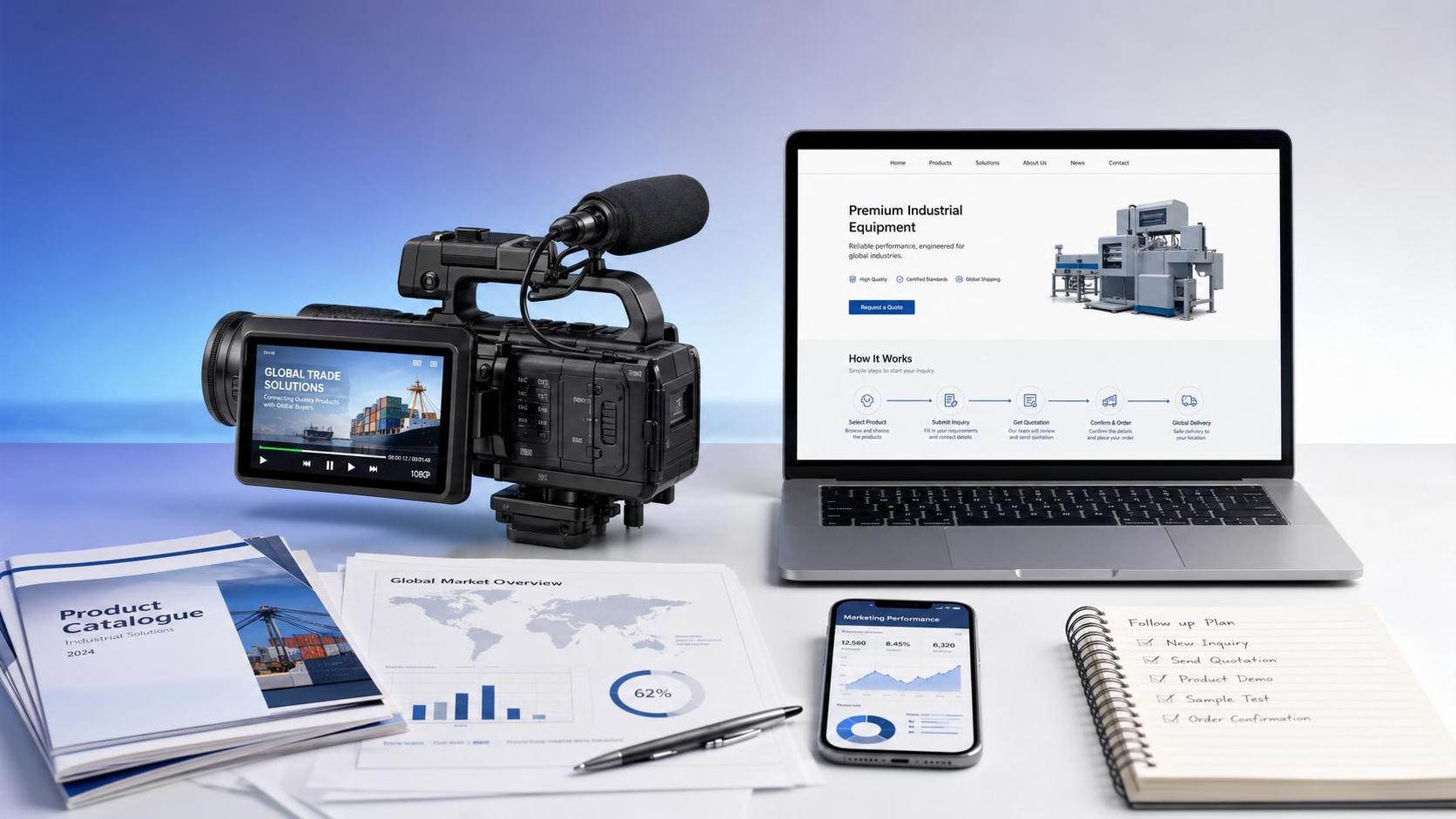
A complete funnel can be divided into six steps: reach, retention, understanding, visit, lead capture, and sales follow-up. The first three seconds should raise a problem familiar to customers or show a key result. The middle section should explain capabilities through equipment, samples, testing, or application processes, while the ending should provide a next step consistent with the content.
The page accessed after clicking a link must continue the promise made in the video. For example, if a video explains laser engraving precision, the page should directly present the relevant model, specifications, material compatibility, cases, and inquiry entry point. Directing users to a generic homepage often increases drop-off.
Technical support also includes source parameters, conversion events, form fields, and customer service response records. Companies can distinguish leads generated by different platforms, countries, and product topics, review which content truly generates inquiries, and feed high-intent questions back to content and sales teams.
III. Main Categories and Suitable Audiences
By content purpose, short videos can be divided into awareness-oriented, educational, evidence-based, and conversion-oriented types. Awareness-oriented content highlights industry pain points; educational content explains material selection and usage methods; evidence-based content showcases factories, quality inspection, and customer scenarios; and conversion-oriented content provides action entry points for quotations, samples, catalogs, or project consultations.
Manufacturing factories, OEM/ODM companies, machinery and equipment suppliers, auto parts suppliers, building materials suppliers, chemical companies, new energy companies, and agricultural and food suppliers are better suited to building trust through product demonstrations, production processes, comparative tests, and project cases. Businesses with high average order values and long decision cycles particularly require ongoing content engagement.
Cross-border brands and B2C sellers can add unboxing, usage methods, scenario-based presentations, and review content, but should still connect product pages, shopping processes, or inquiry pages to the funnel. The language, units of measurement, delivery terms, and communication habits of different customer groups need to be clearly presented on the page.
IV. Topics and Channels: Standards for Improving Lead Quality
Topics should be drawn from real sales questions, on-site search terms, quotation records, trade show discussions, and after-sales consultations. Priority should be given to content that answers questions such as “Can this material be processed?”, “What is the minimum order quantity?”, “How can it be customized?”, and “How long is the delivery cycle?” as the purchase intent behind such questions is usually stronger than that of broad topics.
Channel selection depends on the audience and content format. TikTok and YouTube are suitable for demonstrations and educational content, LinkedIn is suitable for professional procurement and corporate relationship outreach, and Facebook can be used for community distribution and advertising remarketing. Platform accounts should direct users to a unified, trustworthy, and reliably loading official website landing page.
When assessing how short videos generate inquiries, companies should consider completion rate, click-through rate, landing page dwell time, form completion rate, effective communication rate, and sales cycle at the same time. If clicks are high but lead capture is low, common causes include inaccurate audience targeting, inconsistency between the content promise and the page, or overly complex form design.
V. Official Website Conversion: Turning Traffic into Follow-Up-Ready Leads
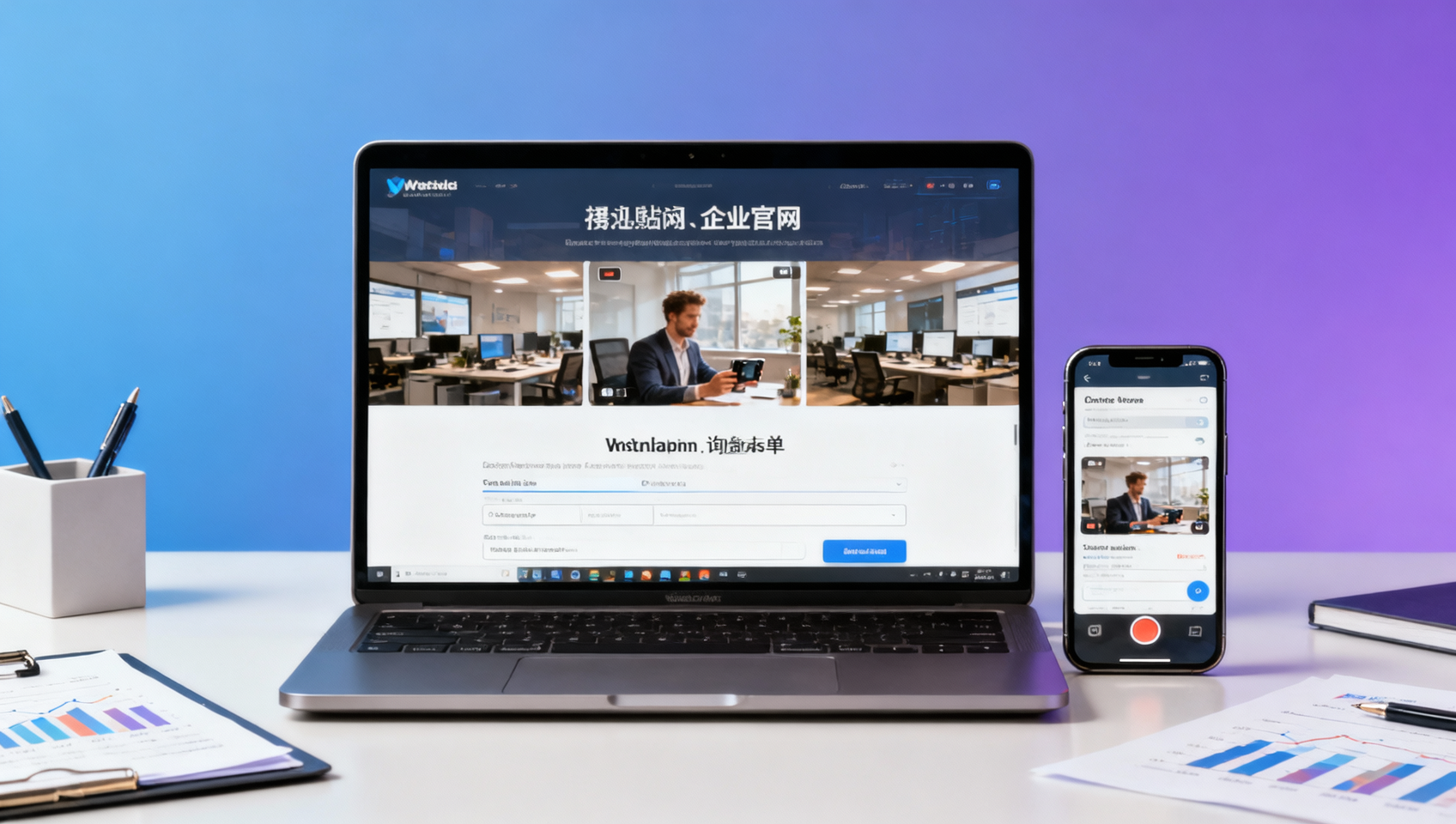
An official website is a key conversion asset for acquiring customers through short videos. A qualified B2B landing page should clearly explain product applications, key specifications, customization capabilities, factory and quality information, delivery lead time ranges, and contact methods, while enabling buyers to quickly submit inquiries on mobile devices.
Yiyingbao provides AI-powered website building, multilingual standalone websites, product content management, inquiry forms, and configuration of communication entry points such as WhatsApp and email. These can be used to direct social media and advertising traffic to pages that match video topics. Responsive pages also help provide a consistent experience across mobile and PC access.
For markets in multiple countries, clear paths should be established by language and product, rather than relying solely on machine translation. Pages can include FAQs, downloadable materials, qualification information, and cases to help buyers complete an initial evaluation. Form fields should retain necessary screening items to reduce the sales time occupied by invalid leads.
VI. Execution Process, Quality Control, and Application Scenarios
The execution process can include requirements interviews, keyword and question organization, script review, on-site shooting or material production, subtitles and multilingual proofreading, page configuration, publication and distribution, data monitoring, and sales follow-up. A responsible person should be assigned to every step to prevent content, website, and business teams from operating independently.
Quality control should focus on factual information, consistent specifications, clear visuals, accurate subtitles, and functional links. Claims involving performance, certifications, pricing, or delivery commitments should be reviewed by the product, technical, or business manager. Unsubstantiated comparative claims must not be used to attract traffic, as this may undermine long-term trust.
Yiyingbao has served industries including laser engraving machines, steel, chemicals, heavy-duty trucks, machinery, and new energy, covering sectors involved in customer cases such as Haier, Aokema, and Shandong Airlines. Such businesses can develop content around equipment operating conditions, production line capabilities, material samples, and solution Q&A, then continuously capture global traffic through multilingual websites.
VII. Costs, Iteration Cycles, and Future Trends
When evaluating total cost of ownership, companies should not only compare the production cost of individual videos, but also calculate investments in topic research, filming, editing, multilingual localization, advertising distribution, website development, technical maintenance, sales response, and data analysis. Reusable materials, modular pages, and content libraries can reduce long-term marginal costs.
Return on investment should be assessed comprehensively based on qualified lead cost, sales acceptance rate, quotation conversion rate, and order gross profit. New projects can first test one product line, two target countries, and several high-intent topics, then expand the budget based on inquiry quality rather than deciding on continued investment solely by view counts.
In the future, short videos will be more closely integrated with multilingual content, search, advertising remarketing, and generative search environments. Companies should review topics and pages monthly and update product evidence and cases quarterly. Yiyingbao's AI content, SEO, social media operations, and GEO services can serve as ongoing operational components, but final results still depend on genuine business information and timely sales follow-up.
