

I. Definition and Decision-Making Characteristics of B2B Marketing
B2B marketing consists of market identification, demand education, lead acquisition, opportunity nurturing, and deal-closing coordination activities that enterprises conduct for business customers. What it sells is often not a single product, but production capacity, technical solutions, delivery capabilities, quality consistency, and long-term service commitments.
Compared with marketing aimed at individual consumers, B2B marketing is characterized by long decision cycles, multiple participants, higher average order values, and sensitivity to procurement risks. Users, technical managers, procurement personnel, finance teams, and management may focus respectively on performance, compliance, pricing, payment terms, and supply security.
Therefore, marketing objectives should not be limited to website traffic or the number of forms submitted, but should cover target account reach, qualified inquiries, sales-accepted leads, quotation opportunities, and contribution to closed deals. Enterprises need to connect marketing data with sales results using consistent criteria, avoiding situations where channels pursue superficial metrics independently.
II. Core Operating Principles of B2B Marketing
A complete B2B marketing process typically follows the path of “identifying demand, building trust, acquiring leads, nurturing opportunities, facilitating transactions, and driving repeat purchases.” Search, advertising, and social media expand reach; websites and content explain value; and sales teams confirm needs, advance solutions, and complete negotiations.
Content serves to reduce information asymmetry. Product specifications, application solutions, factory capabilities, testing instructions, delivery processes, FAQs, and customer scenarios should address the different questions buyers have during the awareness, comparison, and decision-making stages, rather than merely repeating company introductions.
A closed data loop is the foundation for evaluating effectiveness. Enterprises should record source channels, visited pages, inquiry content, response time, lead grade, quotation status, and deal outcomes, and regularly review which keywords, countries, content pages, or landing pages generate higher-quality sales opportunities.
III. Mainstream Channels and Content Marketing Categories
Based on the pace of customer acquisition, B2B marketing can be divided into long-term accumulation and rapid customer acquisition. The former includes corporate website development, search content, case libraries, and branded social media operations, which are suitable for building sustainable traffic; the latter includes search ads, display ads, and targeted promotion, which are suitable for new product testing, market validation, and phased customer acquisition.
By content format, businesses can deploy product pages, industry solutions, technical articles, procurement guides, comparison pages, case study pages, videos, and Q&A pages. Industrial product companies in particular should provide verifiable information such as specifications, materials, processes, certification scope, customization boundaries, delivery times, and after-sales service terms.
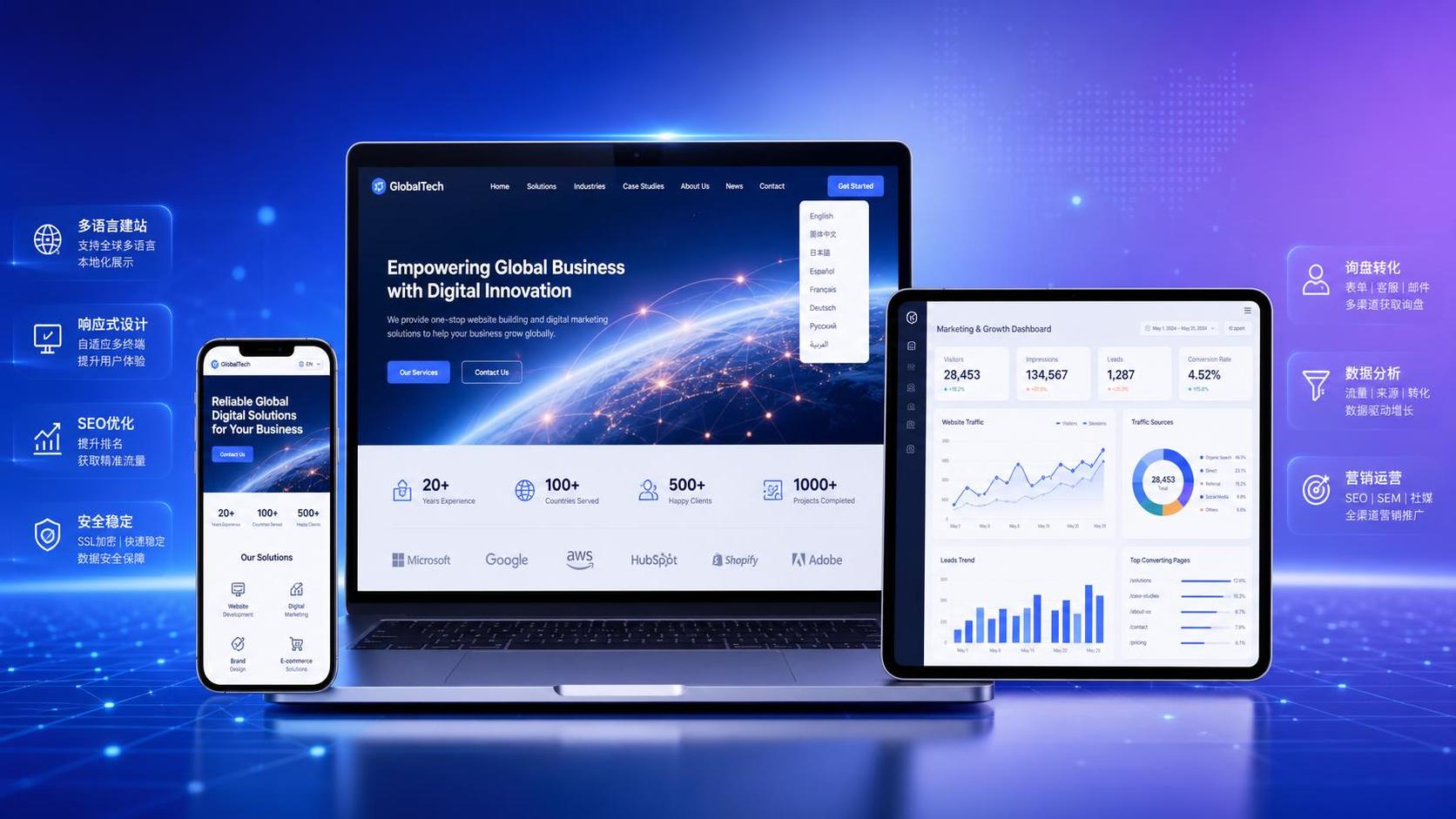
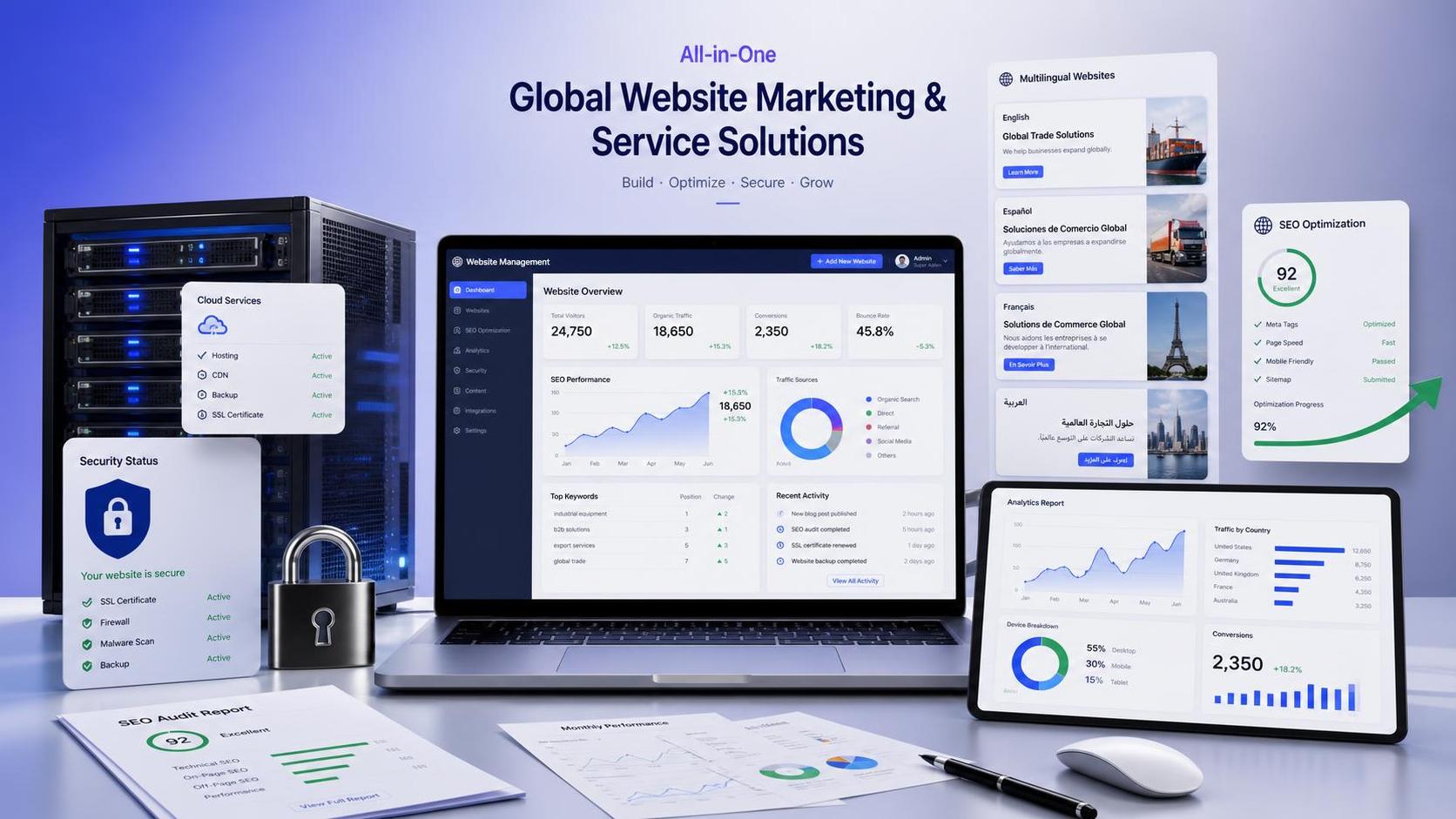
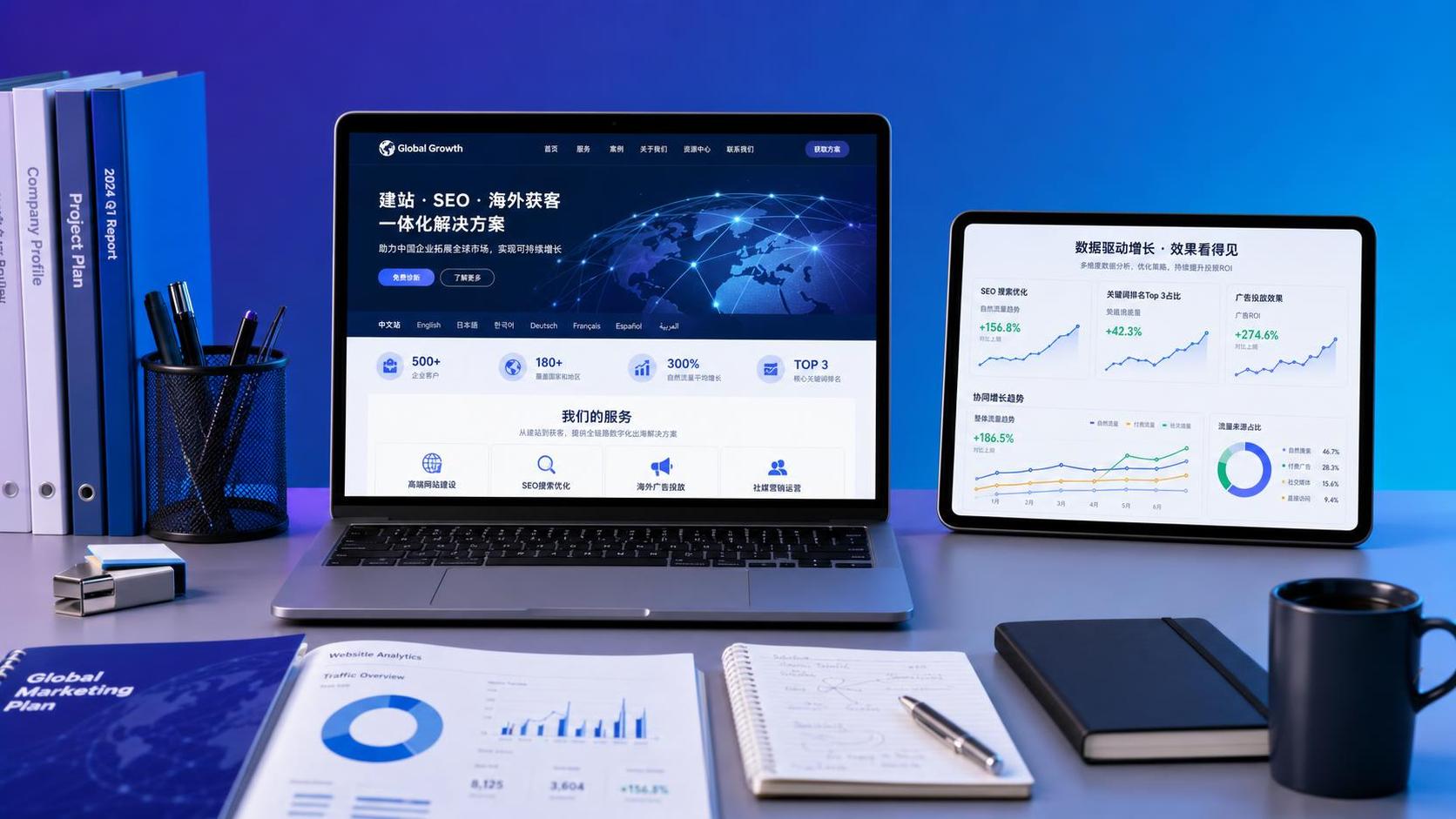
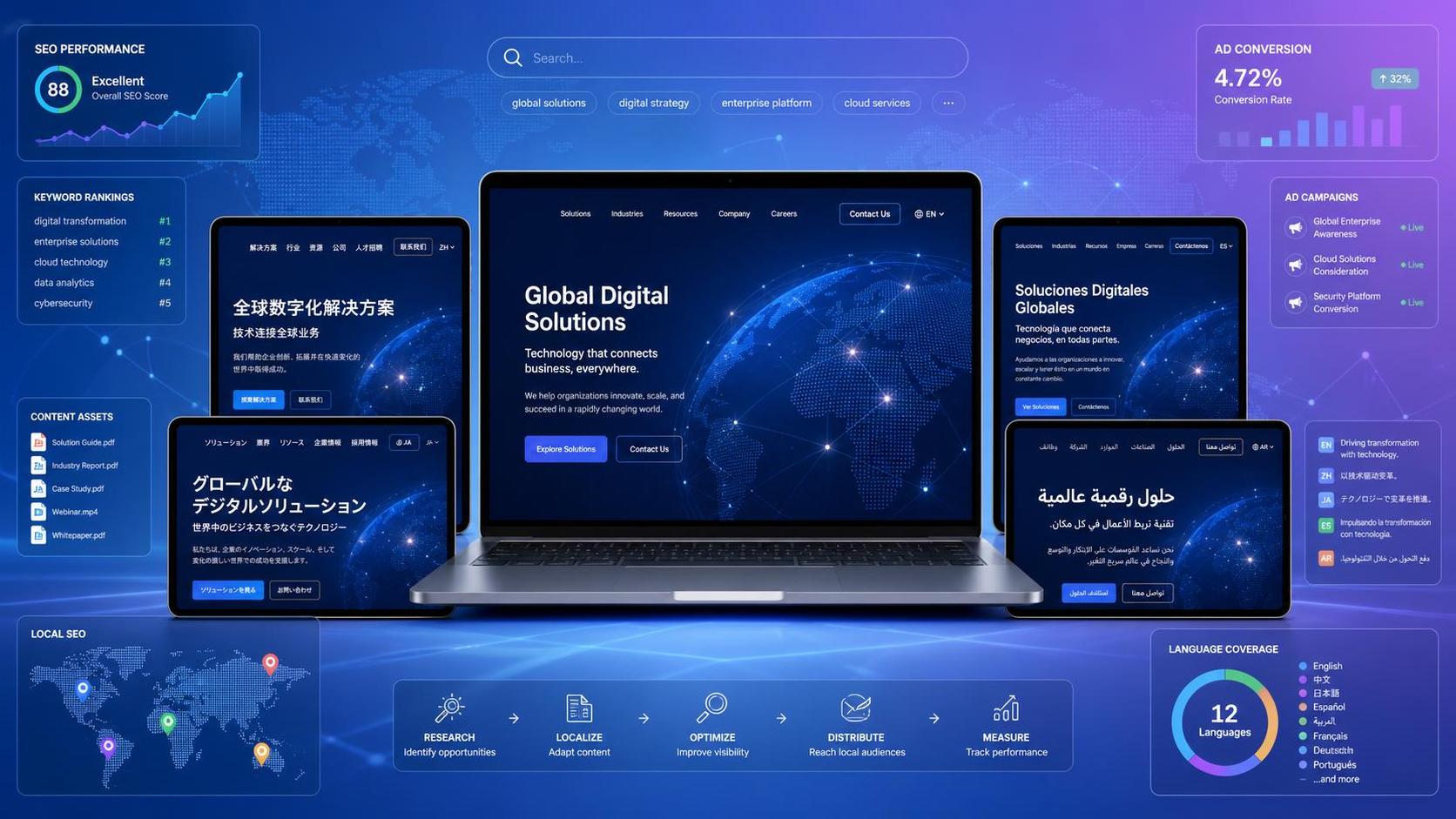
For overseas markets, an independent website should serve as the unified conversion hub for all channels. Yiyingbao provides AI-powered website building, multilingual pages, basic SEO optimization, advertising landing pages, and social media traffic generation support, enabling content, communication entry points, and data tracking to be managed around the same website asset.
IV. Applicable Businesses and Global Application Scenarios
B2B marketing is particularly suitable for manufacturing factories, foreign trade companies, OEM/ODM enterprises, industrial product suppliers, cross-border brands, and technical service providers. Industries such as machinery, hardware, building materials, automotive parts, chemicals, new energy, packaging, agricultural food products, and healthcare all need to clearly demonstrate their professional capabilities and transaction credibility to overseas buyers.
Typical scenarios include: enterprises seeking to reduce their dependence on trade shows or third-party platforms; new products needing to validate overseas demand; products requiring different language expressions across multiple countries; advertising campaigns receiving clicks but generating unstable inquiry quality; and sales teams needing leads with clear specifications and purchasing intent.
Yiyingbao has served industries including laser engraving machines, steel, chemicals, heavy-duty trucks, machinery, and new energy, as well as companies such as Haier, Aucma, Shandong Airlines, Yuanhe Power Station, Little Duck Group, and Sinotruk. Strategies for different projects should still be developed based on the market, products, and actual conversion data.
V. Selection Criteria and Key Points for Website Development
When selecting B2B marketing services, first assess whether the provider understands the procurement journey rather than simply completing page design. The website should support clear product categorization, filtering, and detailed product presentation, and should include inquiry forms, email, online customer service, or instant messaging options to make it convenient for buyers with different preferences to contact the company.
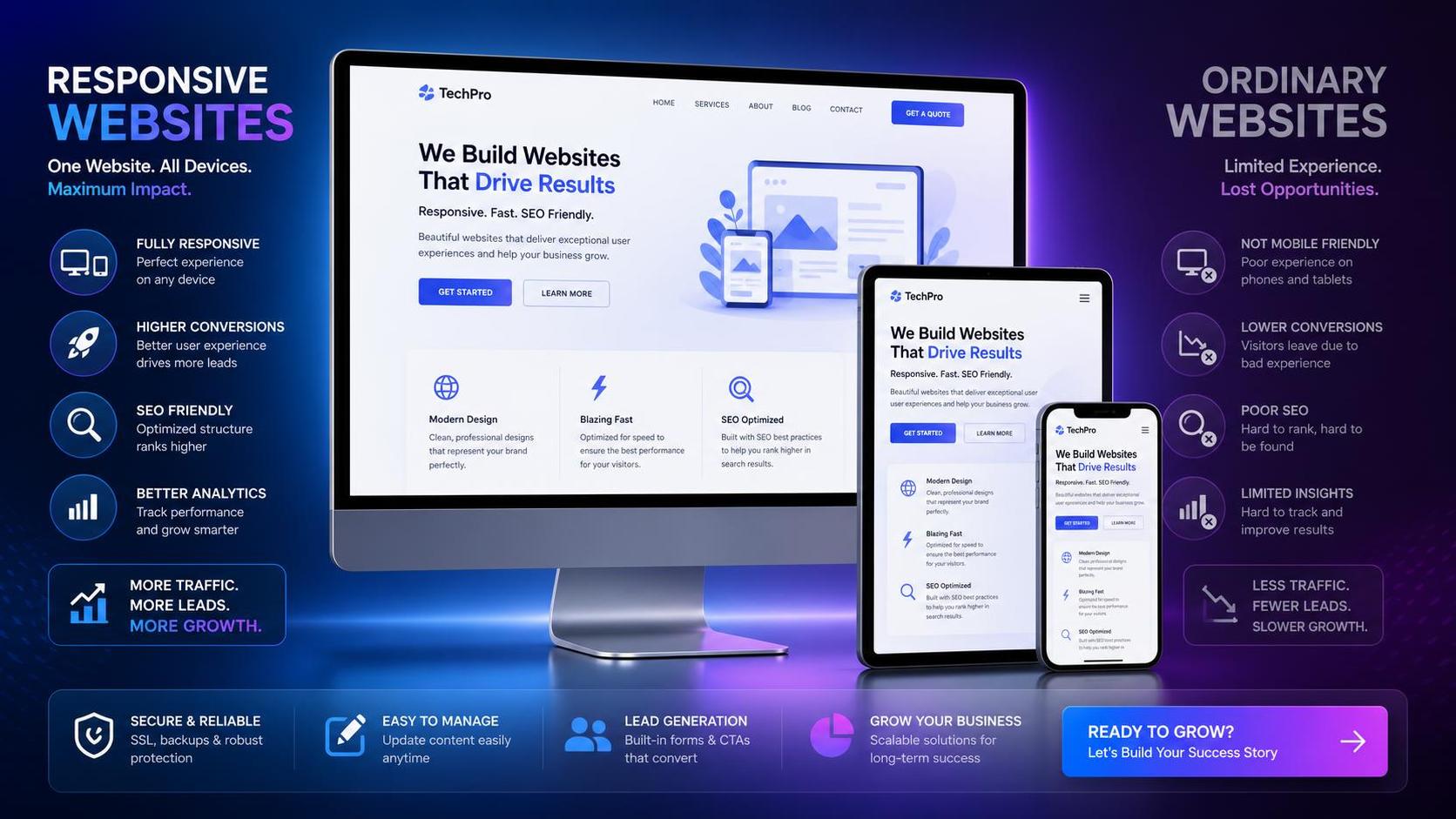
On the technical side, it is necessary to verify mobile compatibility, page loading speed, content management, multilingual paths, basic security, data analytics, and page scalability. Multilingual websites should also address the relationship between language versions, regional content differences, and translation proofreading to avoid mechanical translation that undermines professional expression.
Yiyingbao's responsive website-building engine, AI content assistance, and global node deployment are suitable for companies expanding overseas that need to launch quickly and operate continuously. Its Cloud Intelligent Website Building Marketing System Platform Software V6.0 and AI Foreign Trade Independent Website Marketing System V5.0, released in 2025, can serve as reference information for evaluating system iteration capabilities.
VI. Sales Collaboration, Maintenance Cycles, and Quality Control
B2B marketing and sales collaboration should first define lead criteria, such as country, company type, product requirements, estimated quantity, budget, and procurement cycle. The marketing team is responsible for optimizing sources and content, while the sales team is responsible for timely responses, completing opportunity information, and providing feedback on the reasons for invalid leads, thereby creating an actionable basis for improvement.
Before a website goes live, page proofreading, mobile testing, form testing, contact information checks, confirmation of privacy and data collection notices, and access performance checks for key pages should be completed. After launch, indexing, rankings, traffic, conversions, and inquiry quality should be monitored monthly, while product priorities and market priorities should be reviewed quarterly.
Content maintenance should not focus solely on publishing frequency. A more effective approach is to update product pages and Q&A pages based on common sales questions, add technical content based on search terms, optimize landing pages based on advertising search terms, and convert high-quality customer communications into reusable procurement materials.
VII. Total Cost of Ownership, Return Evaluation, and Future Trends
The total cost of ownership for B2B marketing includes website development and system costs, domain names and security services, multilingual content, search optimization, advertising budgets, social media materials, operational manpower, and sales follow-up investment. When making a purchase, businesses should distinguish between one-time launch costs and ongoing operating costs, rather than comparing only initial quotations.
Return evaluation should consider both short-term and long-term metrics: in the short term, focus on the cost of qualified inquiries, response speed, and quotation rate; in the long term, focus on organic traffic growth, target market coverage, branded keyword searches, changes in sales cycles, and customer repeat purchases. Industries with high average order values should allow a more reasonable observation period for content accumulation.
Future B2B marketing will place greater emphasis on AI-assisted content production, first-party data management, multilingual localization, and generative search visibility. Enterprises can gradually build clearly structured product and knowledge content and combine Yiyingbao's AI+SEO, advertising, social media, and GEO operational capabilities to improve cross-channel collaboration and the long-term value of digital assets.
 How much does website development generally cost?How much does website development generally cost? From template websites costing 3000元 to customized marketing websites costing over 15万元, the difference depends on functionality, design, multilingual support, SEO, and ongoing maintenance. This article will help you quickly understand the budget components, avoid low-price traps, and choose a website solution that can truly generate leads and conversions.
 Are mobile adaptation and responsive design the same thing?Are mobile adaptation and responsive design the same thing? Actually, they are not. This article helps businesses determine which solution is more suitable for website redesign and global marketing strategies from the perspectives of SEO, loading speed, user experience, inquiry conversion, and maintenance costs.
 What Is Most Practical to Learn at the Yiyingbao AI Digital Marketing AcademyWhat is most practical to learn at the Yiyingbao AI Digital Marketing Academy? The focus should not be limited to the course titles, but on whether the curriculum truly covers the entire process of website development, SEO, advertising, social media operations, and AI-powered efficiency improvements, helping businesses understand the logic of acquiring customers overseas and improve traffic conversion and business growth.
 Are there significant differences between European and American and Asian styles in B2B foreign trade website design?Are there significant differences between European and American and Asian styles in B2B foreign trade website design? The differences go beyond aesthetics, affecting trust building, browsing habits, and inquiry conversion. This article explains the design logic of different markets and localized website development strategies in detail to make overseas customer acquisition more efficient.
 What Problems Can Occur When an SSL Certificate Expires?What problems can occur when an SSL certificate expires? Common consequences include browser errors, user loss, fewer inquiries, SEO impact, and poorer advertising conversions. Conduct checks in advance and establish a renewal mechanism to avoid the dual loss of traffic and customers.
 How long does it take to see results after website speed optimization?How long does it take to see actual results from website speed optimization? Improvements in loading speed are usually visible within 24 hours, changes in bounce rate and conversions can be observed within 7–30 days, and SEO ranking improvements typically become apparent within 2–12 weeks. Learn about the key influencing factors and evaluation methods to help your business increase inquiries and traffic more quickly.
 Are the post-launch maintenance costs of an international trade website high?Are the post-launch maintenance costs of an international trade website high? The answer depends on the website architecture, operating model, and service team. This article provides a detailed explanation of maintenance cost sources, cost-control methods, and common misconceptions, helping international trade companies choose the right integrated website and marketing solution to improve indexing, inquiries, and growth efficiency.
 Is Yiyingbao's overseas marketing service reliable?Is Yiyingbao's overseas marketing service reliable? This article provides a comprehensive analysis of its website-building system, SEO optimization, advertising, multilingual market adaptation, and delivery model to help you determine whether it is suitable for taking an independent website global and acquiring overseas customers, allowing you to quickly understand its real value.