
I. Definition and Business Scope of B2B Inquiry Lead Generation
B2B inquiry lead generation is a digital customer acquisition activity targeting corporate purchasing decision-makers. Its objective is not to obtain broad traffic, but to acquire follow-up contacts with product needs, purchasing authority, budget signals, or project timelines. Common inquiry formats include form submissions, emails, instant messaging consultations, meeting appointments, and quotation requests.
Unlike immediate transactions targeting individual consumers, B2B procurement typically involves technical confirmation, sample testing, supplier audits, price negotiations, and delivery evaluations. Therefore, B2B inquiry lead generation should simultaneously build traffic entry points, trust-building content, conversion paths, and sales follow-up mechanisms, rather than judging results solely by visitor volume.
From a business perspective, it can be divided into proactive and passive customer acquisition: the former includes search advertising, social media advertising, and targeted outreach, while the latter includes organic search, industry content, brand reputation, and referrals. Mature companies usually use a combination of these methods to balance short-term lead requirements with long-term customer acquisition asset accumulation.
II. Technical Principles and Conversion Pathways for Inquiry Generation
Effective B2B inquiry lead generation follows the path of “demand trigger, information search, content validation, action conversion, and sales nurturing.” Buyers may enter a website through search engines, social platforms, advertisements, or industry recommendations, and then determine whether a supplier is trustworthy based on product specifications, factory capabilities, case studies, and service descriptions.
At the website technology level, mobile accessibility, stable page loading, clear language paths, usable forms, and smooth communication channels should be ensured. Product pages need to address buyers' concerns regarding materials, specifications, applications, customization capabilities, lead times, quality control, and after-sales service scope, reducing information gaps during initial communication.
At the data level, traffic source channels, landing pages, form completion rates, qualified inquiry rates, and contribution to transactions should be differentiated. Ad clicks do not equal business opportunities, and the number of forms does not equal valid demand; only by feeding inquiry tags, sales feedback, and campaign data back into the process can keywords, pages, and budget allocation be continuously improved.
III. Mainstream Customer Acquisition Channels and Applicable Scenarios
Search engine optimization is suitable for manufacturing companies with numerous product models, long purchasing cycles, and clearly defined technical issues. By covering search demand through product pages, solution pages, application articles, and multilingual pages, companies can gradually gain relatively stable organic traffic and reduce dependence on individual advertising investments.
Search advertising is suitable for new product launches, key market testing, lead capture before and after trade shows, and scenarios requiring rapid demand validation. Social media operations and social media advertising are more suitable for brand exposure, case study dissemination, remarketing, and reaching potential buyer groups that have not yet actively searched. Both require an independent website to support conversion.
For export factories, OEM/ODM companies, and industrial product suppliers, E-Marketing can integrate multilingual independent websites, Google SEO, advertising, social media operations, and inquiry entry-point configuration into one service system, facilitating the establishment of a continuous operating rhythm around target countries, product lines, and lead quality.
IV. Which Companies Should Prioritize B2B Inquiry Lead Generation
Export manufacturing factories are well suited to building trust through product capabilities, production equipment, quality processes, and customized case studies; foreign trade companies can highlight service value through supply chain integration, product selection capabilities, and response efficiency. Industries such as machinery, hardware, building materials, auto parts, chemicals, new energy, packaging, and agricultural food products all have typical inquiry-based procurement characteristics.
Companies that rely on trade shows, B2B platforms, or sales representative outreach should also establish their own inquiry channels. Platforms can create transaction opportunities, but corporate independent websites and content assets are more conducive to building brand awareness, capturing returning traffic, and maintaining independent control over data and pages across multiple markets or product lines.
Typical purchasing roles include purchasing managers, engineers, project managers, distributors, and brand owners. Different roles have different priorities: engineers value specifications and certification documents, purchasing personnel focus on cost and lead times, while managers are more concerned with supply stability, compliance risks, and long-term cooperation capabilities.
V. Service Selection, Launch Implementation, and Quality Control
When selecting B2B inquiry lead generation services, companies should first clarify their target markets, core products, sales capacity, and available budget, then assess whether the service provider covers website development, content, promotion, data analysis, and ongoing operations. Merely building a showcase website without promotion and conversion design often makes it difficult to generate stable inquiries.
The implementation process typically includes requirements research, keyword and market research, website structure design, material organization, multilingual content production, form and communication tool configuration, testing and launch, channel traffic acquisition, and operational review. Companies should provide accurate product information, qualification documents, case materials, and sales feedback to avoid inaccurate content.
E-Marketing's responsive website-building architecture, AI-assisted content capabilities, and global node deployment can support multi-device presentation, multilingual page maintenance, and overseas access experience. During selection, companies should still verify page editability, data ownership, permission management, after-sales response, advertising account management methods, and the specific scope of services.
VI. Total Cost of Ownership and Inquiry Return on Investment Assessment
The total cost of ownership for B2B inquiry lead generation includes not only website development or advertising costs, but also investments in multilingual content production, product information organization, visual materials, technical maintenance, promotion management, sales response, and customer relationship management. Procurement decisions should compare annual operating costs rather than only initial quotations.
ROI evaluation is recommended to be conducted in stages: first assess qualified traffic and cost per inquiry, then evaluate qualified opportunity rate, sampling rate, quotation rate, and transaction value. For industrial products with high order values and long repurchase cycles, short-term form volume should not be used as the sole conclusion; assessment should incorporate lead sources, project stages, and estimated lifetime value.
Companies can adopt a budget mix of “advertising tests to obtain immediate data, organic search to accumulate long-term traffic, and social media for re-engagement.” Based on common practices in integrated foreign trade marketing, a lengthy period may be required from project launch to first-order conversion, and sales response speed as well as sample and quotation capabilities will directly affect investment recovery efficiency.
VII. Maintenance Cycles and Industry Development Trends for 2026
B2B inquiry lead generation is not a one-time launch project. Product updates, market changes, shifts in search demand, and advertising competition all affect results. It is recommended to review inquiry sources, key pages, keyword coverage, and form availability monthly, and review target countries, content plans, budget allocation, and sales lead quality quarterly.
In 2026, generative search and Q&A entry points will further affect how buyers obtain information. Companies need to organize product facts, application knowledge, frequently asked questions, corporate entity information, and multilingual content more clearly, enabling search engines and generative tools to accurately understand the brand, products, and applicable scenarios.
E-Marketing has launched the Cloud Intelligent Website Building Marketing System V6.0 and the AI Foreign Trade Independent Website Marketing System V5.0, and provides GEO, SEO, SEM, and overseas social media operation capabilities. Companies without dedicated overseas digital marketing teams can configure services in stages based on their own market objectives, continuously improving the closed loop from visits to inquiries and then transactions.
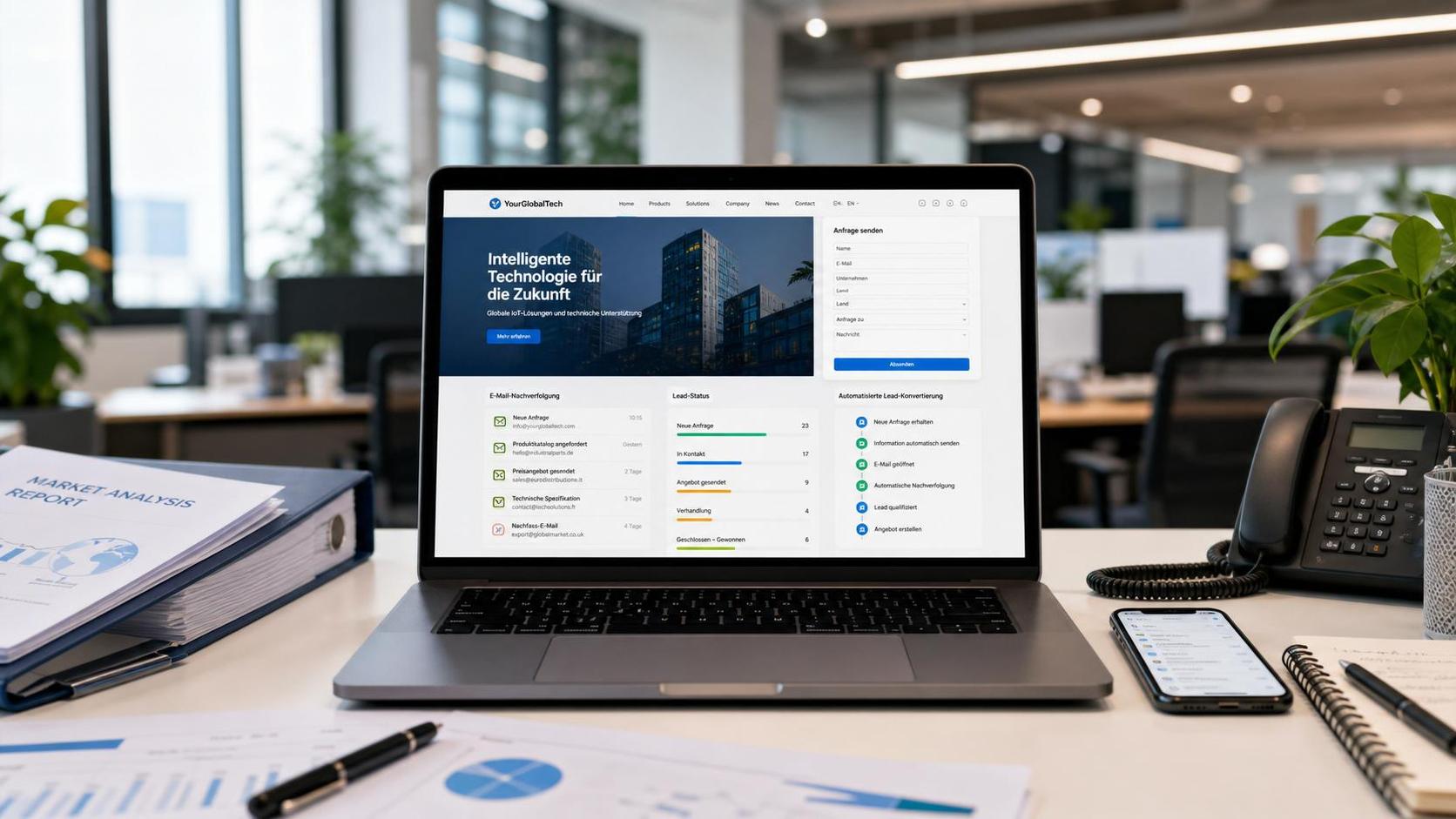
 Is marketing automation suitable for foreign trade companies? Analysis of common processes, costs, and implementation thresholdsIs marketing automation suitable for foreign trade companies? This article analyzes common processes, software and organizational costs, implementation thresholds, and practical signals to help you determine whether it is worth deploying and to find a more stable path to foreign trade lead conversion.
 Can a multilingual foreign trade website improve overseas customer conversion rates? First look at the inquiry path and trust barriersCan a multilingual foreign trade website improve overseas customer conversion rates? The key is not how many languages are used, but whether the inquiry path is smooth and whether trust barriers are lowered. This article starts from localization, form design, and traffic handoff to help you determine how to optimize the website to attract customers more effectively.
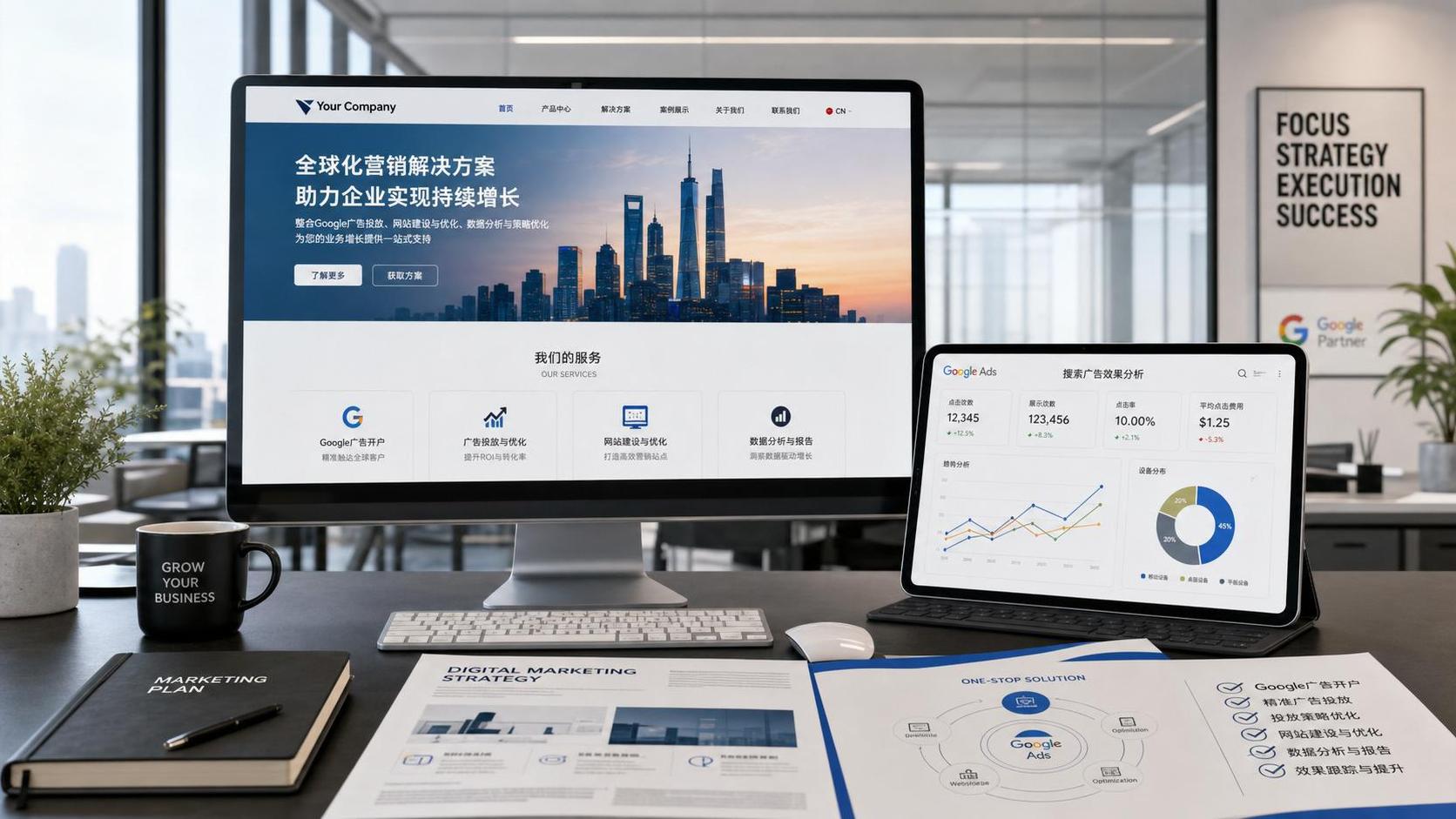
 What Does Google Ads Promotion Service Include? Opening, Campaign, and Optimization Process ExplainedWhat Does Google Ads Promotion Service Include? This article provides a systematic explanation of the complete process, from account opening, keyword strategy, campaign execution, and data tracking to continuous optimization, helping businesses clearly understand the scope of services and improve conversion efficiency and campaign ROI.
 How can the conversion rate of product pages on a foreign trade website be improved? From copy structure to inquiry button optimizationHow can the conversion rate of product pages on a foreign trade website be improved? Starting from traffic source analysis, systematically optimize the copy structure, trust information, and inquiry button design to help foreign trade companies improve post-click dwell time, inquiry rate, and overall conversion results.
 What Should Be Noted in Middle East Social Media Marketing? Platform Preferences and Content Do’s and Don’tsWhat Should Be Noted in Middle East Social Media Marketing? This article focuses on platform preferences, content do’s and don’ts, and localized expression to help you avoid cultural pitfalls, open up social traffic, support independent site conversion, and improve brand exposure and inquiry results.
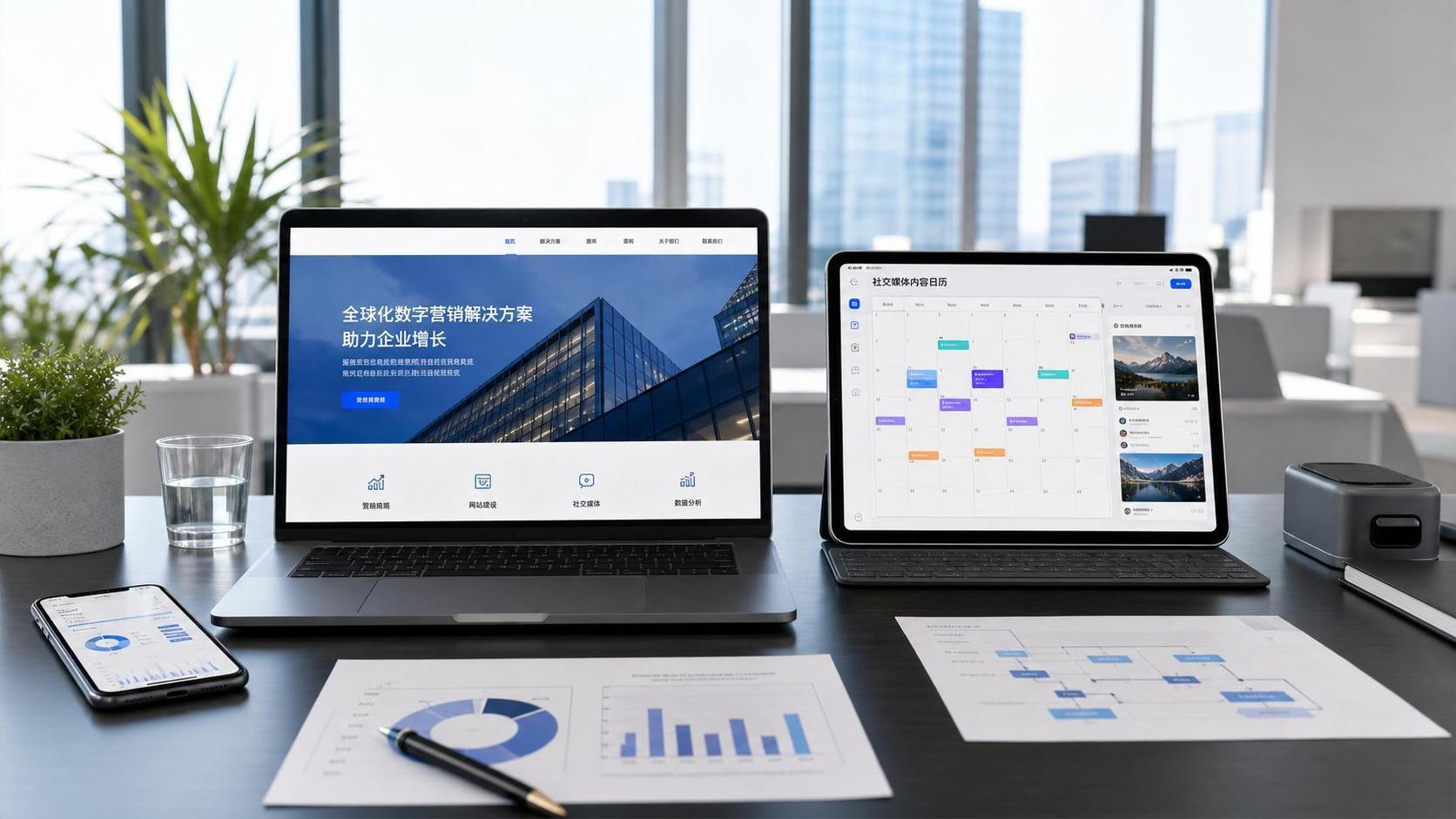
 How should a brand’s overseas social media marketing be structured? Platform selection, content rhythm, and lead conversion recommendationsHow should a brand’s overseas social media marketing be structured? This article provides an end-to-end analysis from platform selection and content rhythm to lead conversion, combining website support, independent site optimization, and multi-market operating strategies to help you improve overseas customer acquisition efficiency and conversion results.
 Mainstream Advertising Types and Basic Applicable Scenarios - Part II
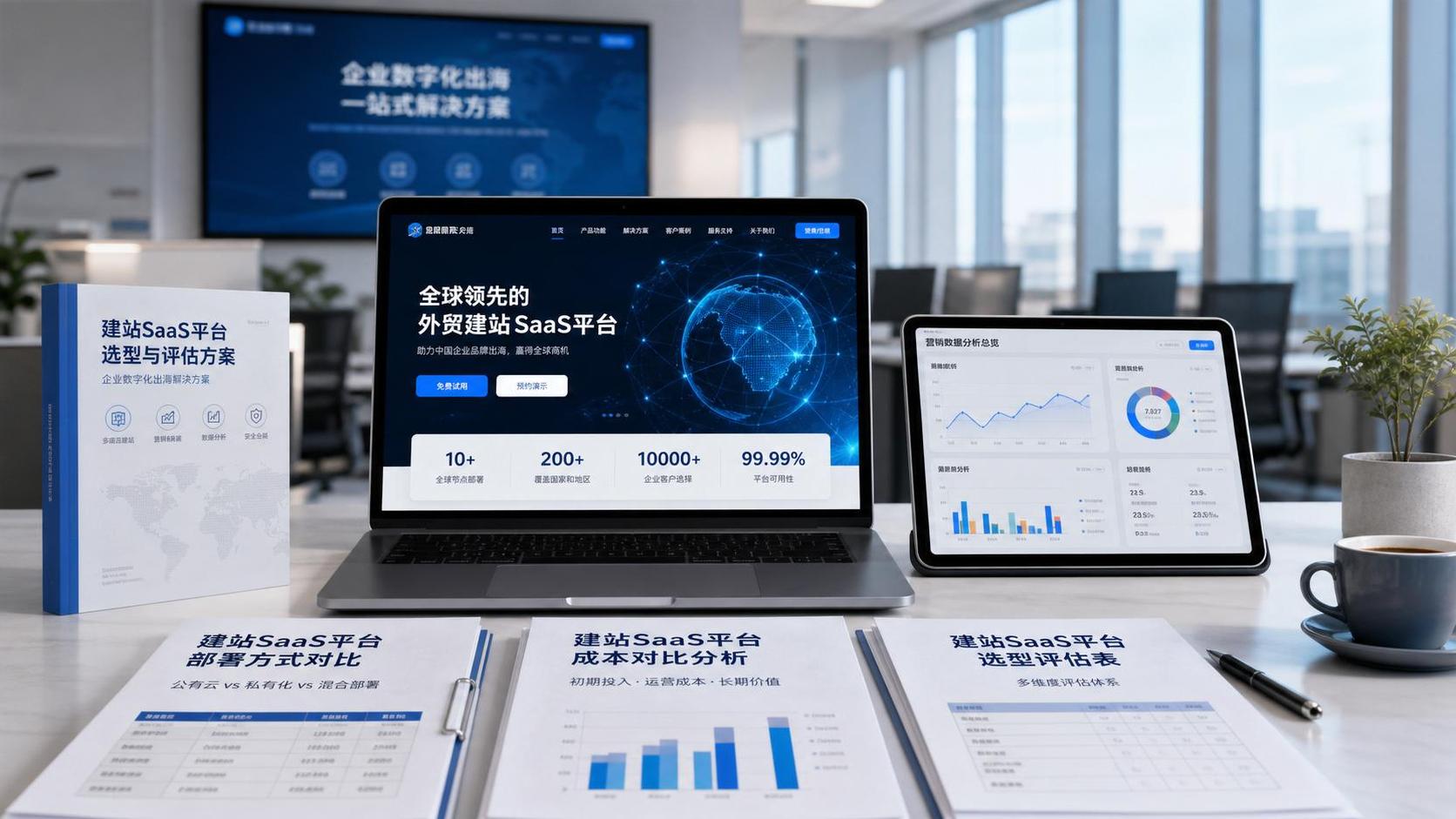
 Guide to Choosing a Foreign Trade Website SaaS Platform: How Do Functionality, Deployment Methods, and Renewal Costs CompareGuide to Choosing a Foreign Trade Website SaaS Platform: From functionality and deployment methods to three-year renewal costs, help you understand the differences in multilingual website building, SEO indexing, and marketing collaboration, avoid low-price traps, and choose a cross-border platform more suitable for long-term growth.