









I. Industry Definition: A B2B Landing Page Is Not a Simplified Corporate Website
How to design a B2B landing page is essentially about building an independent conversion page around a clearly defined procurement task. It typically receives traffic from search ads, organic search, social media promotion, trade show follow-up emails, or sales outreach links, and guides visitors toward next-step actions such as submitting an inquiry, booking an appointment, downloading materials, or requesting a quote.
Unlike a corporate website, which is responsible for brand presentation, product archiving, and long-term content accumulation, a landing page must focus on a single product line, industry solution, or market problem. The page should address the scope, capabilities, suitability, delivery terms, and contact details that buyers care about first, rather than listing all company information.
High-quality leads do not simply mean more form submissions. For industries with long decision-making cycles, such as machinery, chemicals, building materials, and new energy, the page should aim to screen visitors with genuine specifications, procurement timelines, destinations, or project backgrounds, providing the sales team with information that can be assessed, categorized, and followed up on continuously.
II. Technical Principles: From Traffic Matching to Trust Building
Page conversion follows a continuous chain of “source intent, above-the-fold promise, evidence validation, and action cost.” Ad keywords or search terms determine visitor expectations. The above-the-fold headline should restate their procurement needs and clearly explain the product, service scope, or problem that can be solved, while avoiding generic brand slogans.
This should be followed by product specifications, application scenarios, manufacturing or service processes, testing methods, delivery capabilities, and FAQs to progressively reduce decision uncertainty. Buyers need verifiable information. Images, videos, technical tables, and case studies should support evaluation rather than serve as unrelated visual decoration.
Technical implementation also includes responsive display, loading performance, form usability, data attribution, and lead notifications. Mobile users often conduct initial research first and compare specifications later on desktop devices; therefore, buttons, contact details, and key evidence should remain clear, consistent, and easy to use across both device types.
III. Main Types: Configuring Page Structure by Procurement Intent
Product-focused landing pages are suitable for industrial products with clearly defined models and comparable specifications. Core content includes specifications, materials, dimensions, production capacity, customization limits, quality control, and inquiry entry points. They are suitable for high-intent searches such as “product name + supplier” or “product name + manufacturer.”
Solution-focused pages are suitable when buyers have not yet identified a specific model, such as for production line upgrades, special operating conditions, regional projects, or industry applications. When considering how to design a B2B landing page, first explain the pain points and applicable conditions, then present the solution components, implementation steps, expected deliverables, and technical communication path.
Event-focused, content-download, and remarketing pages serve to nurture leads. The first is suitable for new product launches, trade show appointments, and limited-time consultations; the latter two can exchange contact details for selection guides, case collections, or technical checklists, but the value of the materials must align with the traffic source and subsequent sales actions.
IV. Page Development: Information Architecture and Form Conversion Methods
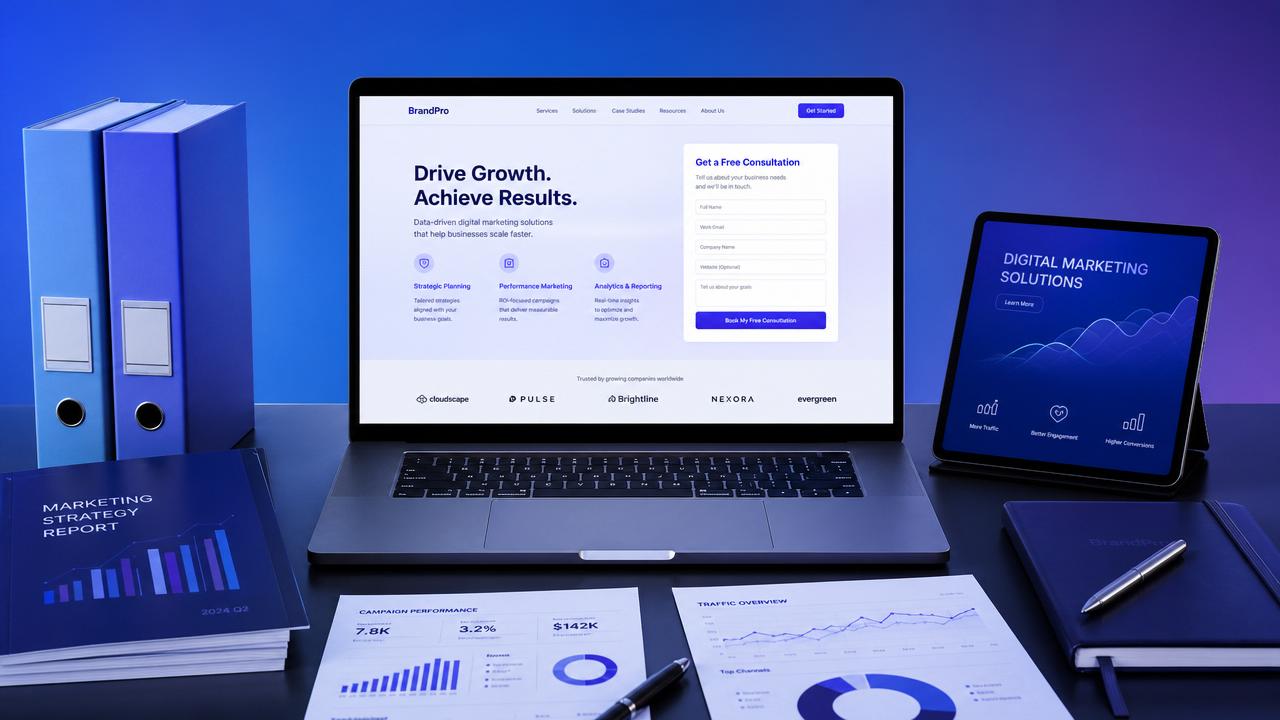
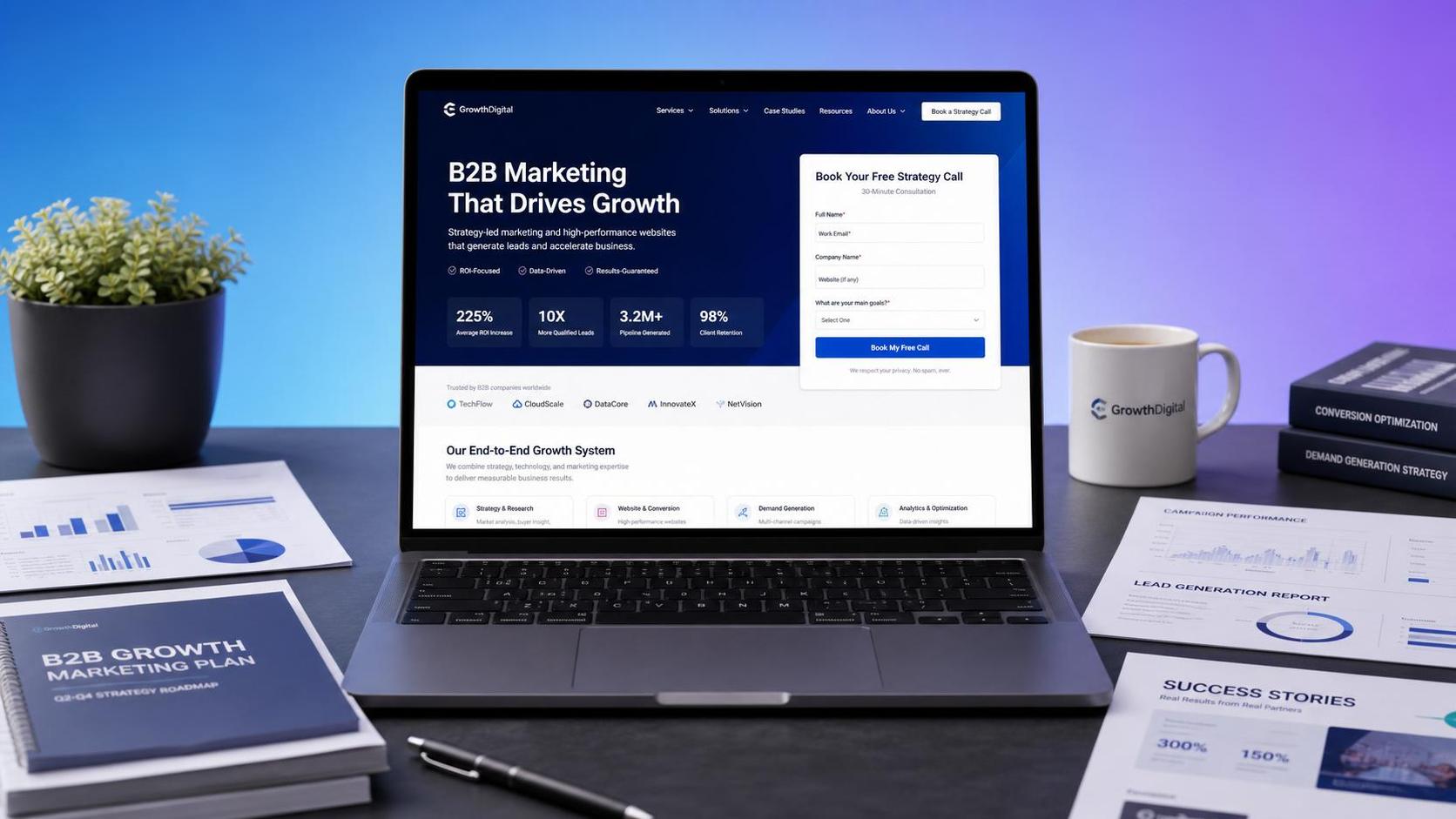
An actionable page structure usually begins above the fold: clearly state the product or solution, target customers, core capabilities, and primary call-to-action button. The second section can present key advantages and an application overview, followed by product details, production and quality control, delivery support, customer evidence, FAQs, and contact modules.
Form fields should balance information collection with completion friction. At the basic stage, retain name, business email, country, and requirement description; if sales teams must assess feasibility, add product model, quantity, drawing upload, or procurement timing. The more fields there are, the more their purpose should be explained.
Do not provide a contact entry point only once at the bottom of the page. Corresponding actions can be placed above the fold, in the specifications section, and in the case study section, such as getting a catalog, discussing a customized solution, or requesting a quote. At the same time, provide email, online customer service, or instant messaging options so visitors at different decision stages can choose an appropriate communication method.
V. Selection Criteria: How to Choose Website Development and Marketing Services
When selecting a landing page solution, first confirm whether it supports duplicating pages by country, language, product line, and channel, rather than directing all traffic to the same page. Multilingual content should retain space for localization review and independent metadata, avoiding distorted terminology, units, or delivery descriptions caused by merely replacing text.
Next, assess whether content management, form fields, lead distribution, data analytics, page iteration, and access performance can be continuously used by the business team. Website delivery is only the starting point; if a company cannot update case studies, replace selling points, track sources, or review conversions, page value will decline rapidly as the market changes.
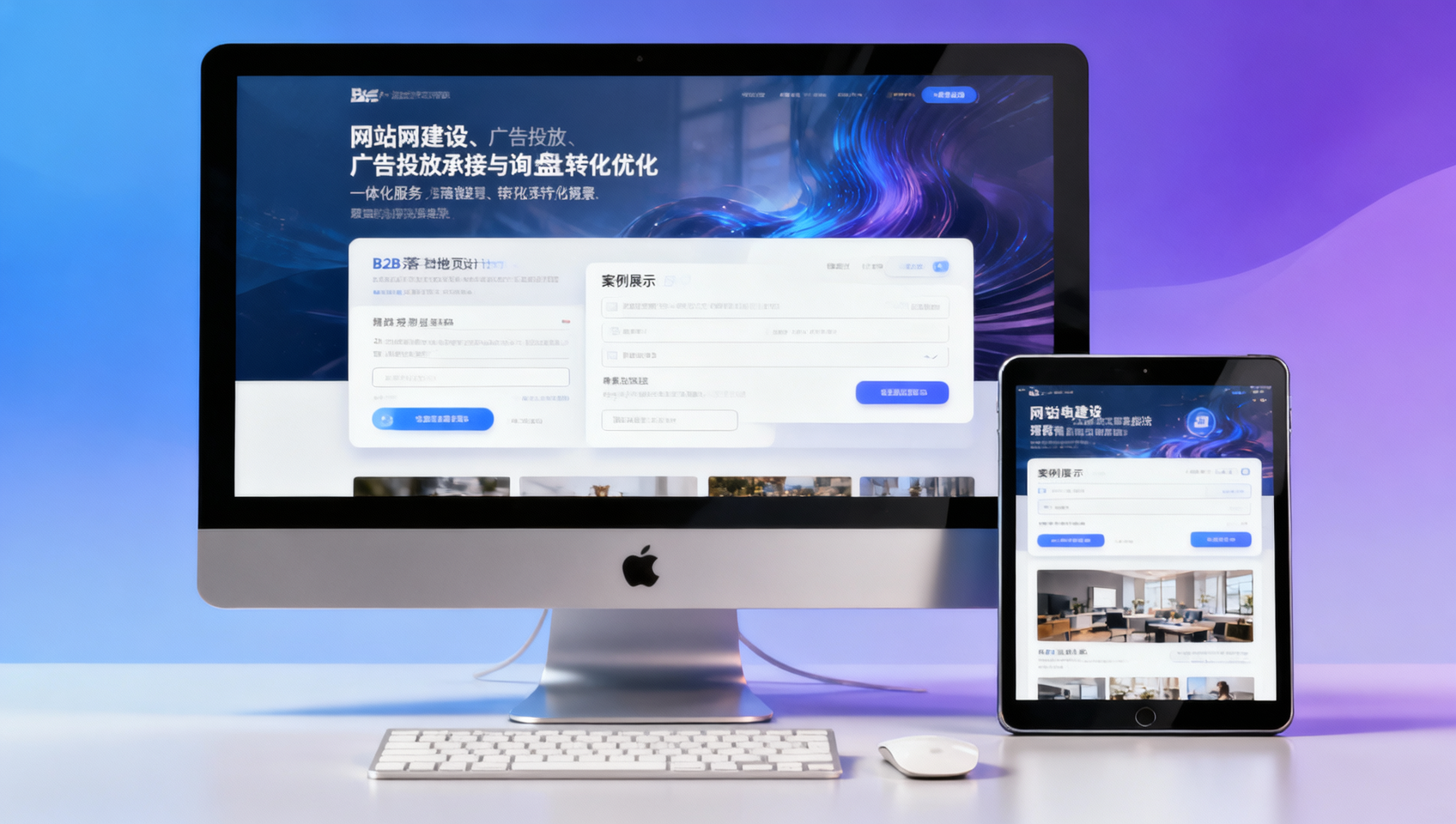
Yiyingbao integrates intelligent website development, multilingual standalone websites, search optimization, advertising, and website operations into one service system, making it suitable for foreign trade companies that need unified management of their website development and customer acquisition journey. Its responsive architecture, AI content assistance, and global node capabilities can serve as reference dimensions for evaluating page development, overseas access, and subsequent operational integration.
VI. Applicable Scenarios, Case Evidence, and Operational Cadence
Manufacturing plants can create product-focused pages for priority categories, foreign trade companies can build solution pages around procurement solutions and supply chain integration capabilities, and cross-border brands can use dedicated advertising pages to test selling points in different markets. Industries such as laser engraving machines, steel, chemicals, heavy-duty trucks, machinery, and new energy especially need to clearly present technical and delivery information.
Yiyingbao publicly offers services across sectors including the internet, automotive, tourism, agriculture, healthcare, furniture, and education, and lists service cases including Haier, Aucma, Shandong Airlines, Yuanhe Power Station, Little Duck Group, and China National Heavy Duty Truck Group. Specific page strategies should still be based on the company’s authorized display scope, product characteristics, and actual campaign objectives.
After launch, it is recommended to review traffic sources, above-the-fold dwell time, reading of key sections, form completion rate, and qualified inquiry rate monthly; update case studies, specifications, FAQs, and call-to-action buttons quarterly based on sales feedback. How to design a B2B landing page is not a one-time delivery, but an ongoing process of adjustment based on real sales conversations.
VII. Costs, Returns, and Future Trends
The total cost of ownership of a landing page includes strategy planning, copywriting and visual assets, development configuration, multilingual processing, servers and security, advertising or content-driven traffic, data analysis, and continuous optimization. Buyers should not compare only initial production costs; they should also confirm subsequent modification efficiency, data ownership, and cross-market expansion costs.
When evaluating return on investment, the number of valid leads, qualified lead rate, sales follow-up rate, sample or quotation conversion rate, and sales cycle can be included in the same dashboard. If ad clicks increase but valid inquiries do not improve, prioritize checking keyword matching, page promises, form thresholds, and sales responsiveness rather than simply increasing the budget.
Future pages will place greater emphasis on multilingual localization, structured product information, first-party data accumulation, and Q&A content for generative search. Yiyingbao has released versions such as its multilingual website development system and AI foreign trade standalone website marketing system; while maintaining content authenticity, companies can gradually improve page update speed and global market coverage capabilities.
