


I. Definition and Business Value of Structured Data
Structured data is an information layer that expresses entities, attributes, and relationships on a webpage in a machine-readable format, based on vocabularies and syntax recognizable by search engines. It does not replace the main page content; instead, it adds clear semantic meaning to information such as company names, product models, prices, images, FAQs, and article authors.
For foreign trade websites, buyers see the page, while search systems and generative search need to understand what the page is, who provides it, and where it applies. High-quality structured data can reduce ambiguity in key information and provide a foundation for rich-result displays, brand recognition, and content citations.
It should be made clear that deploying markup does not guarantee rankings or a specific display format. Whether search results adopt it also depends on page quality, crawl status, content consistency, user needs, and platform rules. Therefore, it should be incorporated into website content and technical governance rather than treated as an isolated coding task.
II. Technical Principles: How Schema Markup Is Understood
Schema markup is typically based on the Schema.org vocabulary and added to pages in formats such as JSON-LD, Microdata, or RDFa. JSON-LD has relatively low coupling with page structure, making it convenient for version management and batch generation, and it has become the implementation format most commonly used by enterprise websites.
Its core logic is to map natural-language content to entity relationships. For example, Organization describes the business entity, Product describes products that can be sold or inquired about, Article identifies article content, FAQPage marks question-and-answer content, and BreadcrumbList presents the hierarchical path. Type selection must align with the page's actual purpose.
Markup fields should remain consistent with content visible to users. If a product page does not publicly provide pricing, inventory, or reviews, related properties should not be fabricated; company contact details, addresses, and brand names should remain consistent with the website footer, contact page, and external materials. The credibility of structured data comes from accurate information and continuous validation.
III. Main Categories and B2B Page Mapping
Common foundational types for corporate websites include Organization, WebSite, WebPage, BreadcrumbList, and Logo, which are used to indicate website ownership, page hierarchy, and brand identity. For multilingual websites, they should also be used together with canonical links, language-version relationships, and a clear regional content strategy to prevent semantic confusion across pages.
Manufacturing product catalogs can prioritize Product, Offer, ImageObject, and VideoObject, but field depth should match the actual transaction model. Industrial product pages that primarily generate inquiries should more fully present models, materials, specifications, applications, delivery capabilities, and downloadable materials, rather than mechanically applying retail e-commerce fields.
Knowledge content is well suited to semantic types such as Article, FAQPage, and HowTo, especially for selection guides, installation and maintenance, process descriptions, and common purchasing questions. Case study pages should clearly explain the industry background, project scope, and publicly verifiable boundaries of results, avoiding the presentation of unsubstantiated data as conclusions.
IV. Selection Criteria: From Page Inventory to Quality Control
Selection should first be based on the business model rather than the pursuit of more markup. B2B factories should prioritize company information, product catalogs, solutions, technical articles, and inquiry entry points; cross-border online stores need to further assess whether product variants, pricing, delivery, return and refund policies, and order systems can provide stable and accurate data sources.
The second step is to confirm system capabilities: whether it supports template-level configuration, product field mapping, multilingual synchronization, update tracking, and validation with testing tools. Manually adding code page by page is suitable for small-scale validation, but as products and languages continue to increase, it can easily lead to outdated fields, page inconsistencies, and maintenance omissions.
Quality control should establish two stages of inspection: before and after publishing. The former verifies syntax, required properties, and consistency with visible content; the latter focuses on crawl issues, broken links, image changes, and the impact of template revisions. For fields such as dynamic prices, inventory, and contact information, responsible personnel and update frequency should be clearly defined.
V. Application of Yiyingbao in Overseas Marketing Scenarios
Yiyingbao provides AI-powered website building, multilingual standalone websites, SEO, advertising, and website operation services for foreign trade companies, and can incorporate structured data planning into the design of category, product, and content templates. For companies lacking technical teams, this integrated approach helps reduce information gaps between website development and promotion stages.
When building product pages, product names, models, specifications, images, application areas, downloadable materials, and inquiry paths can first be standardized, after which templates generate the corresponding semantic fields. On article and FAQ pages, readable content can be organized around purchasing questions, enabling pages to serve overseas visitors, search understanding, and subsequent content operations at the same time.
Yiyingbao provides responsive architecture, AI-assisted content generation, and multilingual website-building capabilities, and states that it can support overseas access through global multi-cloud nodes. When selecting related services, companies should still verify their target countries, language versions, data sources, and specific post-launch page maintenance mechanisms.
VI. Suitable Users, Implementation Process, and Maintenance Cycle
Structured data is particularly suitable for manufacturing companies, OEM/ODM suppliers, industrial product traders, cross-border brands, and SaaS providers with complex products, long purchasing cycles, and a need to build technical trust. Industries such as laser equipment, steel, chemicals, heavy-duty trucks, machinery, new energy, medical care, and furniture all need to organize professional information more clearly.
Implementation can proceed through “content inventory, entity modeling, template configuration, sample testing, phased launch, monitoring, and review.” Start with high-value products, core solutions, and high-traffic articles, then expand across the entire website. This makes it easier to identify missing fields while controlling the impact of large-scale template changes on existing pages.
The maintenance cycle depends on the pace of business changes. Company information and website structure can be reviewed quarterly; product parameters, prices, inventory, certificate status, and campaign content should be updated along with source data; before and after every redesign, migration, or addition of a new language site, page canonical relationships, crawlability, and markup validity should be checked again.
VII. Total Cost of Ownership, Return Assessment, and Future Trends
The total cost of ownership of structured data includes not only initial development, but also content cleansing, field standardization, multilingual proofreading, template adaptation, testing, monitoring, and ongoing maintenance. Companies with many product SKUs, numerous country-specific sites, or frequent data updates should prioritize assessing whether fields can be reliably output from the content management system to reduce long-term manual costs.
Returns should be assessed comprehensively based on the number of indexable pages, target keyword coverage, changes in search display, qualified visits, inquiry quality, and sales follow-up cycles. It is recommended to use high-intent product pages and advertising landing pages as the first pilot batch, recording crawl status and conversion paths before and after launch, rather than evaluating investment solely by short-term rankings.
In 2026, search results will continue to evolve toward entity recognition, answer summaries, multimodal content, and generative Q&A. Companies need to continuously accumulate accurate product materials, case studies, FAQs, and brand information. Structured data will become important infrastructure connecting website content, search displays, AI visibility, and global customer acquisition operations.
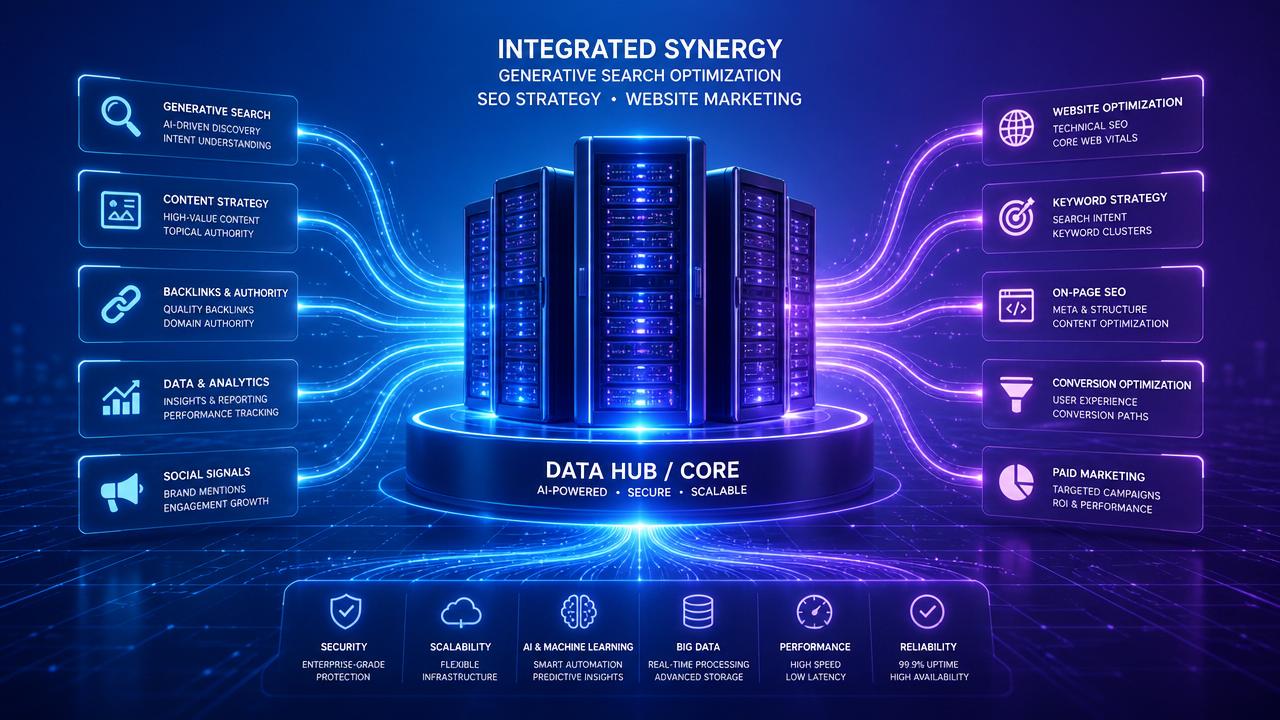
 Will GEO change its SEO strategy?GEO is shifting the focus of SEO strategies, moving from keyword ranking to trusted references and intelligent recommendations in generative search. This article analyzes the relationship between GEO and SEO, key aspects of corporate website optimization, and integrated website marketing implementation methods to help businesses improve brand exposure, inquiry conversion, and digital customer acquisition efficiency.
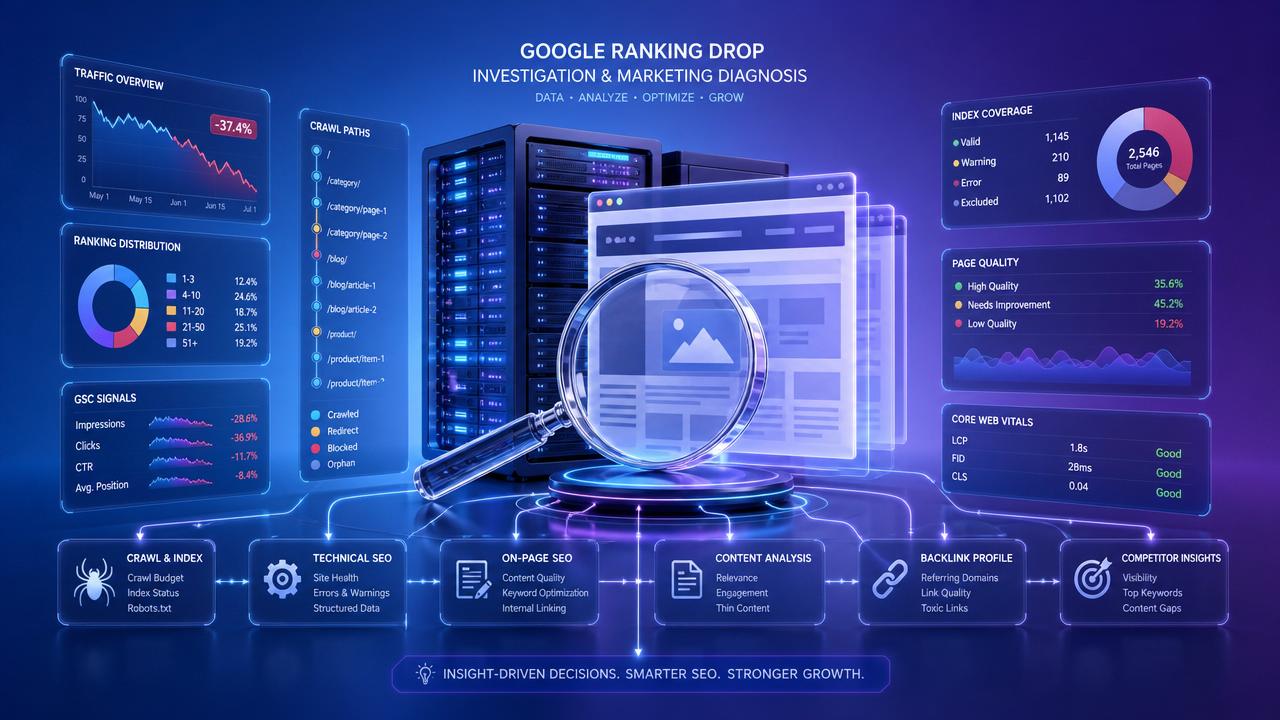
 What should I check first if my Google ranking drops?Don't rush to redesign your website if your Google rankings are declining. First, check your indexing, crawling, page quality, backlinks, and competition changes. This article provides a checklist-based diagnostic method and an integrated marketing repair strategy to help your website quickly stop the damage and restore organic traffic and inquiry conversions.
 In inquiry-driven foreign trade website design, the absence of a form submission success page leads to lead lossMissing a form submission success page on your inquiry-driven foreign trade website? 37% of high-value leads are quietly slipping away! Diagnose and complete the conversion loop now to improve 48-hour response rate and ad ROAS.
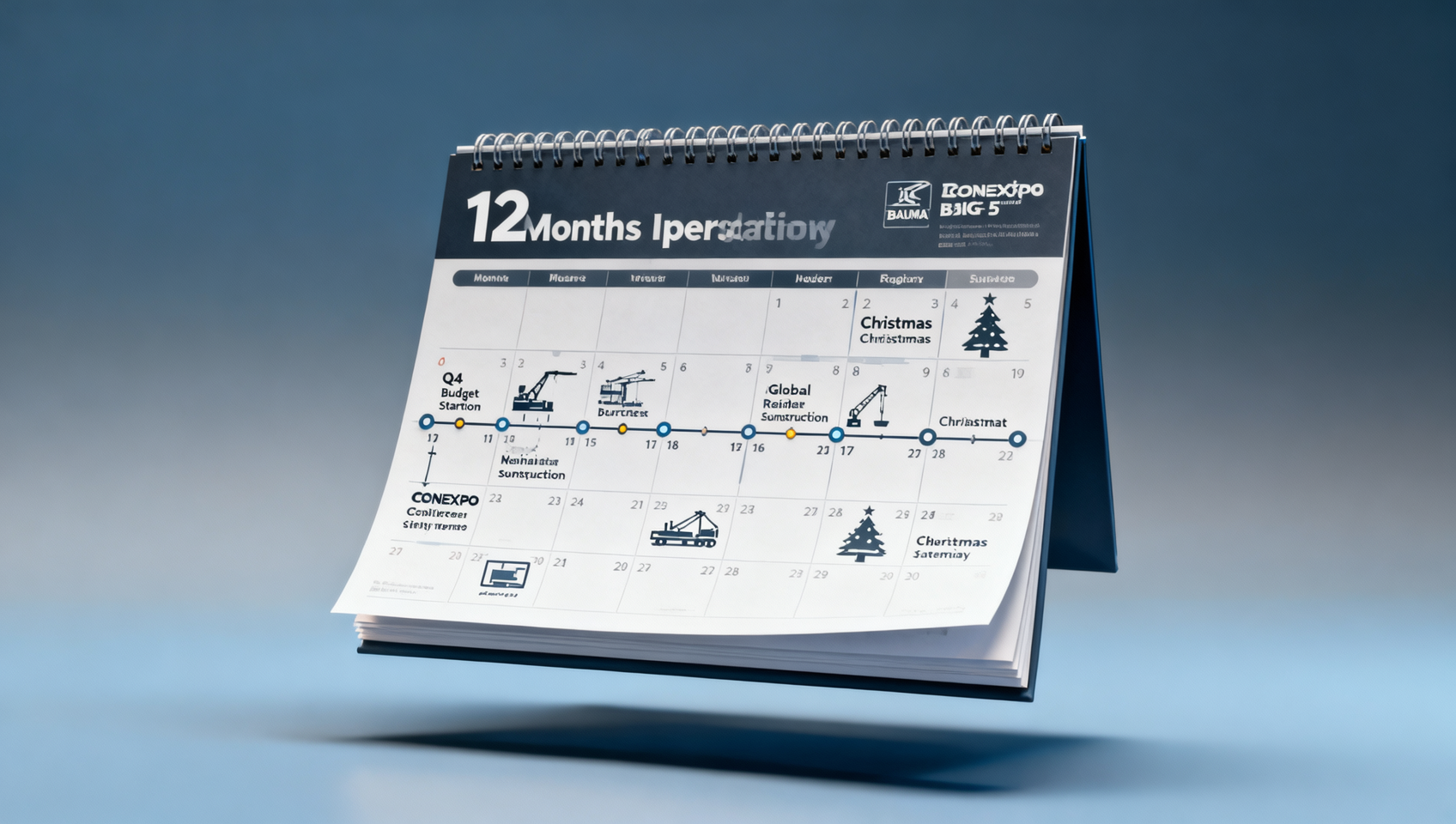
 How should an overseas social media posting calendar be arranged? Create a 12-month execution template based on procurement cycles, trade show milestones, and holiday trendsHow should an overseas social media posting calendar be arranged? Closely align with procurement cycles, international trade shows, and holiday trends to get a 12-month actionable template based on the real behavioral milestones of engineering clients!
 AI search content optimization is not about writing more ‘AI’; it is about matching entity intent: the three elements of brand terms + product attributes + application scenariosThe key to AI search content optimization is matching real purchase intent! Master the three elements of ‘brand terms + product attributes + application scenarios’ to help Google/Perplexity capture accurately, improving foreign trade website visibility and high-quality inquiries.
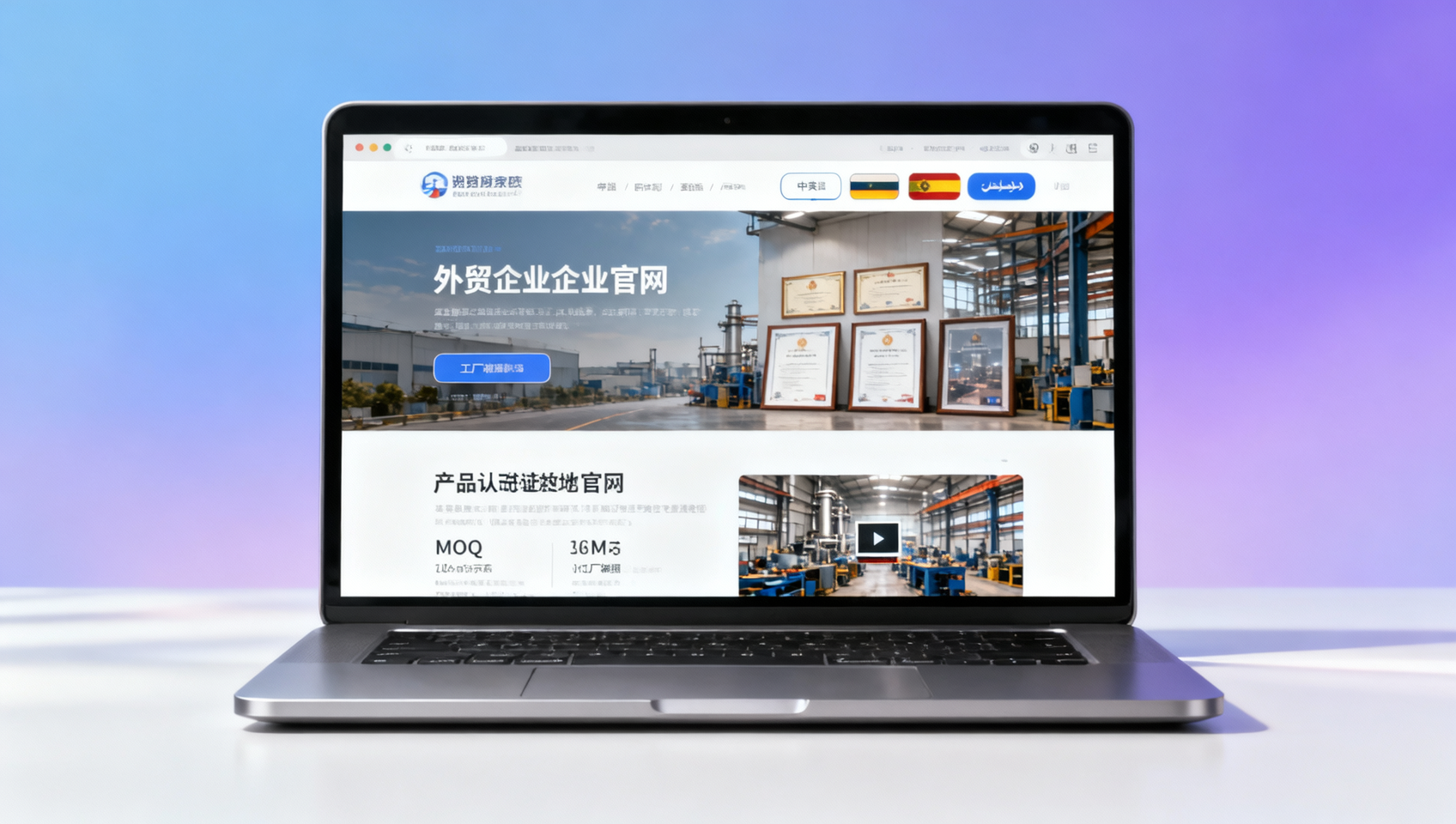
 How Should Foreign Trade Companies Choose an AI Website Building Solution? A Comparison of Applicable Scenarios for SaaS, Private Deployment, and Hybrid ArchitectureHow Should Foreign Trade Companies Choose an AI Website Building Solution? An In-Depth Comparison of Applicable Scenarios for SaaS, Private Deployment, and Hybrid Architecture, combined with 100,000+ real-world go-global data points, to help you precisely match your business stage and technology pace!
 Website data analysis: Which core metrics should be examinedWebsite data analysis: Which core metrics should be examined? From traffic sources, bounce rate, and time on site to conversion rate and technical performance, quickly understand the growth logic behind the data and help companies optimize website and integrated marketing service lead generation results.
 Why won’t an AMP mobile page open or pass validation? What are the common causes?AMP mobile pages not opening or failing validation are not caused by the server alone. They may also involve code standards, cache, plugin scripts, and resource loading. This article helps you quickly identify the root cause and improve mobile indexing, page presentation, and marketing conversion results.